Prices
Walk around any exhibition, and you’ll see the same pattern. Visitors collect handfuls of freebies, carry them around for a few hours, and by the end of the day, many of those items are either left behind or thrown away.
For small businesses and startups, that’s a problem. When budgets are tight, every pound needs to work harder. Spending money on giveaways that don’t get used isn’t just ineffective, it’s a wasted opportunity. The issue isn’t giveaways themselves, it’s how they’re chosen. Too often, items are selected based on cost or quantity rather than whether they’ll actually be useful after the event.
A better approach is to think less about giving something away and more about giving something that fits into someone’s everyday life. If an item gets used regularly, your brand stays visible without any extra effort.
Before choosing any giveaway item, it helps to understand why some are kept while others are quickly forgotten.
Usefulness is the biggest factor. If something serves a purpose in day to day life, it’s far more likely to stick around. Items that solve a small problem or add convenience tend to outperform anything purely decorative. Longevity matters too. A giveaway that lasts weeks or months gives your brand far more exposure than something used once and discarded.
Portability also plays a role. Visitors are already carrying materials, so anything bulky or awkward is less likely to make it home. Smaller or immediately useful items tend to perform better. Finally, there’s how the item feels. If it looks overly promotional, people are less inclined to keep it. Subtle branding makes a noticeable difference.
For smaller businesses, the takeaway is simple. Fewer, more useful items will always outperform large volumes of forgettable ones.
One of the most reliable ways to choose a giveaway that gets kept is to focus on items that already fit into everyday routines.
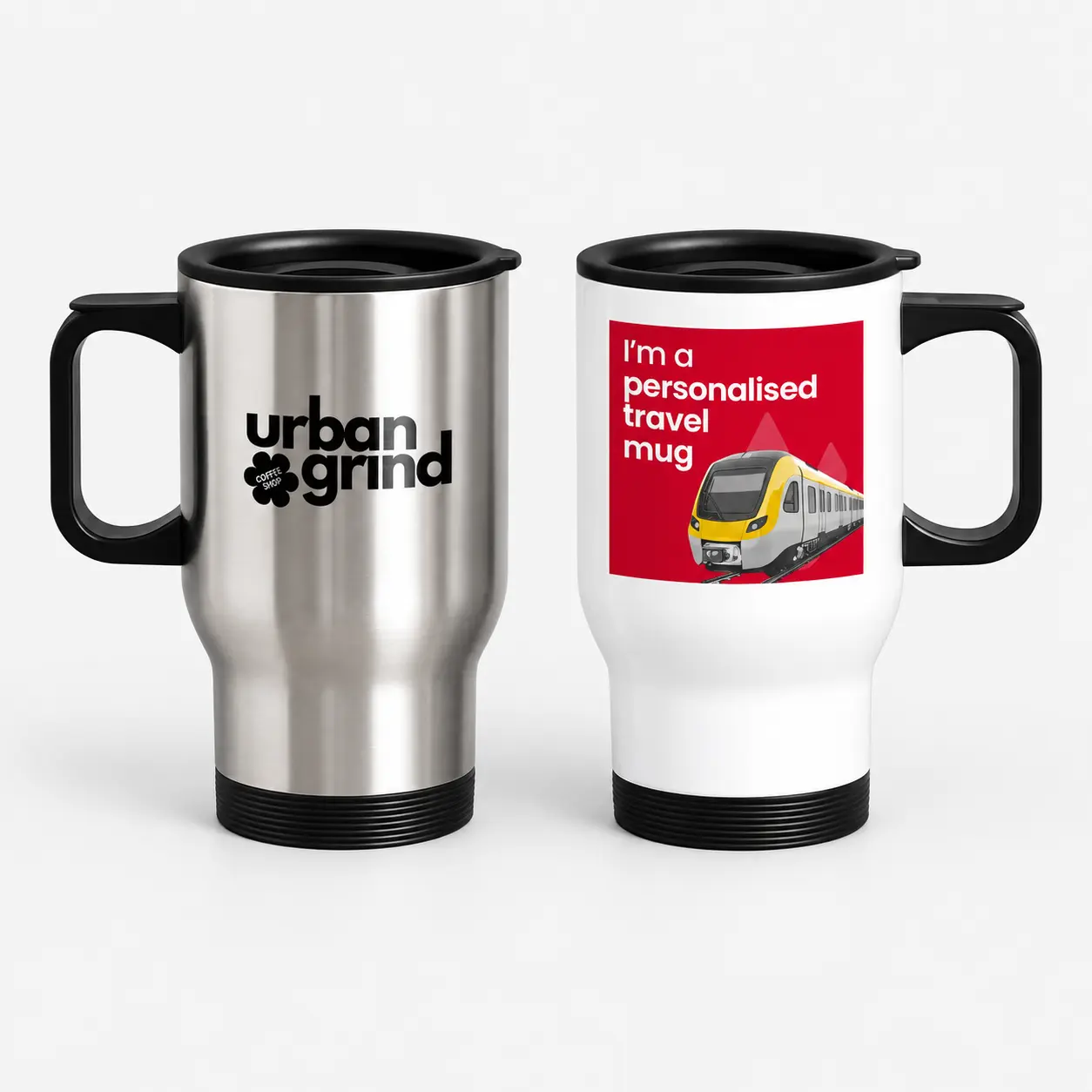
Drinks related items are a strong example. Coffee mugs and travel mugs are used daily, whether at a desk or on a commute. Because they’re part of an existing habit, they tend to stay in use far longer than novelty items.
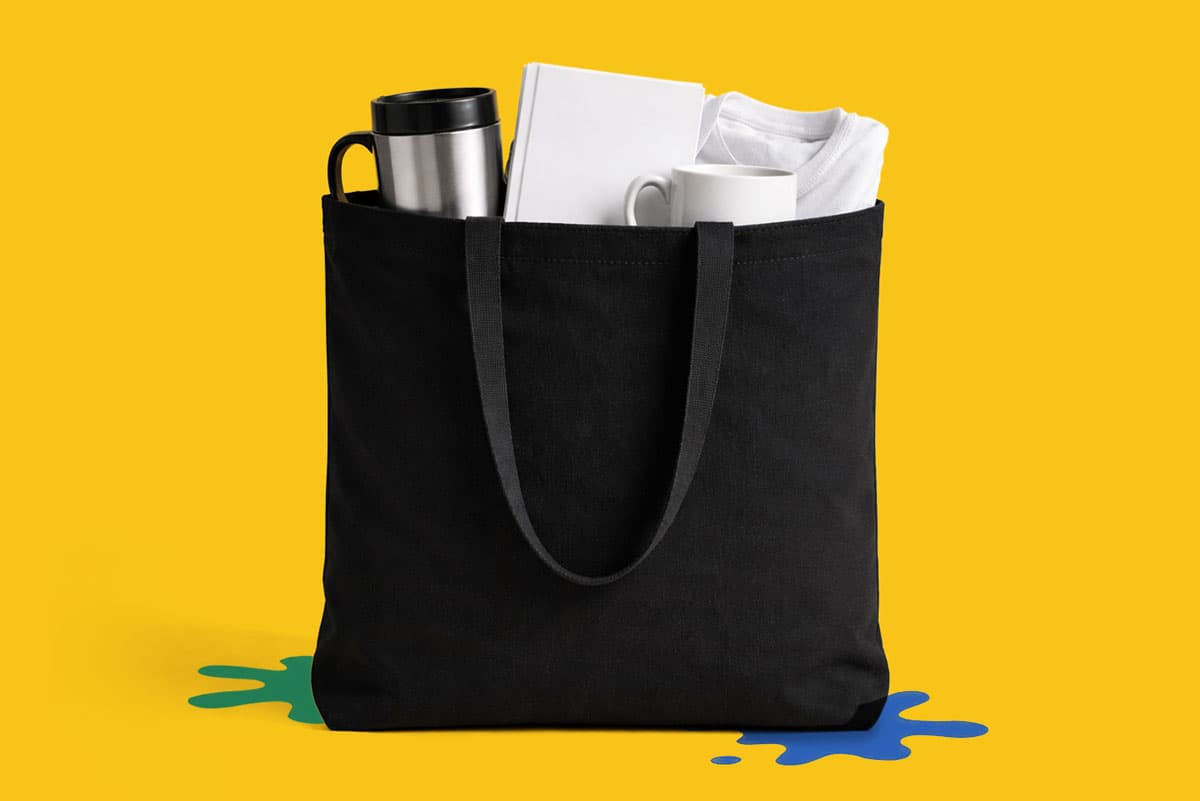
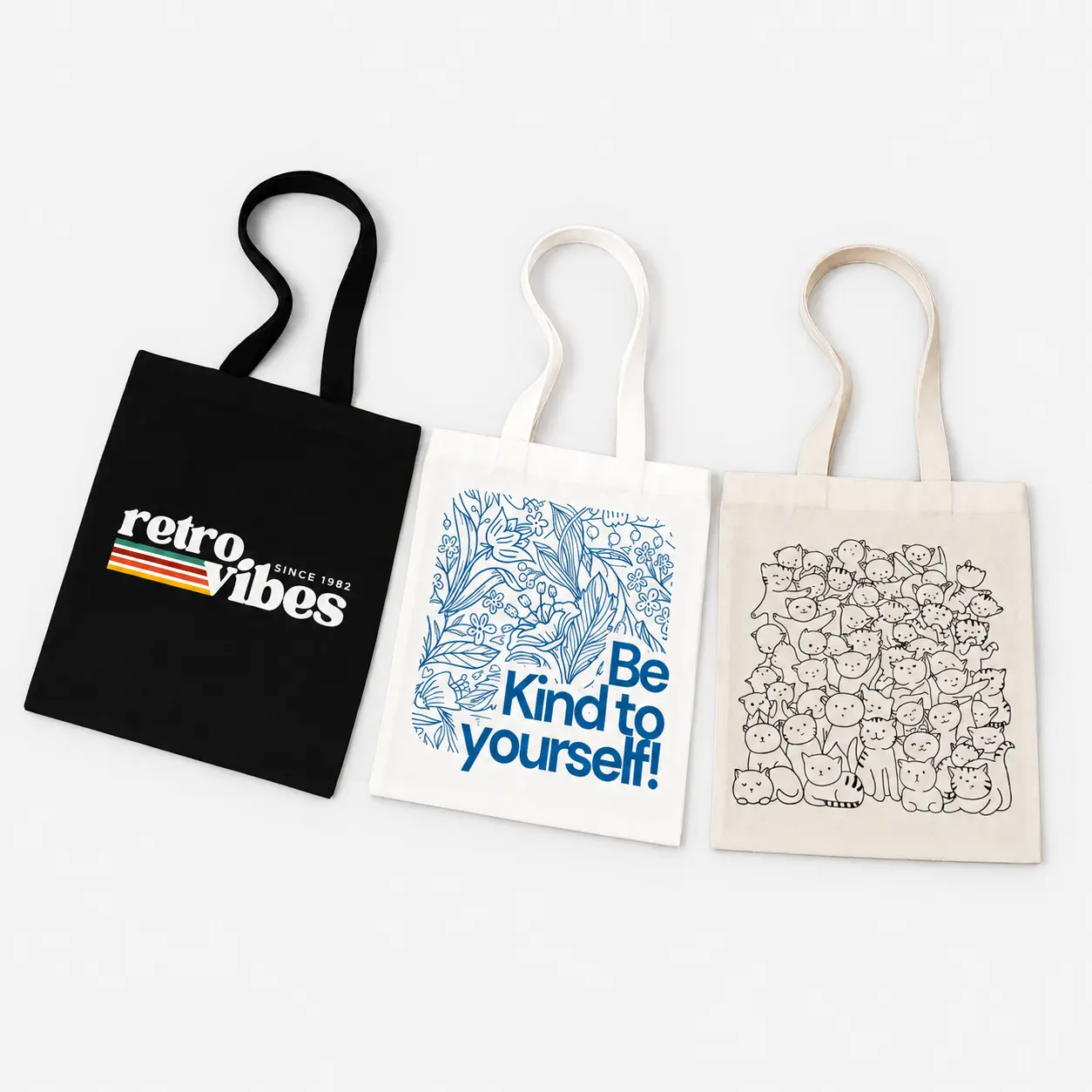
Tote bags work in a similar way. They’re useful during the event itself, but continue to be used afterwards for shopping, work or general day to day tasks. A simple, well designed tote is far more likely to be reused than something overly branded.
Desk based items can also offer long term value. Mouse mats and coasters tend to stay in place once they’re being used, which means your branding remains visible without needing to compete for attention.
The common thread is consistency of use. These are items people don’t have to think about, which is exactly why they work.
Not every effective giveaway needs to be high value. Smaller items can still perform well, as long as they serve a clear purpose or have some meaning.
Keyrings are a good example. They’re simple, practical and used every day. Once attached to keys, they tend to stay there, giving your brand ongoing visibility without any extra effort.
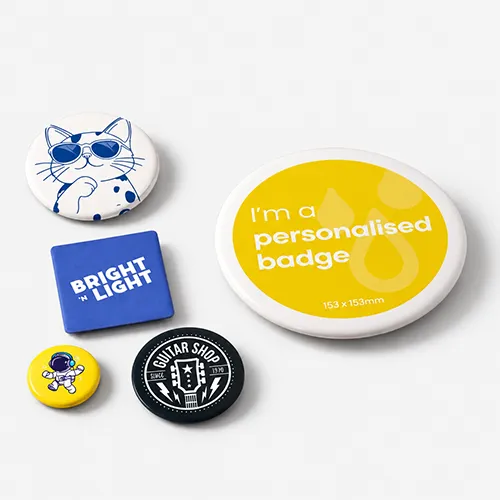
Badges can also work, but they rely more on personality. A generic branded badge is unlikely to be kept, but something with humour, identity or a message people connect with has a much better chance.
With smaller items, there’s less room for error. If they don’t have a clear function or appeal, they’re easy to discard. But when chosen well, they can be one of the most cost effective options available.
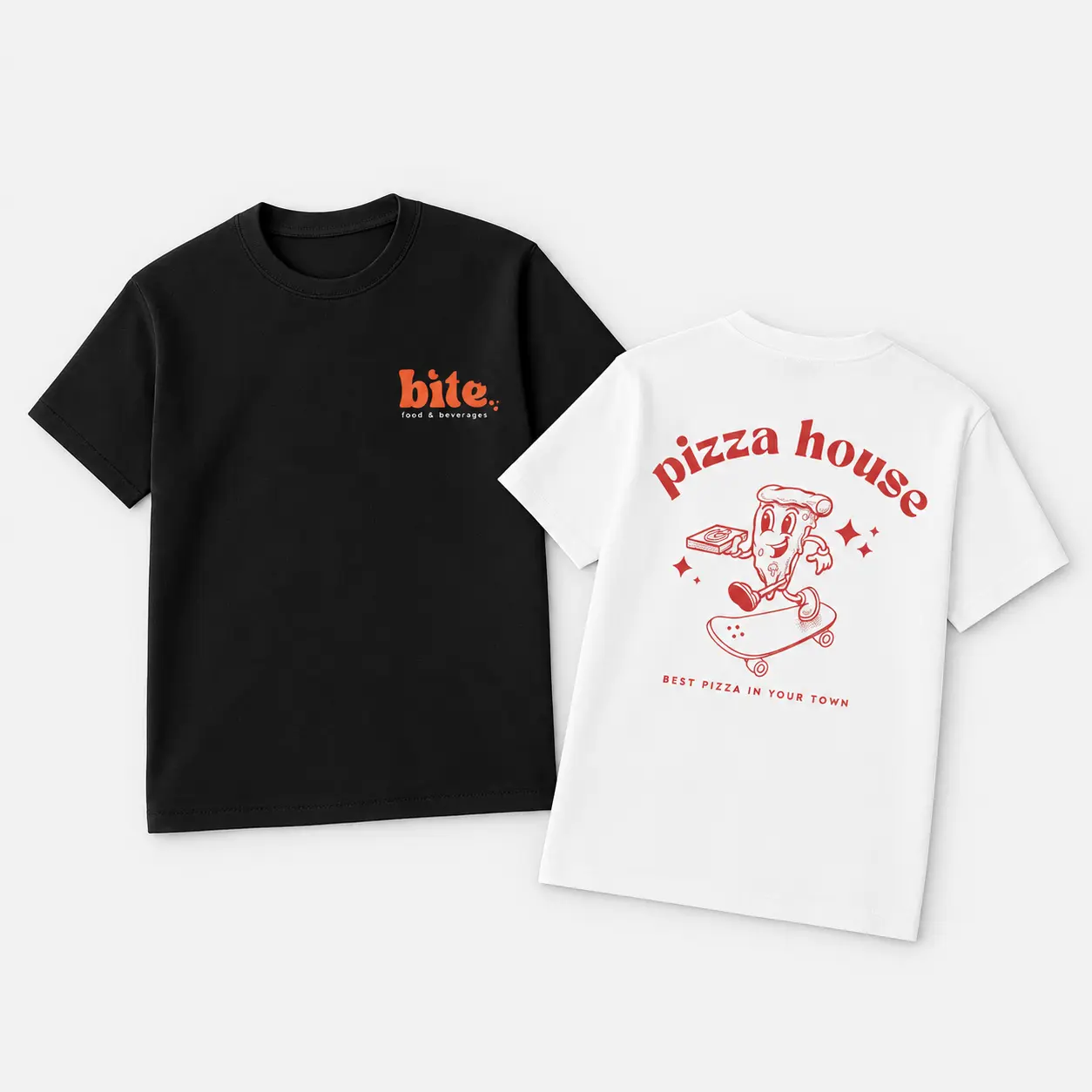
Clothing can be highly effective, but only when it’s done right. T-shirts and hoodies are far more likely to be kept if they feel like something someone would choose to wear anyway. If the design is too heavily branded, it quickly becomes forgettable.
Subtle, clean designs tend to perform best. In many cases, the branding should feel secondary to the overall look. If it feels like everyday clothing rather than promotional material, it’s far more likely to stay in rotation.
It also helps to be selective. Rather than giving clothing to everyone, it often works better as a more considered giveaway for engaged visitors. This increases perceived value and makes it more likely the item will be used.
Some of the most effective giveaways are the ones people start using straight away.
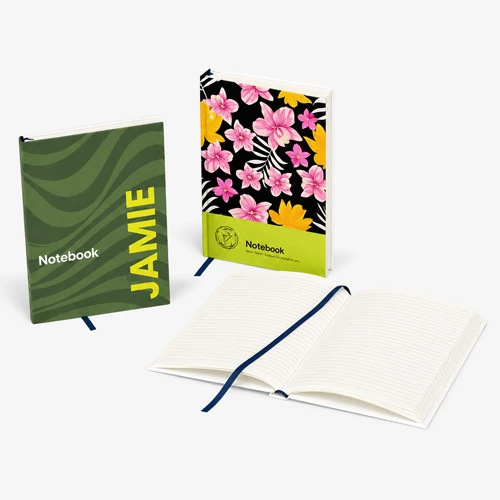
Notebooks are a strong example. Visitors are already taking notes, tracking conversations or collecting ideas during an event. Providing something that supports that behaviour makes it immediately useful. Once an item is in use, it’s far more likely to be kept. It becomes part of someone’s workflow rather than something separate from it.
There’s also value in thinking about how items work together. Pairing simple, practical products can increase their usefulness and make them more likely to stick around. For businesses with limited budgets, this approach ensures every item has a clear role and purpose.
The item itself matters, but how it’s presented can make just as much difference. Giving something context increases its perceived value. A simple explanation of how it can be used helps people see its relevance straight away.
It also helps when the item connects naturally to your business. When there’s a clear link, it feels more intentional and less generic. Distribution matters too. Leaving items out for anyone to take often reduces their value. Giving them out during conversations makes them feel more considered and more worth keeping.
Small details like presentation and timing can significantly improve how your giveaways are received.
When budgets are limited, it’s tempting to focus on volume. In reality, this often leads to lower impact.
Large quantities of low value items tend to be taken without much thought and discarded just as quickly. While it may increase short term reach, it rarely leads to meaningful engagement. Focusing on fewer, more useful items allows you to be more selective and intentional. This encourages better conversations and improves how your brand is perceived.
It also reduces waste and improves long term value. Items that stay in use continue to work for you long after the event.
Choosing items with no clear use is one of the most common mistakes. If someone can’t see how they’ll use it, it’s unlikely to be kept. Overbranding can also reduce retention. When something feels like advertising, people are less inclined to keep it.
Giving everything away too freely lowers perceived value. A more selective approach tends to lead to better results. It’s also important to consider your audience. The most effective giveaways are the ones that match how your audience lives and works.
The most effective exhibition giveaways aren’t the ones handed out in the highest numbers; they’re the ones that stay in use.
For small businesses and startups, that’s where real value lies. A well chosen item that fits into someone’s routine can keep your brand visible for weeks or months. Focusing on usefulness, simplicity and relevance will always deliver stronger results than trying to do too much.
When budgets are tight, the goal isn’t to give more away. It’s to give something better.
Posted on April 8, 2026 by WTTB
Related topics: