Prices
You’ve got a cause worth supporting and an event to bring people together. Now it’s time to help people hear about it, understand why it matters and feel welcome to join in.
Promoting a charity event can feel like another big job when you’re already organising everything else. A clear plan can make it more manageable, helping you decide where to share your message, who could help spread the word and when to send a reminder.
From posters in local shops to social posts your supporters can share, we’ll walk you through practical ways to promote your event before, during and after the day.
Before you start designing posters or writing social posts, bring the essential information together in one place. This gives everyone helping with promotion the same details to work from.
Explain what’s happening, who’s welcome and what the event will support. Give people enough information to decide whether they can attend, including any booking requirements or costs.
For example, “Join our community quiz night to help fund our weekly lunch club” explains both the activity and its purpose. You can then add the practical details beneath it.
Your action points:
If some arrangements are still being finalised, wait before putting those details into print. It’s much easier to correct a draft than replace a batch of posters.
Choose a main webpage or booking page for your event. It should contain the full details and a clear next step, whether that’s reserving a ticket, registering a team or finding out how to attend.
Use the same destination across your posters, flyers, social posts and partner messages. This makes it easier to keep the information consistent and gives you one main place to update if plans change.
Check the page on a phone before sharing it. Can someone find the date, location and booking option without searching? If you’re using a social media event page, check what people can see without signing in.
A QR code on your print can link directly to the event page. Include a short web address alongside it, and test the code on a printed proof at the size you intend to use.
If your audience may prefer to book or ask questions by phone, include a suitable contact number too.
Think about who you’d like to attend and where they already spend time. For a family fundraiser, that might include community centres, libraries and local activity groups. For a charity quiz, nearby cafés, workplaces and clubs could be useful places to approach.
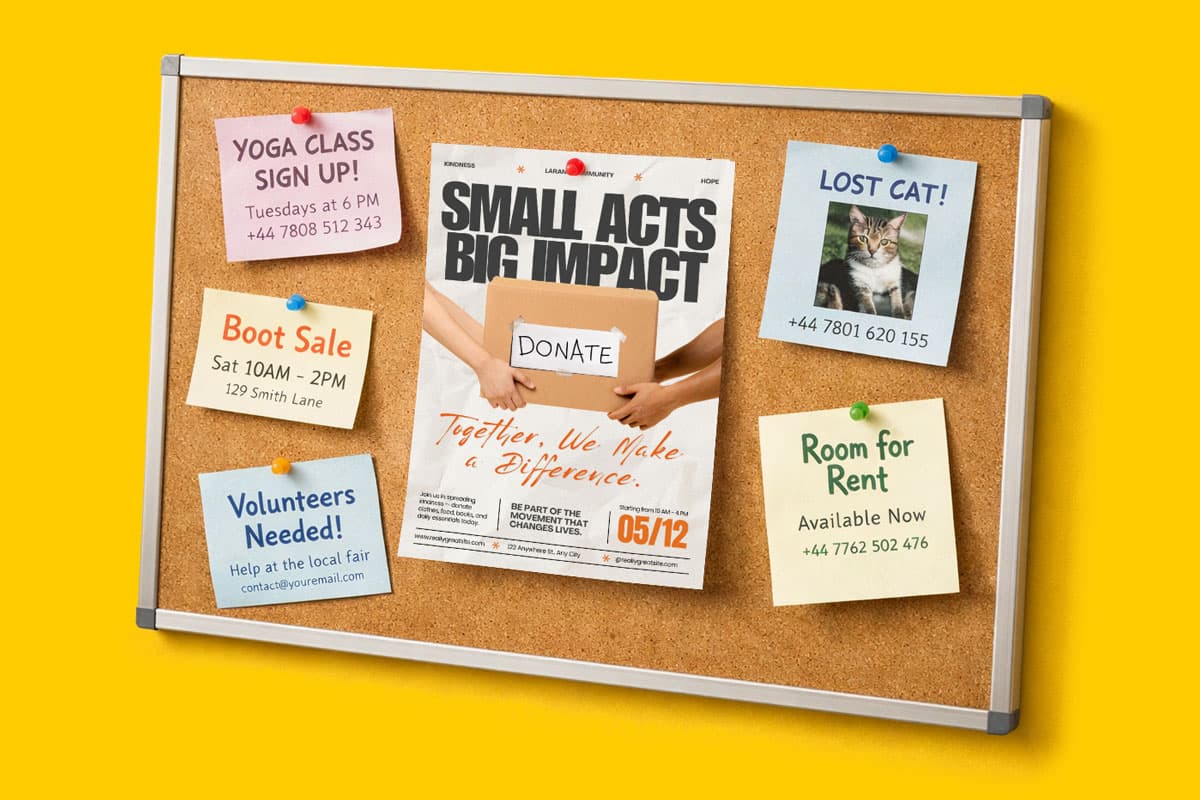
Ask each location whether they’ll display a poster or keep a small supply of flyers. Check the space available before ordering, as a crowded noticeboard may only accept smaller posters.
Use posters to introduce the event and show the key details at a glance. Flyers and leaflets give people something to take away, share with a friend or keep as a reminder.
Your action points:
If you’re still deciding what to order, our guide to choosing print products for a charity campaign explains the options, materials and quantities in more detail.
You don’t need to be active on every platform. Start with the accounts your charity already uses and the local groups where event posts are welcome.
Rather than repeating the same announcement, give people different reasons to take an interest. Introduce the activity, explain the cause, show preparations and answer questions about attending.
For a charity quiz, one post could introduce the host, another could explain how to enter a team, and a later reminder could confirm the booking deadline. Each post has a purpose while pointing people towards the same event page.
Useful things to share include:
Keep the essential details in the post text as well as the image. Add descriptive alternative text to images where the platform allows it, and captions to videos with speech.
Make time to check comments and messages too. If several people ask the same question, add the answer to your event page and future posts.
Local businesses, clubs and community organisations may be happy to share your event, especially when there’s a clear connection to the people they serve.
Give them a specific, manageable request. Asking a café to display one poster or a club to include a short paragraph in its newsletter is easier to respond to than a general request to “help promote our event”.
Prepare a small pack they can use straight away. Include a short event description, a suitable image, the booking link and a contact name. This saves them having to write their own announcement or search for missing details.
You could also approach community newsletters, local event listings and radio stations. Check their submission requirements and deadlines before sending anything.
Your action points:
A simple schedule helps you spread the work and avoid leaving all your promotion until the final week.
The right lead time depends on the event. A small drop in fundraiser may need less notice than a ticketed dinner or sponsored challenge that asks people to plan ahead.
Use these stages as a starting point and adjust them to your booking deadlines, print delivery dates and partner schedules.
Publish the event page, share your first announcement and contact local partners. Arrange print early enough for production, delivery and distribution, then get posters and flyers into the agreed locations.
If you’re submitting details to a printed newsletter or magazine, check its deadline first. It may need information well before your own promotion begins.
Share more about the activities and the cause. Introduce the people involved, answer common questions and remind supporters how to book.
Check which partners have shared the event and whether your printed materials are still on display. This is also a useful point to review bookings and see whether people need clearer information before committing.
Focus on practical reminders. Confirm the time, location, travel information and anything attendees should bring.
Be clear about whether booking is still available or people can arrive on the day. Only mention limited spaces or deadlines when they’re accurate.
Share a final welcome message and make sure someone can respond to questions. After the event, thank everyone involved and provide an update on the fundraising total once it’s confirmed.
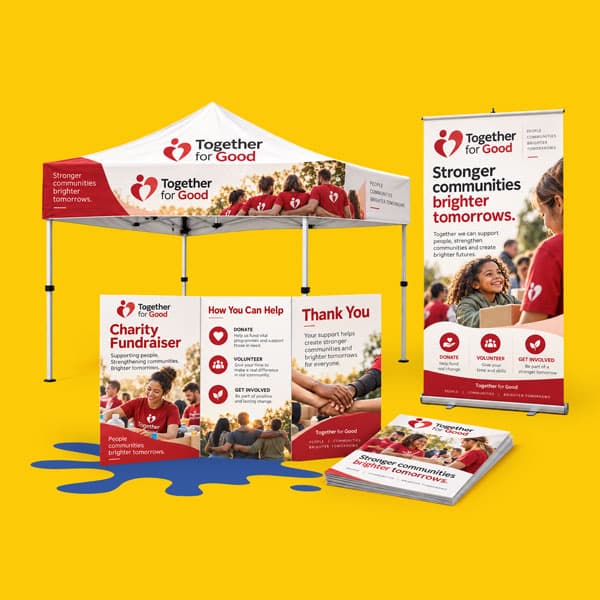
Your promotion has told people what to expect. Help them recognise the event when they arrive by using the same name, colours and imagery at the venue.
Place banners and signs where they’ll help people find the entrance, registration desk or activities. Brief volunteers on the main details so they can answer questions and direct visitors.
If you’re sharing live updates, make them useful to someone deciding whether to come along. Confirm what’s happening, where to enter and whether there’s still time to take part.
Agree who’ll take photographs and check that the images are appropriate to share, particularly where children or people using your charity’s services are involved.
After the event, let people know what their support helped achieve. Thank attendees, volunteers, local partners and anyone who helped spread the word.
If the fundraising total is still being counted, say so and share a confirmed figure later. Where possible, explain what the funds will help pay for, using information your charity can substantiate.
Then take a little time to review the promotion while it’s fresh in everyone’s mind.
Your action points:
These checks won’t capture every influence on someone’s decision to attend, but they can help you make more informed choices next time. Social likes and shares can be useful signals of interest, while bookings and attendance show whether people took part.
You don’t have to do everything at once. Start with clear event information, choose a few relevant places to share it and give the people helping you what they need.
A manageable plan might include posters in agreed local venues, useful social updates and a short announcement for community partners. Add reminders as the date approaches, then close the loop by showing supporters what they helped achieve.
Visit our charity printing hub for products and advice to support your plans. Registered UK charities can also apply to our Charity Partners Programme. Once approved, you’ll receive lifetime Silver Tier pricing, with up to 15% off eligible products and no minimum spend to retain it.
Posted on March 18, 2026 by Miller Lane-Williams
Related topics:
£16.41
£17.48
£21.76





£17.71
£16.40