Prices
How do I choose the right print material for my project?
The best print material depends on how your product will be used, the finish you want to achieve and the environment it will be displayed in. Consider factors such as durability, texture, print quality, whether the material needs to be writable or waterproof, and whether the product is intended for indoor or outdoor use. If you're unsure, ordering a sample pack can help you compare finishes and materials before placing an order.
What is the difference between silk and gloss paper?
Gloss paper has a shinier reflective surface designed to maximise colour vibrancy and contrast, making it ideal for photography and bold promotional print. Silk paper has a smoother satin finish with reduced glare, making it easier to read while still delivering strong colour quality.
What paper feels the most premium?
Uncoated, textured and specialist paper stocks are often chosen for premium print because they provide a more tactile and luxurious feel. Soft-touch laminated finishes are also popular for high-end Luxe Business Cards, Brochures and Invitations.
Which print material is best for business cards?
For professional business cards, silk and uncoated stocks are among the most popular choices. Silk offers a clean professional finish with vibrant colours, while uncoated papers create a more natural premium feel. Laminated finishes can also improve durability and add a more luxurious appearance.
What material is best for outdoor banners?
PVC banner material is ideal for most outdoor banners because it is durable, waterproof and designed to withstand external conditions. Mesh banner material is often recommended for windy locations because the perforated surface allows air to pass through more easily.
Can I use the same material for indoor and outdoor applications?
Some materials are suitable for both indoor and outdoor use, while others are designed specifically for one environment. Indoor materials typically focus on print quality and finish, whereas outdoor materials are chosen for durability, weather resistance and longevity.
How do print materials affect colour and image quality?
Different materials absorb and reflect ink differently, which can affect the appearance of colours, sharpness and contrast. Coated papers such as silk and gloss generally produce more vibrant results, while uncoated materials create a softer and more natural appearance.
How does sustainability impact print material choices?
Many businesses now choose recycled, recyclable and responsibly sourced print materials to reduce environmental impact. Eco-friendly print materials can provide excellent print quality while supporting more sustainable printing practices.
Can I order print material samples?
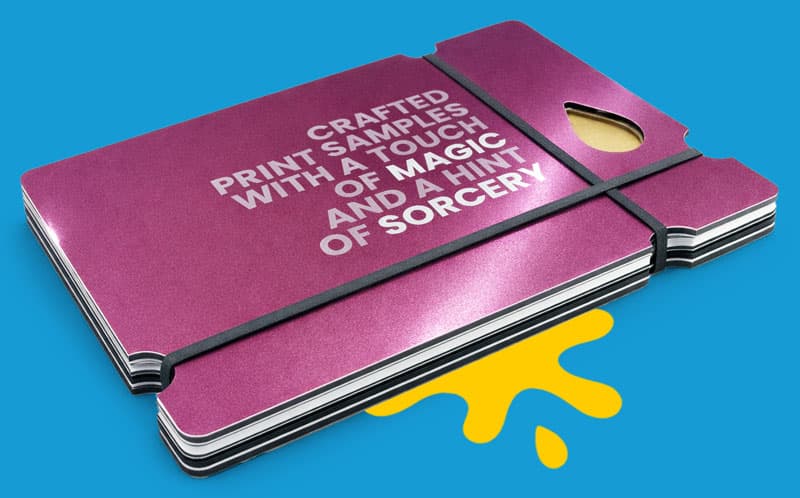
Yes. WTTB offers print sample packs so you can compare popular paper stocks, finishes and materials before placing an order. Sample packs are a great way to explore textures, finishes and print quality in real life before choosing the right option for your project.
I’m seeing a lot of technical terms, where can I find out what they mean?
If you run into any unfamiliar terms while browsing our materials, head over to our Print Dictionary. It’s the best place to get clear, detailed explanations of the words and phrases we use, helping you make the right choice for your project.
Not sure which material is right for your project?
Our print sample packs let you compare popular paper stocks, finishes and print materials* side-by-side, helping you choose with confidence before placing an order. Feel the difference between silk, gloss and uncoated papers, compare premium finishes and explore the quality of WTTB print materials in real life.
*Due to the large range of specialist materials available, not every stock featured on this page is included within the sample pack.
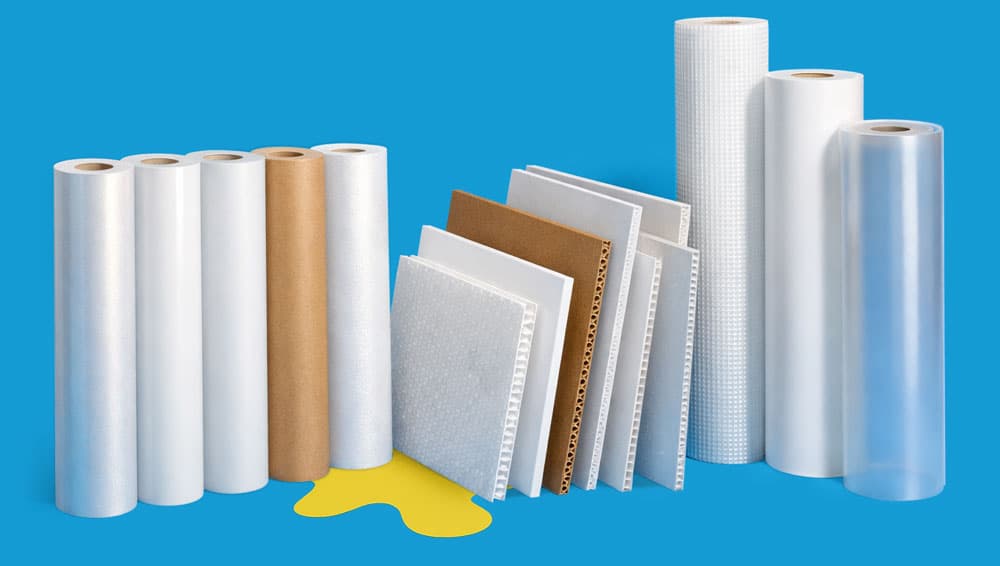
Compare common print materials side by side to see which option is the better choice for your project. Use this guide to weigh up finish, durability, cost, sustainability and where each material performs best.
Material comparison | Material option | Best choice for | Trade off |
|---|---|---|---|
Silk vs Gloss | Silk | A smooth, premium finish for brochures, menus, flyers and printed literature | Less shine than gloss |
Silk vs Gloss | Gloss | Bright colours, image led artwork and promotional print with more visual impact | Can show glare and fingerprints more easily |
Foamex vs Dibond | Foamex | Lightweight rigid signs, indoor displays, directional boards and short to medium term use | Less durable than Dibond outdoors |
Foamex vs Dibond | Dibond | Strong outdoor signage, shop signs and premium long term displays | Usually costs more than Foamex |
PVC vs PVC Free | PVC | Durable banners, outdoor advertising and weather resistant print | Less environmentally friendly than PVC free options |
PVC vs PVC Free | PVC Free | Eco conscious campaigns, retail graphics and event displays | May not suit every heavy duty application |
Correx vs Foamex | Correx | Low cost temporary signage, estate agent boards and event signs | Less premium in appearance than Foamex |
Correx vs Foamex | Foamex | Smoother rigid display boards, indoor signs and branded graphics | Usually costs more than Correx |
Answers to common questions about print materials
Shimmering pearlescent stock designed for luxury print, invitations and premium branding.
Textured premium paper stock with a tactile feel, perfect for luxury stationery and invitations.
Ultra-thick layered card stock with coloured inserts for premium business cards and luxury print.
Durable synthetic print material designed for long-lasting menus, tags and specialist applications.
Fluted polypropylene board designed for temporary signage, estate agents and outdoor promotions.
Versatile display boards for exhibitions, presentations, retail graphics and promotional displays.
Strong yet lightweight display board with excellent rigidity for indoor and outdoor signage.
Eco-friendly rigid board with a lightweight honeycomb core for premium display applications.
Strong, flexible banner material with a smooth laminated face for vibrant large format graphics.
Environmentally conscious banner material offering a more sustainable alternative to PVC.
Versatile adhesive vinyl for windows, signage, retail graphics and promotional displays.
Durable anti-slip floor graphic material designed for indoor directional and promotional signage.
Transparent adhesive vinyl ideal for window graphics, branding and subtle promotional displays.
“Silk stocks tend to be the most versatile option for customers who want professional colour without the glare of gloss.”
“Event planners ordering wedding stationery often prefer uncoated papers because they feel more tactile and premium.”
“For outdoor displays, we usually recommend mesh banners in windy locations because they allow air to pass through the material.”


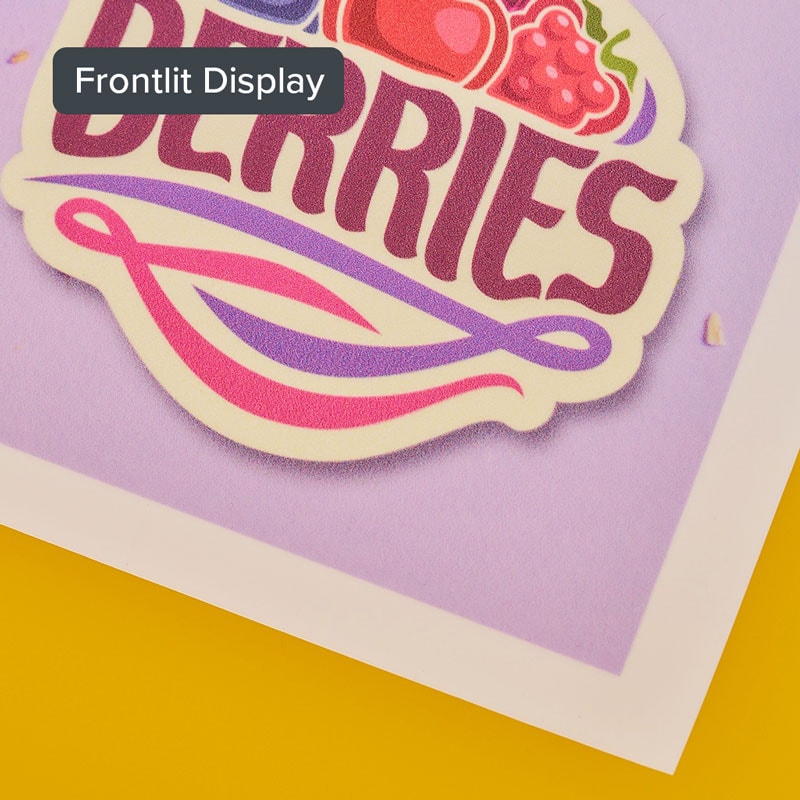







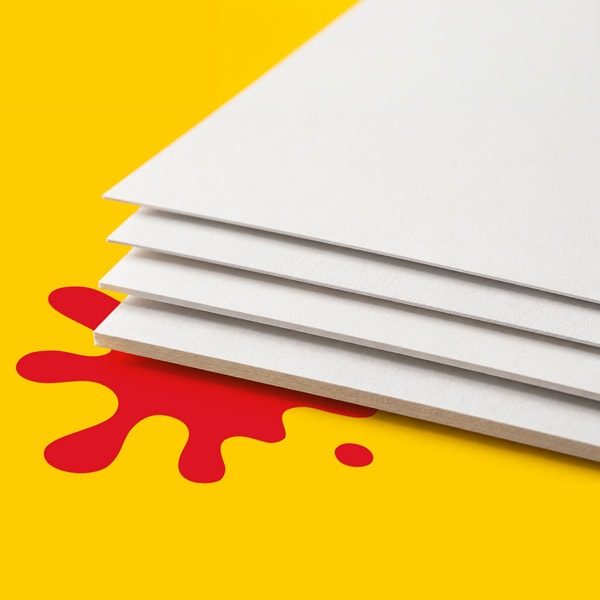
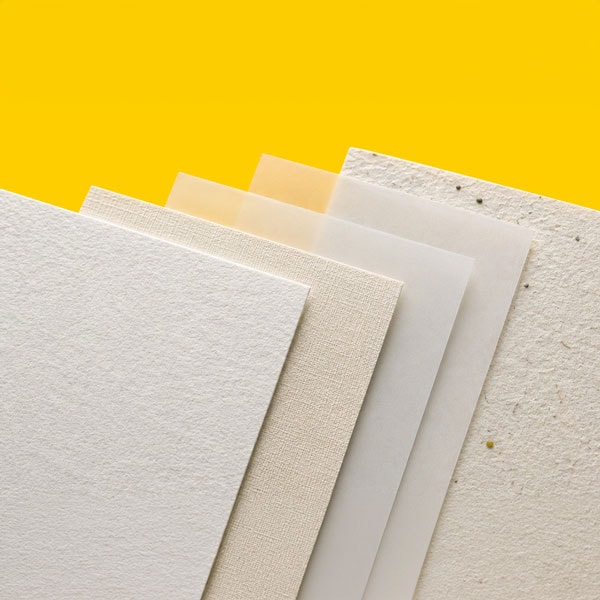
Choosing the right print material can completely change the look, feel and durability of your printed products. Explore premium paper stocks, waterproof materials, rigid signage and eco-friendly options to find the best choice for your project.