Prices
What is uncoated paper best used for?
It suits text heavy and brand led print where readability and a tactile feel matter, such as books, reports, brochures, flyers, and stationery.
Is uncoated paper good for writing?
Yes. The untreated surface has more grip than coated papers, so pens, pencils, stamps, and hand finishing tend to take well with less smudging.
Why do colours look different on uncoated paper?
Uncoated paper absorbs more ink, which softens contrast and makes colours look more natural and slightly muted compared with silk or gloss stocks.
Does uncoated paper smudge easily?
Uncoated paper is generally less prone to smudging than coated stocks because it absorbs ink more effectively. This makes it well suited to writing, stamping, and handling.
Is uncoated paper suitable for double-sided printing?
Yes, uncoated paper works well for double-sided printing. Its absorbent surface helps reduce glare and improves readability, especially for text-heavy documents.
What GSM is uncoated paper available in?
Uncoated paper is available in a range of weights, typically from lighter stocks for inner pages and flyers to heavier weights for covers, postcards, and premium print. The right GSM depends on the type of print and level of durability required.
When should I choose silk or gloss instead of uncoated paper?
Choose silk or gloss if you want stronger colour punch, higher contrast, and a smoother finish, especially for image led designs and photography.
Is uncoated paper recyclable?
Yes, uncoated paper is widely recyclable through standard paper waste streams. It is also biodegradable, making it a practical choice for environmentally conscious print projects.
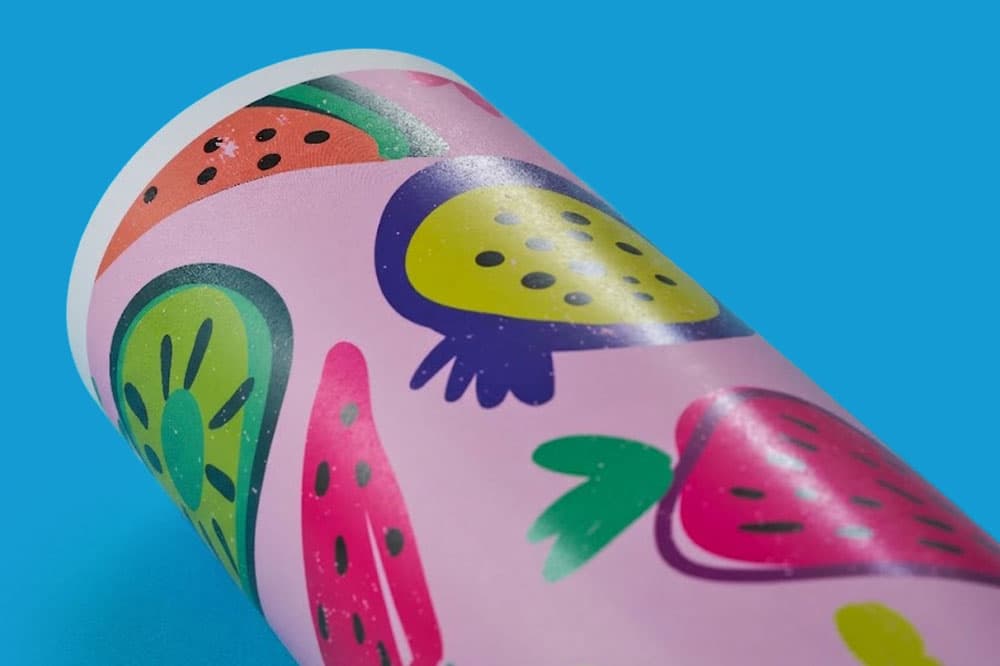
Uncoated paper is a popular paper option made with no surface coating, giving it a flat, modern finish with a soft, natural texture.
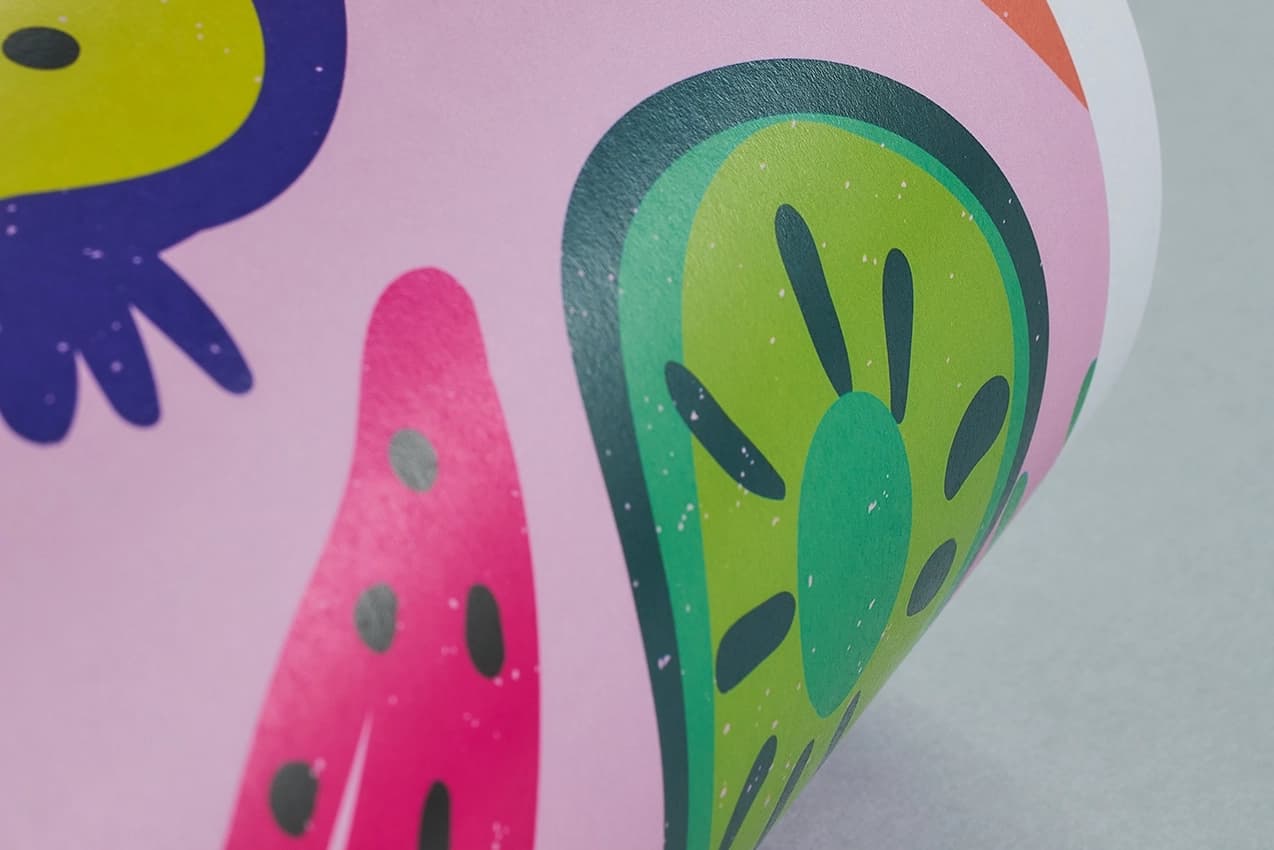
Uncoated paper is paper with no applied surface coating, resulting in a natural matte finish and a soft, tactile feel. It absorbs ink more readily than coated stocks, producing a more muted, organic print appearance. This makes it ideal for projects where readability, writability and a more subtle, premium look are important.
Uncoated paper is made from wood pulp fibres that are formed into sheets without the addition of a coating layer. This open surface structure allows ink and toner to absorb into the paper, supporting strong adhesion, good readability and consistent performance.
Recyclable and responsibly made. Uncoated paper is fully recyclable and biodegradable, and is produced using an elemental chlorine free bleaching process.
Responsibly sourced fibre. Produced using paper sourced from renewable materials through suppliers committed to responsible forestry and environmental management practices.
Certified and lower impact options. Carbon capture schemes may be available on selected grades, helping to mitigate CO2 emissions and support environmental initiatives.
Uncoated paper is an excellent choice where texture, readability, and a natural finish are more important than high-gloss colour intensity.
Provides a soft, glare-free look
Perfect for pens, pencils and stamps
Inks soak in for depth.
Premium, authentic quality for books and brochures
If you want a similar natural uncoated finish with a more eco focused choice, recycled paper is a strong alternative. For a more premium uncoated look with added texture, Tintoretto Gesso or Tintoretto Avorio are good options. If you want stronger colour contrast or a smoother finish, silk or gloss paper may be more suitable.
Need some assistance? Browse our FAQs to find answers to common questions about uncoated material.
Browse the print materials hub to view more paper, board, and vinyl options.