Prices
Etsy’s become one of the best known platforms for independent creators, makers and small businesses. Whether you’re starting an entirely new business on Etsy or using it as another way to grow your brand, the opportunity’s still there for sellers who understand what makes buyers click, trust and come back.
The marketplace is busy, but it’s also full of intent. Etsy reports more than 100 million items for sale, around 5.6 million active sellers and around 86.5 million active buyers. That means sellers aren’t just competing for attention. They’re placing their products in front of people who are already looking for something creative, personal, original or difficult to find elsewhere.
Success on Etsy doesn’t usually come from listing a few products and hoping for the best. The strongest shops tend to have a clear niche, professional product photography, well written listings, strong customer service and a product range that gives shoppers a reason to browse.
Here are some of the ways successful Etsy sellers have built their shops and what newer sellers can learn from them.
Alicia Shaffer went from running a small women’s clothing boutique in California to becoming one of Etsy’s most talked about sellers. After creating hair accessories for her shop, she realised there was demand for the products and opened an Etsy store. Her business, Three Bird Nest, later grew into a large ecommerce brand with a wider product range that included scarves, leg warmers and other accessories.
Finding a gap in the market was key to Alicia’s success, but so was consistency. Her products had a recognisable look, her photography supported the brand and her shop gave customers a reason to return. Alicia has spoken about the value of quality product photography, brand image, customer recommendations and a loyal fan base. She also sums up her approach with a simple line: “work hard and never give up”.
While not every Etsy seller’s aiming for the same scale, the lesson still applies. A successful shop is rarely built from one product upload alone. It grows when the seller understands their audience, keeps improving their range and gives customers a clear reason to buy.
For new sellers, that doesn’t mean trying to copy someone else’s product range. It means paying attention to what makes your work different. That could be your illustration style, your sense of humour, your approach to personalisation, your audience or the way your products are presented.
A good Etsy product should be easy for customers to understand, easy to search for and easy to imagine buying as a gift, keepsake or treat.
It can be tempting to list anything you can make, especially when you’re testing ideas. However, many successful sellers grow faster when their shop has a clear focus.
One of the top UK Etsy sellers, Nicole de Bruin, grew her charm shop by building around a specific product idea. What started as an addition to her card business developed into a wider range of charm based products, giving shoppers a clear reason to understand and remember the shop.
A niche doesn’t have to be tiny. It just needs to be clear enough for customers to know what you offer.
A shop that sells pet memorial prints, personalised nursery artwork or wedding table stationery is easier to understand than a shop that sells prints, candles, mugs, jewellery, bookmarks and party games with no clear connection between them.
Etsy seller and business coach Kate Hayes has also spoken about the value of niching down, saying that “niching down will help” with conversion rates. In other words, a focused shop can often feel more specialist, more professional and easier for buyers to trust.
A strong niche can help with shop identity, listing keywords, product photography, repeat customers, product range planning, social content and gift focused searches.
That doesn’t mean you can never expand. It means your expansion should feel connected. A design that starts as an art print could become a greeting card, postcard, sticker, badge, notebook, mug or wrapping paper design. The range grows, but the style and audience stay consistent.
For sellers looking to turn one design into several printed products, our Marketplace Print Hub is a useful place to explore product ideas that could support an Etsy shop.
On Etsy, your brand’s more than your logo. It’s the feeling someone gets when they see your listings, read your descriptions, open your packaging or visit your shop page.
A recognisable brand helps customers understand what you sell and why they should buy from you rather than another seller. It also makes your shop more memorable when people are comparing several similar products.
Kate Hayes has also highlighted the importance of looking professional, saying that “you won’t sell” if your shop doesn’t give buyers confidence. That’s particularly important on Etsy, where customers are often comparing similar products in a busy search result.
Start with the basics. Use consistent colours, lighting and image style. Write product titles in a similar format. Keep your tone of voice consistent. Make your shop banner and icon feel connected to your products. Use packaging that suits your product and price point. Add a clear About section that explains who you are and what you make.
Customers don’t need a long brand story before they buy, but they do need reassurance. They want to know the product’s real, the seller’s reliable and the item will look as good when it arrives as it does online.
That’s where presentation matters. Professional branding doesn’t have to feel corporate. For Etsy, it often works best when it feels polished, personal and trustworthy.
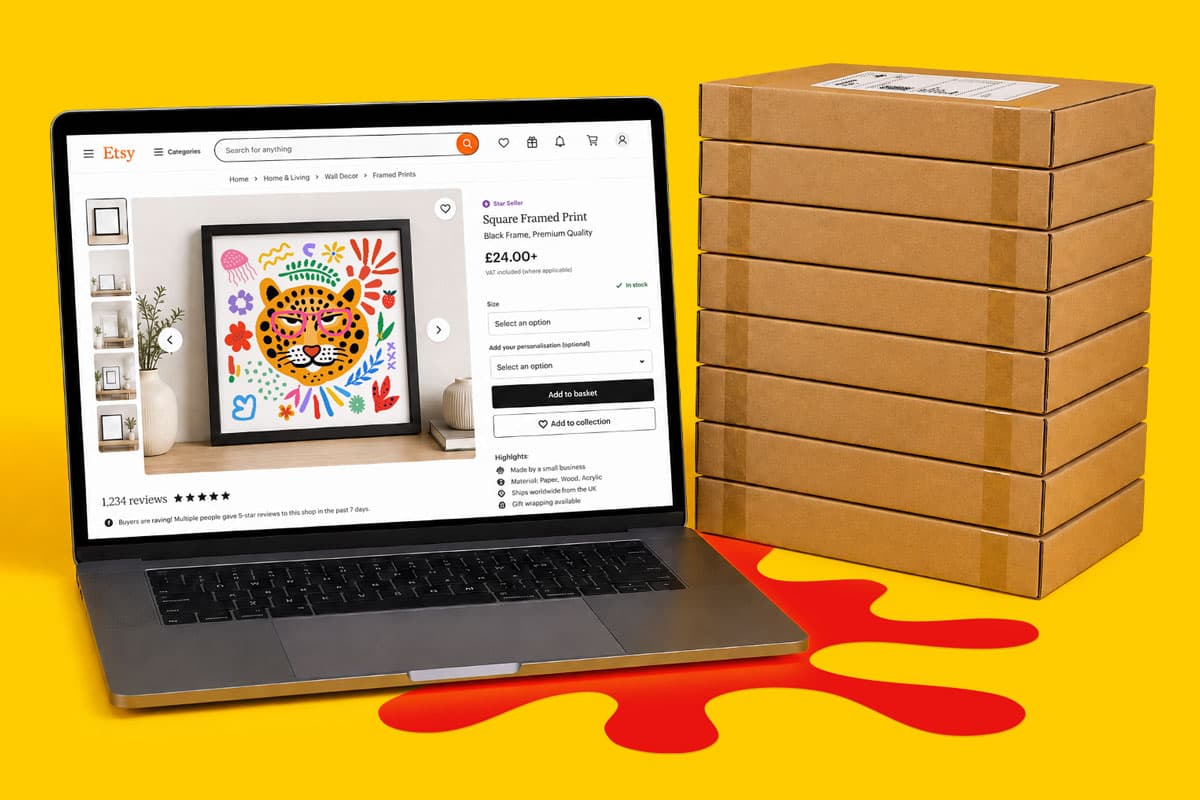
Product photography is one of the biggest deciding factors on Etsy. Your first image has to stop someone scrolling, while the rest of your images need to answer the questions a buyer might have before placing an order.
Kate Hayes described the listing photo as “the main deciding factor” in whether someone visits your shop or keeps scrolling. That’s why photography deserves more attention than a quick product shot taken at the end of the design process.
Good listing photos can show what the product looks like, how big it is, how it could be used, what details or finishes are included, what the customer will receive and how it might look as a gift.
For printed products, that could mean showing a framed print on a wall, a greeting card held in someone’s hand, a sticker sheet laid flat, a notebook on a desk or a mug in a lifestyle setting.
Etsy recommends listing photos with a width and height of at least 2000 pixels. It also recommends that the first listing photo should have a width and height of at least 635 pixels to avoid appearing lower in search.
This matters because customers often see your product first in a busy search result. If the thumbnail’s unclear, too dark, too cropped or too plain, they may never click through to read the listing.
A strong Etsy listing should usually include a clear main product image, a lifestyle image, a close up detail image, a scale image, a packaging image, a personalisation example if relevant and a simple graphic that explains sizes, options or finishes.
For sellers who use mockups, make sure they still feel realistic. A mockup can help sell the idea, but buyers also need to understand what the final product will actually look and feel like.
Etsy SEO is about helping the right shoppers find your products. It’s not just about adding as many keywords as possible.
Etsy says keywords across titles, descriptions, tags, categories and attributes help listings match with buyer searches. Etsy also says its search now takes a wider view of listings, including titles, tags, attributes, descriptions, first photo and even reviews.
Kierra Butcher, also known as The Fast Track Girl, has spoken about the mistakes she made when starting out on Etsy. She said that using “super saturated tags” affected her sales, while missing opportunities across shop sections and other features also held back her SEO.
Clever product names might suit your brand, but they don’t always help customers find what they’re searching for. A title like Midnight Meadow might sound nice, but it doesn’t tell Etsy or the customer what’s being sold. A clearer title could be Personalised Floral Wedding Invitation or Wildflower Nursery Wall Art Print.
To improve Etsy SEO, focus on clear product names, specific phrases customers are likely to search, relevant categories and attributes, all available tags, natural keywords in the first few lines of the description and specific details such as size, colour, material, occasion and recipient.
Avoid keyword stuffing. Etsy’s own guidance recommends clear titles and descriptions written for real people, not just for search. Your listing should help customers find the product, but it should also help them feel confident enough to buy it.
Once someone clicks your listing, the description needs to do more than describe the design. It should answer the practical questions that might stop a customer from buying.
For printed products, customers may want to know what size the item is, what material it’s printed on, whether the frame’s included, whether colours may vary slightly on screen, how personalisation works, what’s included in the order, how long it takes to make or dispatch, how it’s packaged and whether it’s suitable as a gift.
The opening lines of your description are especially important. They should clearly explain what the product is and who it’s for, while naturally including the main search terms.
For example, a personalised family name print could be described as a thoughtful housewarming, wedding or anniversary gift, printed on high quality paper and available in a range of sizes to suit the customer’s home.
This tells the customer what the item is, what occasions it suits and what kind of product they’re buying. It also includes useful keywords naturally.
A product can sell well and still not make enough profit. That’s why pricing is one of the most important parts of building a successful Etsy shop.
When pricing an Etsy product, sellers need to consider more than the print cost. The final price should take into account product cost, packaging, delivery, Etsy listing fees, Etsy transaction fees, payment processing fees, time spent designing and fulfilling orders, marketing costs and any discounts or promotions.
Etsy’s UK seller information currently lists a £0.15 listing fee, a 6.5 percent transaction fee on the sale price including postage, and a 4 percent plus £0.20 payment processing fee when an item sells through Etsy Payments. There may also be advertising fees for sales that come through Offsite Ads.
That doesn’t mean sellers should simply charge more than everyone else. It means each product should have a clear margin before it goes live.
A lower priced product might work well if it sells in volume or encourages repeat orders. A higher priced product might need stronger photography, packaging, personalisation or perceived value.
For printed products, profit can often improve when sellers build ranges. If one design can be used across prints, cards, stickers and notebooks, the creative work can support several products rather than one listing.
Many Etsy sellers start with a single product idea. The opportunity comes from finding ways to extend that idea without losing focus.
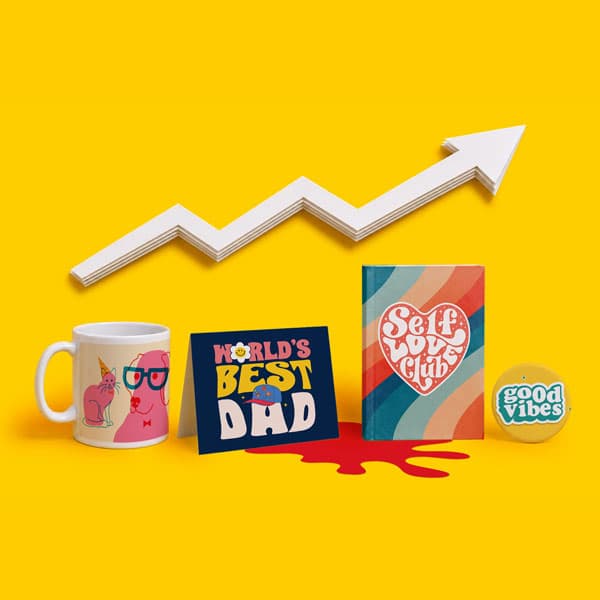
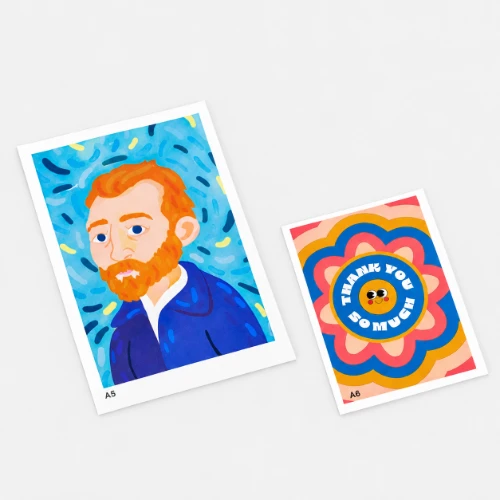
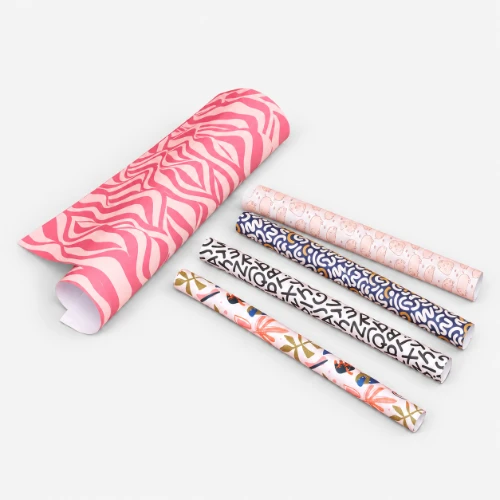
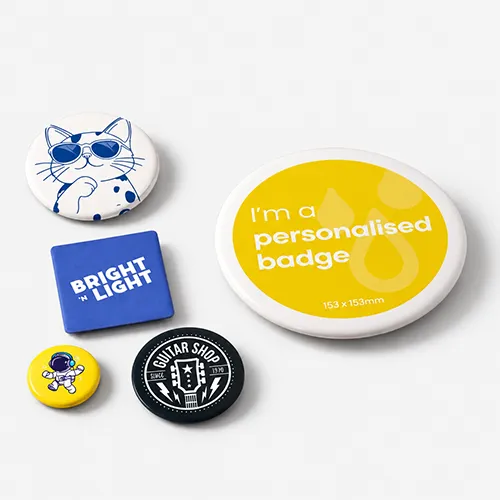
A popular print design could also become a greetings card, postcard, sticker, notebook cover, bookmark, badge, mug, tote bag, wrapping paper design or framed print.
This is useful because customers often browse by occasion, recipient or style. If they like your design, they may be open to buying it in different formats.
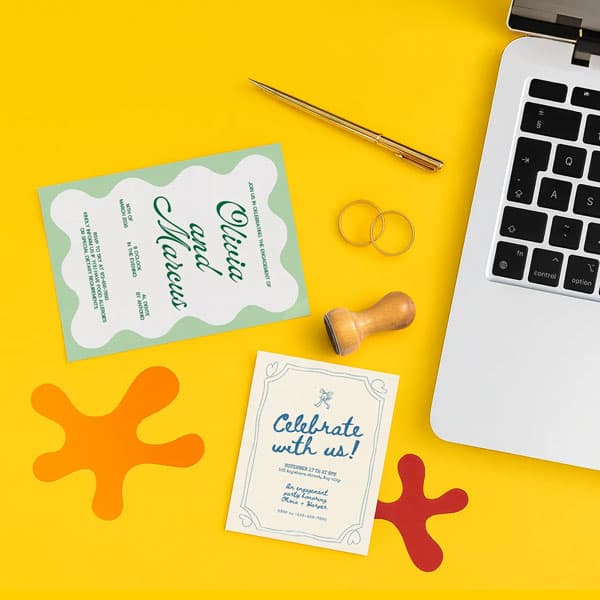
For example, a wedding illustration could become invitations, thank you cards, table numbers, favour stickers and personalised prints. A nursery print range could become milestone cards, wall art, stickers and keepsake cards. A funny slogan could become a card, mug, badge or notebook.
This approach can also help with Etsy SEO, because each product gives you another listing with a different search angle.
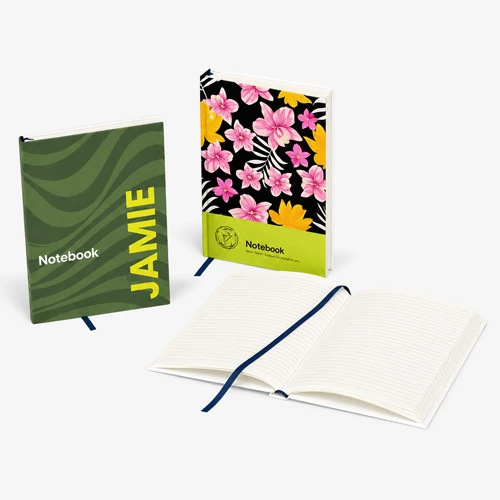
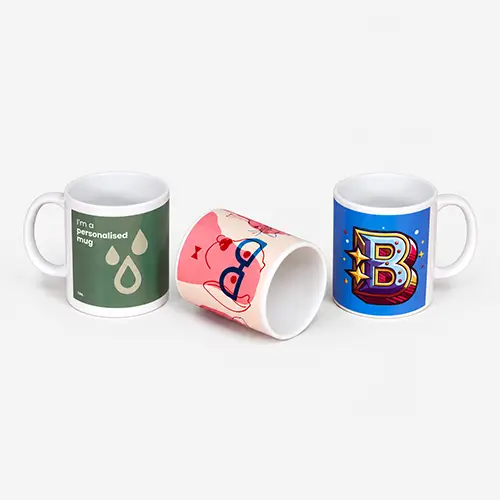
WTTB’s Marketplace Print Hub, greetings cards, postcards, stickers, notebooks, badges, mugs, tote bags, framed prints and personalised wrapping paper can all help sellers explore printed product ideas that work well for marketplace shops.
A successful Etsy shop isn’t only built on getting customers to buy once. It’s built on the experience they have after they place the order.
That includes delivery, packaging, communication and how the product feels when it arrives.
For sellers, this means being clear about processing times, delivery options, personalisation deadlines, returns and exchanges, what happens if an order is delayed, how the item will be packaged and how customers can contact you.
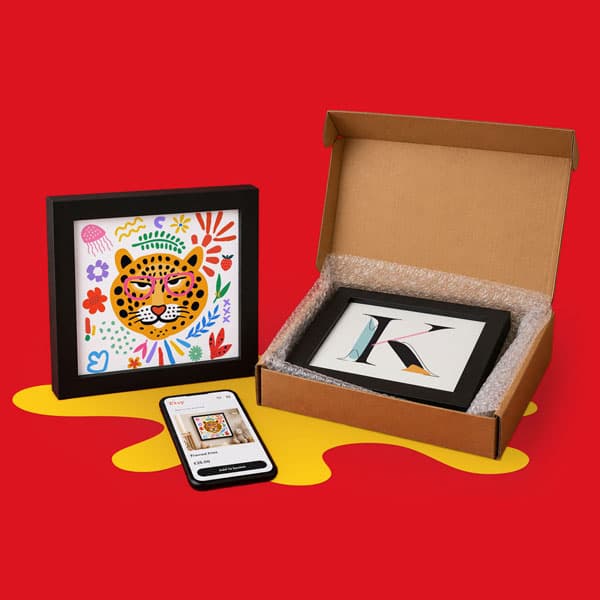
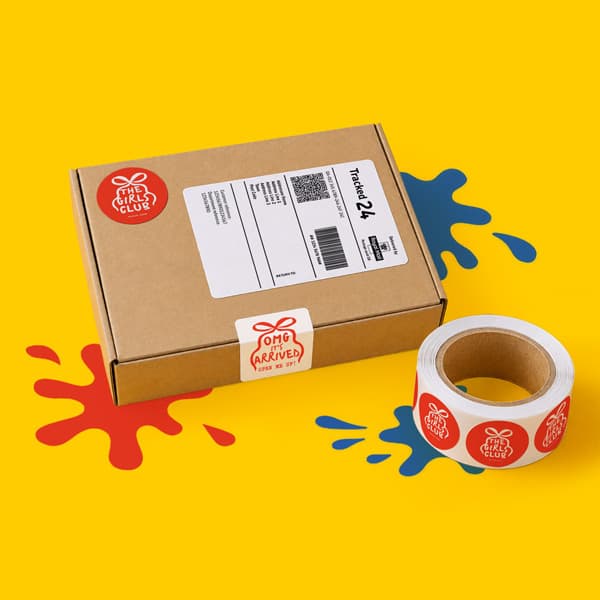
Good packaging can also make a product feel more giftable. This doesn’t always mean expensive packaging. It could be a simple thank you card, branded sticker, printed insert or neat protective wrap.
For marketplace sellers who want to keep their own brand visible, our Marketplace Print Hub includes support for sellers who need print that can be sent professionally to their customers.
Reviews are valuable for trust, but they’re also useful for product development.
Look at what customers mention. Are they praising the paper quality, colour, packaging, personalisation or speed of delivery? Are they asking for different sizes, matching products or gift options? Those comments can help you decide what to create next.
If customers keep buying one design as a wedding gift, could it become a wedding card? If a print’s popular for new baby gifts, could it become a nursery card or milestone set? If people love a design on a sticker, could it work as a mug or notebook?
The best Etsy sellers don’t guess all the time. They test, listen and build from what’s already working.
One of the best ways to get inspiration is to look at successful Etsy shops and pay attention to what they do well.
Look at their main listing images, how they structure titles, how they explain product options, how many photos they include, how they use personalisation, how they group products into shop sections, how they talk about delivery, how they use reviews and how their product range fits together.
Etsy seller Victoria Dove also shares a simple visibility tip: “Add your shop name to each listing title.” It’s a small detail, but it links back to a bigger point. Your listings should help customers find you, understand you and remember you.
A successful Etsy shop is rarely finished. Listings can be improved, photos can be updated, product ranges can be refined and descriptions can be made clearer over time.
Etsy gives artists, designers, makers and small businesses a way to reach shoppers who are already looking for creative and personal products. The opportunity’s there, but the strongest shops are built with more than good artwork alone.
To sell successfully on Etsy, think about your niche, product range, listing photos, keywords, pricing, packaging and customer experience. A design that starts as one idea could become a print, card, postcard, sticker, notebook, mug, badge or wrapping paper range.
Whether you’re launching your first Etsy shop or improving an existing one, professional print can help your products feel ready to sell from the moment they arrive.
Explore our Marketplace Print Hub to see how your designs could become printed products customers want to buy.
A successful Etsy shop usually has a clear niche, strong product photography, accurate titles, useful descriptions, fair pricing and reliable customer service. The best shops make it easy for customers to understand what’s being sold and why it’s worth buying.
Focus on clear product presentation, consistent branding and strong listing images. Your main photo should show the product clearly, while the rest of your images should explain size, detail, finish, packaging and how the item can be used.
Yes. Etsy SEO helps your products appear in relevant searches. Use clear product titles, accurate categories, all relevant tags, useful attributes and natural keywords in your descriptions. Avoid keyword stuffing and write for customers as well as search.
There’s no fixed number, but a small focused range is usually stronger than a random mix of products. Start with products that feel connected by style, audience or occasion, then expand based on what customers respond to.
Include all costs before setting your price. This should cover production, packaging, delivery, Etsy fees, payment processing, your time and any promotional costs. A product should have a clear profit margin before it goes live.
Popular printed products often include art prints, greetings cards, stickers, postcards, notebooks, mugs, badges, invitations, wrapping paper and personalised gifts. The best choice depends on your audience, design style and how customers are likely to use the product.
Yes. One strong design can often become a wider product range. For example, an illustration could become a print, card, sticker, notebook, mug or wrapping paper design. This helps you create more listings while keeping your shop focused.
Posted on January 22, 2023 by Emma Thompson
Related topics:
£17.86
£24.35
£47.20
£12.06
£22.99