Prices
Personalised products have moved far beyond novelty gifts. For small businesses, creators, retailers and print resellers, they offer a practical way to turn simple products into something more thoughtful, more memorable and easier to sell.
Whether it's a mug with a customer's name on it, a wedding sign designed around a couple's colour palette, or a branded notebook sent to a client, personalisation helps make everyday products feel specific. That matters, because customers aren't always looking for more things. They're often looking for something that feels considered.
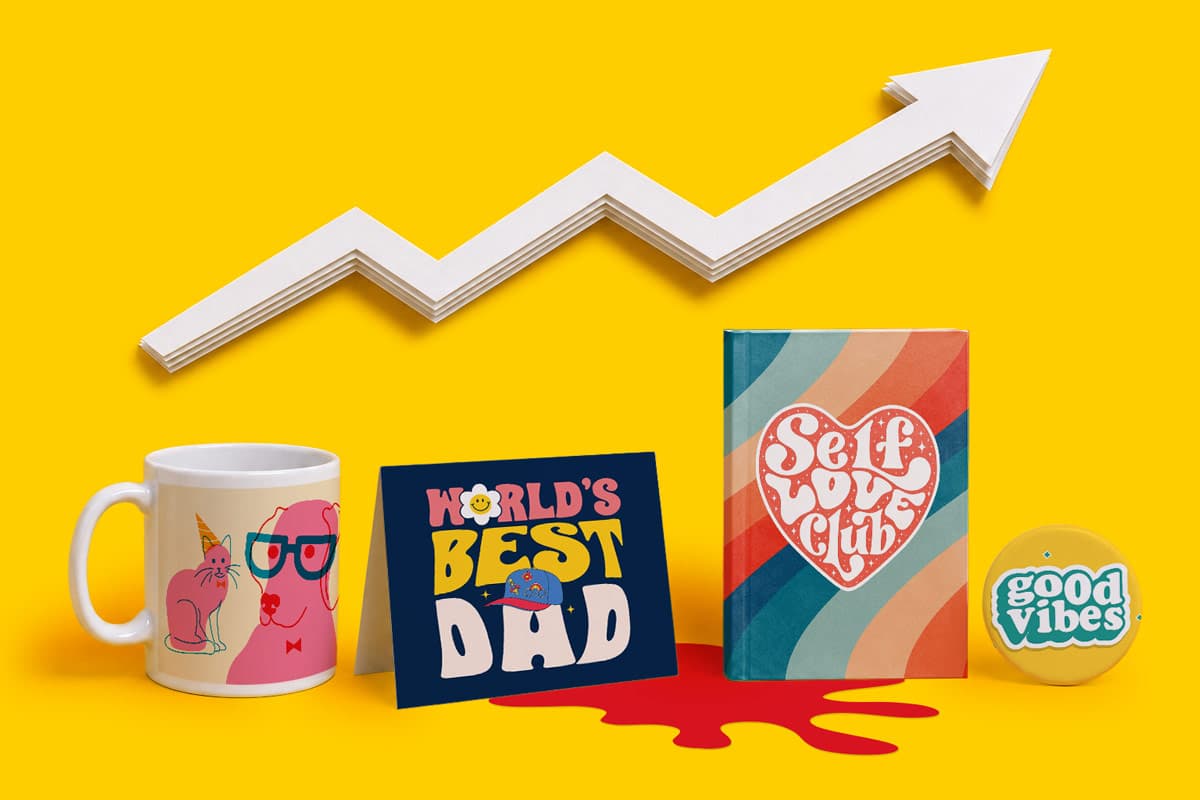
The opportunity is growing too. Data Bridge Market Research valued the UK personalised gifts market at USD 1.88 billion in 2024 and projects it will reach USD 3.27 billion by 2032. That points to a market with long term potential, particularly for businesses that can spot seasonal demand, create relevant designs and build products around specific audiences.
McKinsey research also shows how much people now expect personal experiences from brands. It found that 71 percent of consumers expect companies to deliver personalised interactions, while 76 percent feel frustrated when that doesn't happen. Although this research looks more widely at customer experience, it helps explain why personalised products are so appealing. They make customers feel seen.
So, what personalised products should your business sell, and where are the best opportunities?
Personalisation gives a product a reason to exist.
A mug becomes a birthday gift. A calendar becomes a family keepsake. A sticker sheet becomes part of a small business packaging experience. A card becomes something the recipient wants to keep rather than throw away.
That emotional layer is what makes personalised products powerful. Customers aren't just buying the item itself. They're buying the name, date, message, memory, joke, pet, place or milestone attached to it.
For businesses, that creates several opportunities. You can sell products around occasions, such as birthdays, weddings and Christmas. You can sell to specific audiences, such as pet owners, teachers, parents, couples or business owners. You can also create branded products that help your own business stay visible after a purchase, event or campaign.
The best personalised products are usually the ones that are simple to understand, easy to gift and flexible enough to work across different audiences.
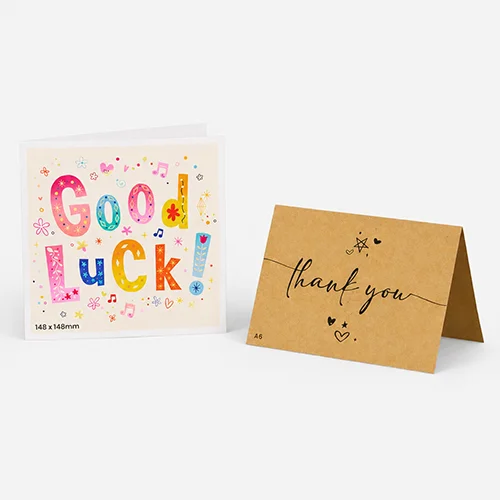
Personalised greetings cards are a strong place to start because they suit so many occasions. Birthdays, weddings, new baby announcements, thank you messages, Christmas, teacher gifts and customer appreciation campaigns can all be built around cards. With printed greetings cards, you can create designs for different audiences and occasions, then adapt the message, name or artwork to make each version feel personal.
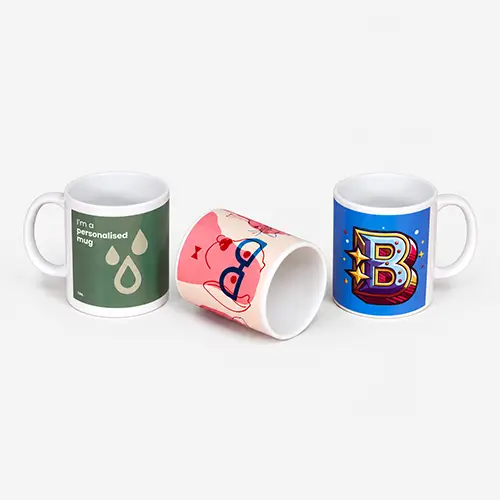
Personalised mugs are another popular option because they're useful, affordable and highly giftable. They work well for birthdays, office gifts, pet themed designs, hobbies, funny quotes, small business merchandise and seasonal ranges. For sellers, the strength of a mug is that one product format can support a huge range of design ideas.
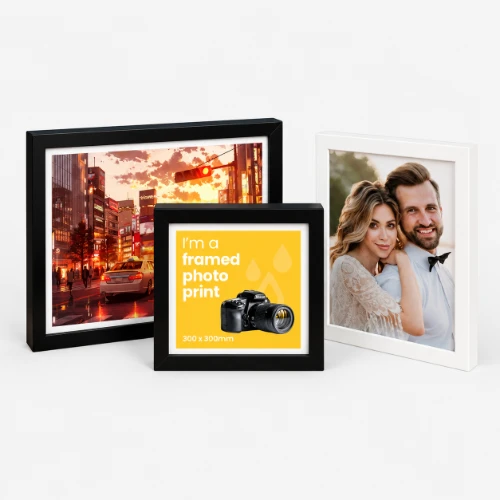
Calendars are ideal for businesses that have strong photography, illustration, pet, family, travel or local interest content. A personalised calendar can work as a gift, a keepsake, a charity fundraiser, a corporate giveaway or an annual product range. They're especially useful because they give customers a reason to buy at specific times of year.
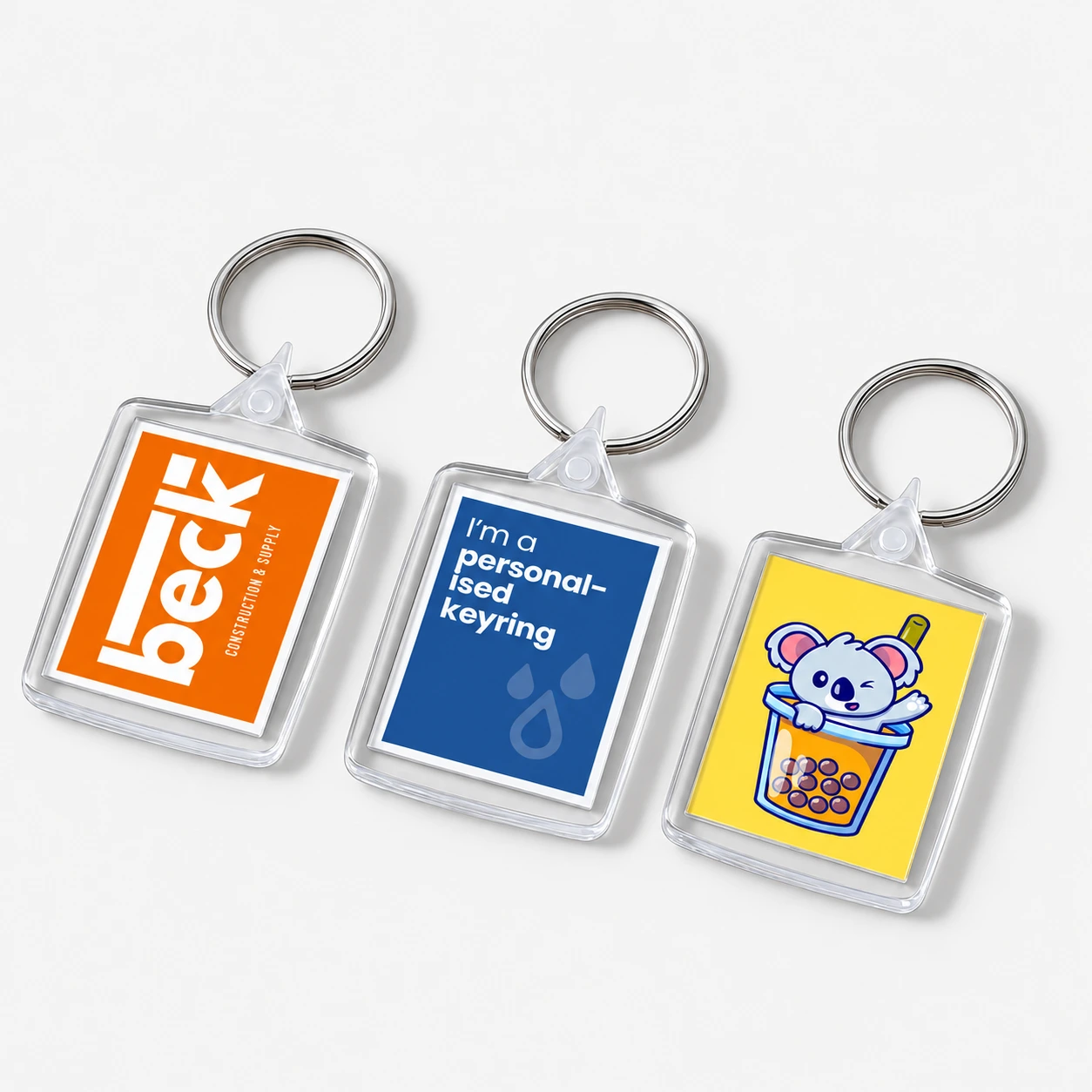
Keyrings and stickers are useful for lower cost personalised products. They can work as small gifts, add on purchases, packaging inserts, event merchandise or branded freebies. Stickers are especially flexible for creators, marketplace sellers and small businesses because they can be used for packaging, product bundles, thank you notes and promotional campaigns.
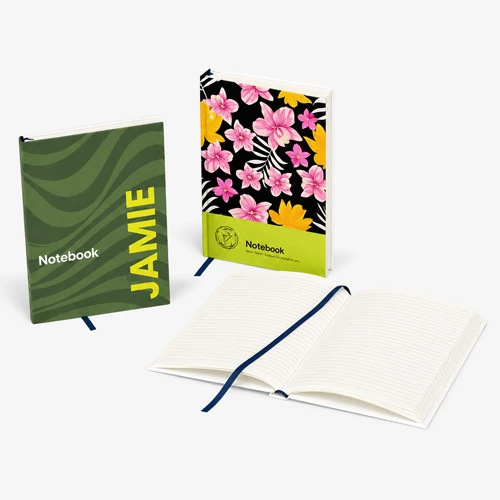
Books and brochures can also become personalised products when they're built around memory, story or presentation. Think personalised notebooks, family recipe books, wedding memory books, children's activity books, client welcome packs, event programmes or premium brand lookbooks. Book printing gives businesses a way to create something with more depth than a single flat product.
Banners and signage are useful when personalisation is linked to events. Birthdays, weddings, baby showers, anniversaries, hen parties, school events, charity fundraisers and corporate celebrations can all create demand for custom signs, backdrops and display print.
A strong personalised product range is rarely built around products alone. It's built around moments.
Birthdays, weddings, Christmas, Mother’s Day, Father’s Day, Easter, Halloween, teacher gifts and graduation all give customers a reason to search, browse and buy. These moments also help businesses plan ahead, because customers often start looking before the occasion arrives.
Etsy's Fall and Winter 2025 seller report highlights how seasonal shopping is shaped by emotion, personal expression, nostalgia and gifts that tell a story. It also notes that shoppers are looking for personalised and sentimental gifts connected to family, tradition and personal milestones.
That's the important lesson for businesses. Don't just sell a personalised product. Sell the moment it belongs to.
A mug can become a first Father’s Day gift. A card can become a teacher thank you. A calendar can become a Christmas gift for grandparents. A banner can become the centrepiece for a milestone birthday. A booklet can become a wedding guide, memorial keepsake or branded welcome pack.
When you understand the occasion, the product becomes easier to position.
If you're not sure where to start, think about who the product is for before thinking about the product itself.
For marketplace sellers, personalised cards, mugs, stickers, calendars, prints and keyrings are useful starting points. These products are easy for customers to understand and can be adapted around names, dates, pets, hobbies, locations and inside jokes. They also work well for niche designs, which can help smaller sellers avoid competing only on broad gift terms.
For wedding businesses, personalised invitations, RSVP cards, menus, table plans, welcome signs, order of service booklets, favour tags and thank you cards can all help couples create a more joined up day. Wedding customers often want everything to feel coordinated, so one strong design style can become a whole stationery suite.
For pet brands, the opportunity is emotional. Pet owners often buy as though they're buying for a family member. Products such as photo calendars, pet themed cards, stickers, mugs and keepsake prints can tap into that relationship without needing to be complicated.
For creators and illustrators, personalisation can help turn artwork into repeatable product ranges. A single illustration style could become birthday cards, prints, stickers, mugs or notebooks. Adding names, dates, locations or short messages can make each product feel more giftable.
For small businesses, personalised print can support customer retention and brand awareness. Branded thank you cards, packaging stickers, loyalty cards, client welcome packs, notebooks and event giveaways can all help your business stay front of mind after the first interaction.
For print resellers, personalised products create a useful upsell. A customer asking for wedding invitations may also need menus, table numbers, signage and thank you cards. A business ordering event brochures may also need name cards, branded notebooks, stickers or banners. The opportunity isn't always one product. It's the wider range that surrounds it.
A useful way to find product ideas is to combine three things: product, audience and occasion.
A broad product idea might be a mug. A stronger idea is a personalised mug for new dog owners. A broad product idea might be a card. A stronger idea is a funny personalised card for a teacher at the end of term. A broad product idea might be a calendar. A stronger idea is a local photography calendar for people who love a particular town, football club, coastline or community.
The more specific the product feels, the easier it is for the right customer to understand why it's for them.
This doesn't mean every product needs to be niche. Popular occasions such as birthdays and Christmas will always attract demand. But if you're a smaller business, adding a clearer audience or theme can help your product stand out.
Before creating a new range, ask:
If you can answer those questions, you're closer to a product customers can understand and buy.
Personalised products need planning time. Customers need to find the product, decide what they want to add, check details, place the order and receive it before the occasion.
That means seasonal sellers should work ahead of the buying moment.
Christmas products should usually be planned in late summer or early autumn. Wedding products can sell throughout the year, but engagement season, spring planning and summer weddings can all shape demand. Teacher gifts need to be ready before the end of term. Mother’s Day and Father’s Day products should be promoted several weeks before the day itself.
The earlier you prepare, the more time you have to create product listings, test designs, build content, send emails and give customers confidence that their order will arrive on time.
Personalisation can make a product more meaningful, but the product still needs to feel well made.
Good design matters. Clear typography, balanced spacing and high quality images can make even a simple product feel more premium. If a customer is adding a name, date or message, make sure the design has enough space for different lengths of text.
Material choice also matters. A greetings card on a quality stock feels more thoughtful. A soft touch finish can make a card, booklet or cover feel more premium. Foiling or spot UV can help highlight names, dates or design details. For wedding, gift and keepsake products, these finishing choices can help the product feel more special.
Packaging and presentation can also increase perceived value. A thank you card, sticker, branded insert or matching envelope can make the product feel considered from the moment it arrives.
You don't need to build a huge range straight away.
Start with one audience and one occasion. Create a small set of designs and see what gets attention. You could test a few birthday cards for dog owners, a mini range of teacher thank you gifts, a Christmas mug collection, or a wedding stationery bundle.
Use your website, Etsy, TikTok Shop, Instagram or email list to watch what people respond to. Look at clicks, saves, enquiries, basket additions and repeat purchases. If one design performs well, think about how it could become more than one product.
A card design could become a mug. A mug design could become a sticker. A sticker design could become part of a packaging bundle. A calendar theme could become a print range.
This is where personalised products become commercially useful. One strong idea can grow across different formats.
The way you market a personalised product should make the finished item easy to imagine.
Show examples with realistic names, dates or messages. Use lifestyle images where possible. Explain who the product is for and when someone might buy it. Instead of only saying “personalised mug”, describe the moment: a gift for a dog dad, a thank you for a teacher, a keepsake for a new home, a Christmas present for grandparents.
Product descriptions should be clear about what can be personalised, where the personalisation will appear and how the customer should supply their details. This helps reduce hesitation and makes the buying process feel simple.
For search, include terms that match how customers think. Product, audience and occasion should all appear naturally in your titles and descriptions. For example, a personalised birthday card for mum is more specific than a personalised card. A personalised wedding welcome sign is clearer than custom sign.
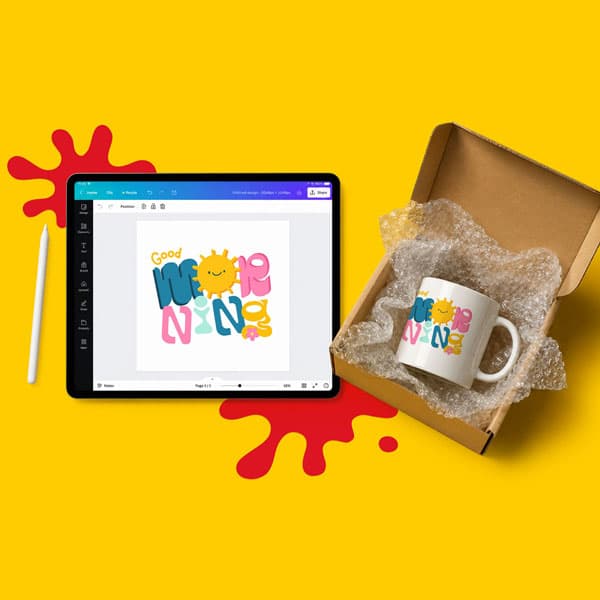
For social content, show the transformation. Start with the blank product, then reveal the personalised version. Show close ups of the name, date or finish. Tell the story behind the design. Customers need to see why the personalised version feels worth buying.
Personalised products aren't only for businesses selling gifts. They can also support marketing campaigns.
A branded notebook, mug, sticker sheet, card or booklet can make a client pack feel more thoughtful. Personalised influencer mailers can help a campaign feel more tailored. Event merchandise can make attendees feel part of something. Packaging inserts can turn a standard delivery into a more memorable brand experience.
The key is relevance. Adding a logo is useful, but adding something that feels specific to the recipient is stronger. That could be their name, company, location, event, role or previous purchase.
When done well, personalised print can help a brand feel more human.
Personalised products can also work well for influencer marketing, especially when you want a campaign to feel more thoughtful than a standard product send out.
For creators such as Laura Ferry, personalisation can help make branded gifts feel more relevant, more shareable and more likely to be remembered. As Laura explains, influencers are more likely to feature something when it's been “made personal to them”. Jordon Lawrence, behind Purely Belta, has also highlighted how personalised products show “extra effort” from a brand and can help build a stronger connection with the person receiving them. Olivia McHale, known as The Northernist, shares a similar view, with personalisation helping a gift feel “made especially for you”.
That's the key takeaway for businesses. If you're sending products to influencers, creators, clients or loyal customers, personalisation gives people a reason to pause, open, share and remember the item. A name, handle, message, date, design detail or brand relevant reference can turn a simple printed product into something that feels created for that person.
This doesn't have to be complicated. A personalised notebook, branded mug, sticker sheet, keyring, card or packaging insert can make a campaign feel more considered. For product based businesses, it can also help turn influencer gifting into content that feels more natural, because the recipient has something specific to talk about.
If you want to sell personalised products, start with the customer rather than the catalogue.
Choose one audience. Choose one occasion. Choose one product that makes sense for both. Then build a small range around it.
A wedding business might start with invitations and matching signage. A pet brand might start with calendars and cards. A marketplace seller might start with mugs and stickers. A print reseller might start by offering personalised add ons to customers already buying event print, stationery or promotional materials.
Personalised products work because they help people say something specific. Happy birthday. Thank you. Congratulations. We miss you. This belongs to you. This was made for your moment.
For businesses, that creates more than a product opportunity. It creates a reason for customers to buy, gift, share and remember. From branded notebooks and keyrings to coasters, badges, bookmarks and photo blocks, our merchandise printing range gives you even more ways to turn simple ideas into personalised products people want to keep.
Popular personalised products often include cards, mugs, calendars, keyrings, stickers, books, banners and wedding stationery. The right product will depend on your audience, occasion and route to market.
They can be profitable when they're positioned well. Personalisation can increase perceived value because the product feels more thoughtful and specific. However, businesses still need to consider production costs, artwork setup, fulfilment time, pricing and how easy it is for customers to submit personal details.
Cards, mugs, stickers and keyrings are often good starting points because customers already understand them and they work across many occasions. They can also be adapted for different audiences without needing to reinvent the whole product.
Start earlier than the occasion itself. Christmas ranges should be planned in late summer or early autumn. Teacher gifts should be ready before the end of term. Mother’s Day and Father’s Day products should be promoted several weeks before the day.
Yes. Personalised products can be used for client gifts, influencer mailers, event merchandise, staff welcome packs, customer loyalty campaigns and branded packaging. They work best when the personalisation feels relevant to the person receiving it.
Posted on May 14, 2026 by Ben Riches
Related topics:
£47.20
£24.59
£12.06
£40.55
£14.80