Prices
You’ve got an idea for a product, but turning it into something customers can hold, use or display involves more than sending a design to print.
You need to understand who the product is for, choose a suitable format, calculate the complete cost and prepare artwork that works with the material and production method. A design that looks effective on screen may need to be resized, simplified or repositioned before it works as an art print, greetings card, mug, tote bag or piece of packaging.
Whether you’re developing merchandise, launching a marketplace shop or creating print for your business, this guide explains how to move from the first idea to a finished printed product.
Start by deciding what the finished product needs to achieve.
It might be something customers purchase, a promotional item supporting a campaign or a practical product used within a business. Its purpose will influence the format, material, quantity and amount you can afford to spend.
Think about who will receive it, where they’ll encounter it and what you want them to do with it. A poster created for an exhibition has different requirements from one intended for sale online. A greetings card sold through Etsy needs to work as a product, while a card included with an order may be designed to encourage reviews or repeat purchases.
You should also decide whether the item needs to be posted, displayed, worn, carried or kept. These practical details can quickly rule out formats that looked suitable at the idea stage.
Being clear about the purpose prevents product decisions from being based entirely on appearance.
A product is more likely to succeed when it reflects the needs, preferences and budget of the people expected to buy it.
Consider how they may use the product, what similar items they already purchase and whether they’re likely to value personalisation, practicality, premium materials or a lower price.
Research doesn’t need to become a formal exercise. You could review competing products, read customer feedback, speak with people at events or ask an existing audience what they would find useful.
Pay particular attention to customer complaints. Reviews may reveal that buyers regularly struggle with unclear sizing, weak packaging, inaccurate colours or disappointing materials. These problems can help you identify where your own product needs to perform better.
Positive social reactions can indicate interest, but they don’t always translate into sales. A preorder or small initial launch can provide stronger evidence before you commit to more stock.
The format should support the idea rather than forcing it into an unsuitable product.
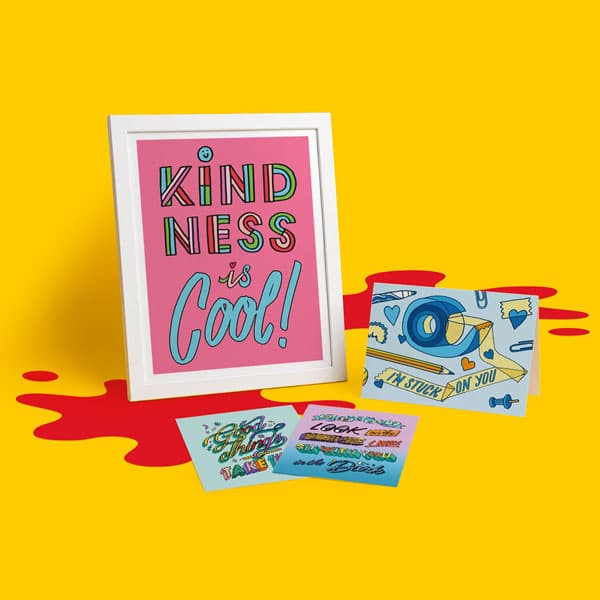
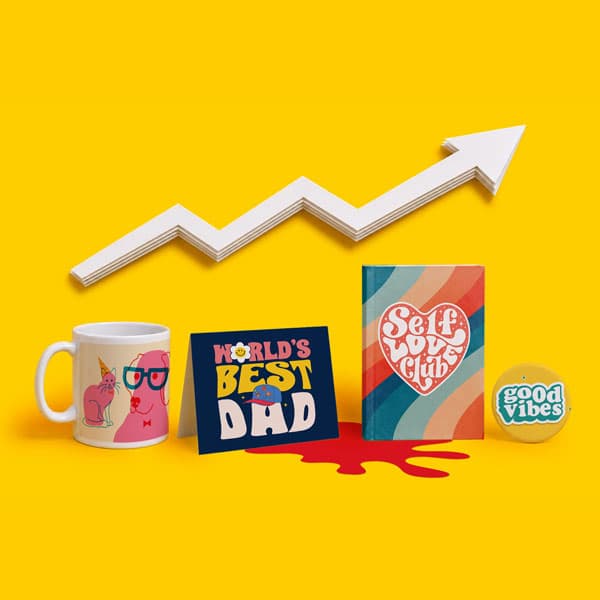
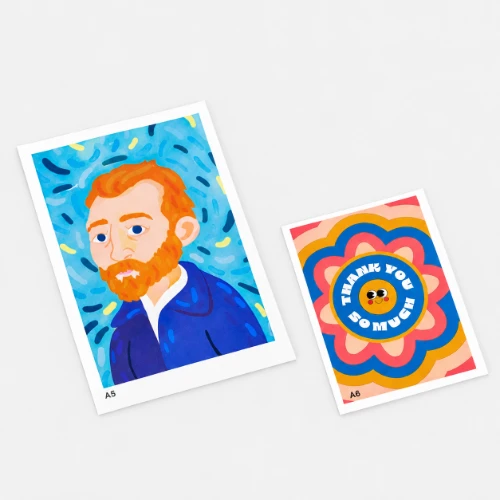
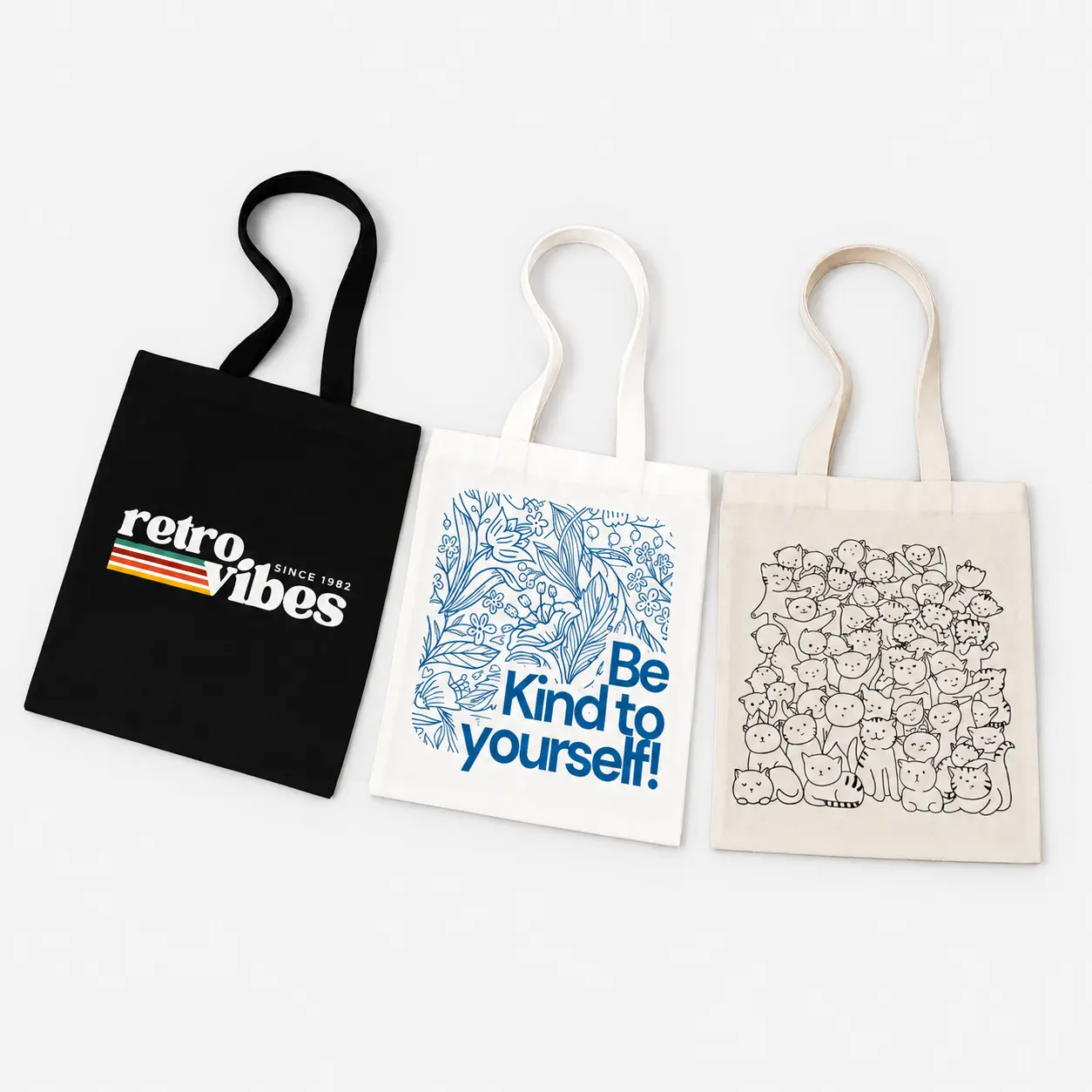
An illustration might work naturally as an art print, greetings card or notebook cover. A repeating pattern could suit wrapping paper, stickers or packaging. Bold artwork might translate effectively across mugs, tote bags and clothing.
Think about how the product will be viewed and handled.
Paper products can hold detailed artwork, photography and typography, but size, folding and whether someone needs to write on the surface will affect the specification.
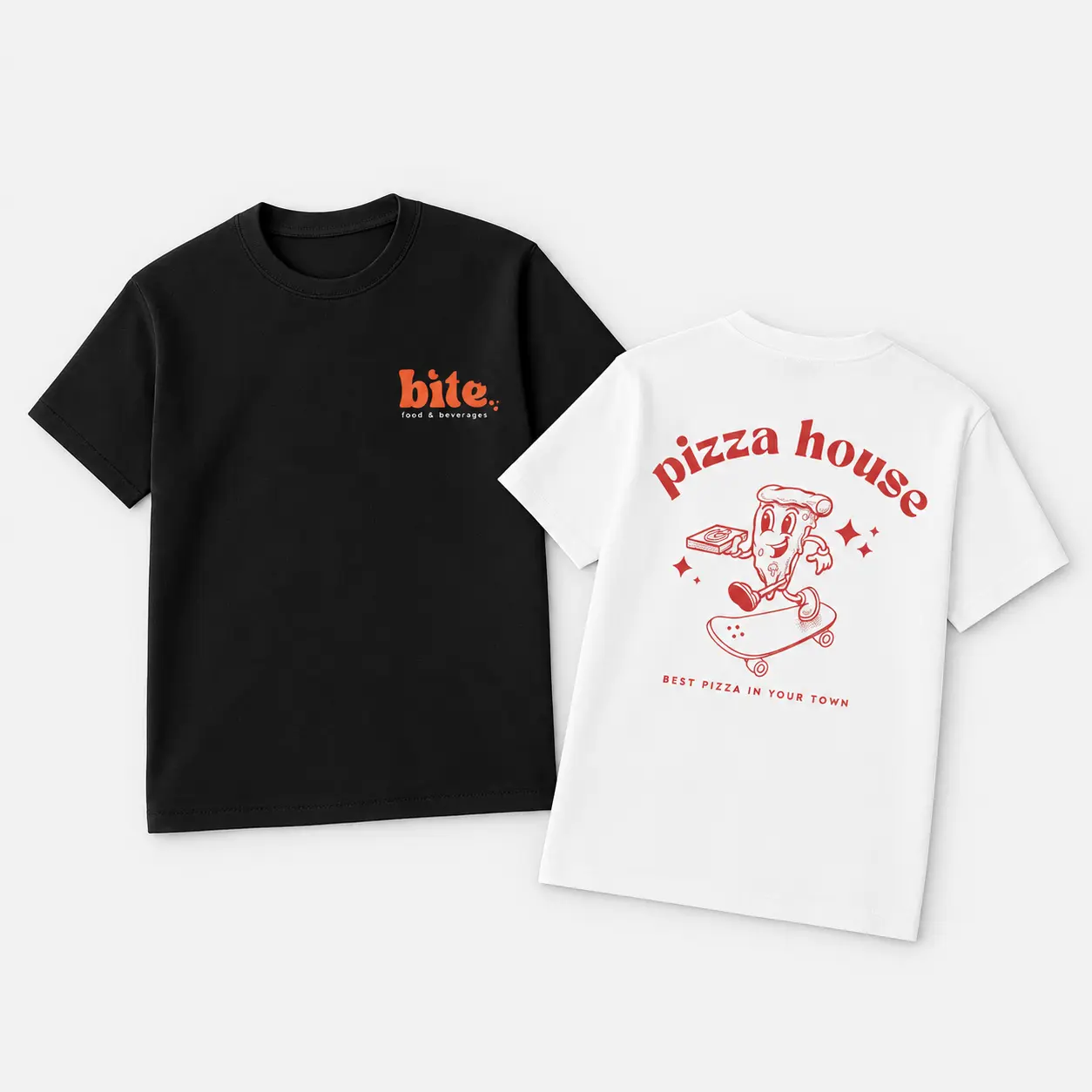
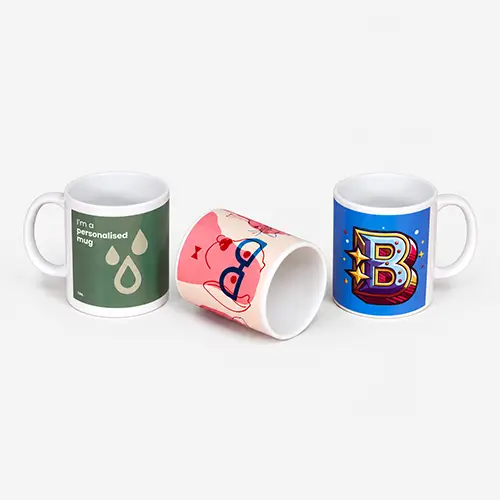
Clothing and fabric products need designs that remain clear from a distance and still work when the material moves or folds. Mugs and other three dimensional products change how the artwork is seen, while packaging has to balance visual appeal with folds, labels and practical product information.
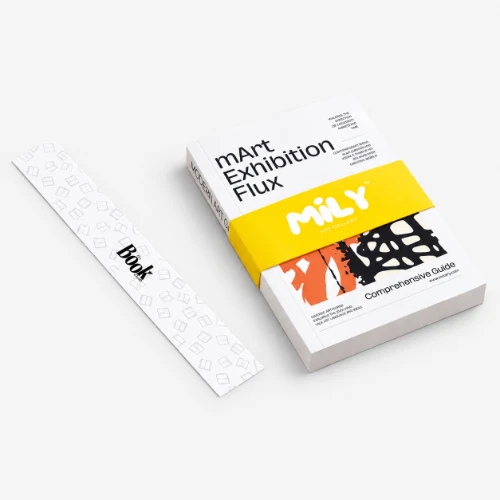
Books and publications introduce further decisions around page count, binding, paper, cover construction and reading order.
Browsing the wider WTTB product range can help you compare formats before deciding which one gives the idea its strongest result.
One successful design can sometimes support several products.
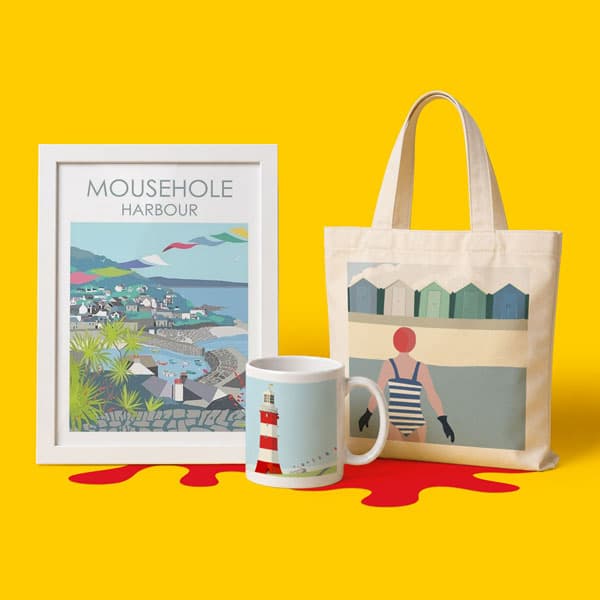
An illustration could become a wall print, greetings card, postcard, mug, tote bag, notebook or piece of wrapping paper. This can help create a connected collection and give customers several ways to buy into the same visual identity.
However, every product should have a reason to exist.
A detailed landscape may work beautifully as a print but become unclear on a small sticker. A simple motif might feel too limited for a large poster but work well on a mug or tote bag.
Rather than placing one unchanged file across everything, adapt the design to the shape, size and use of each product. A collection should feel connected without making every item identical.
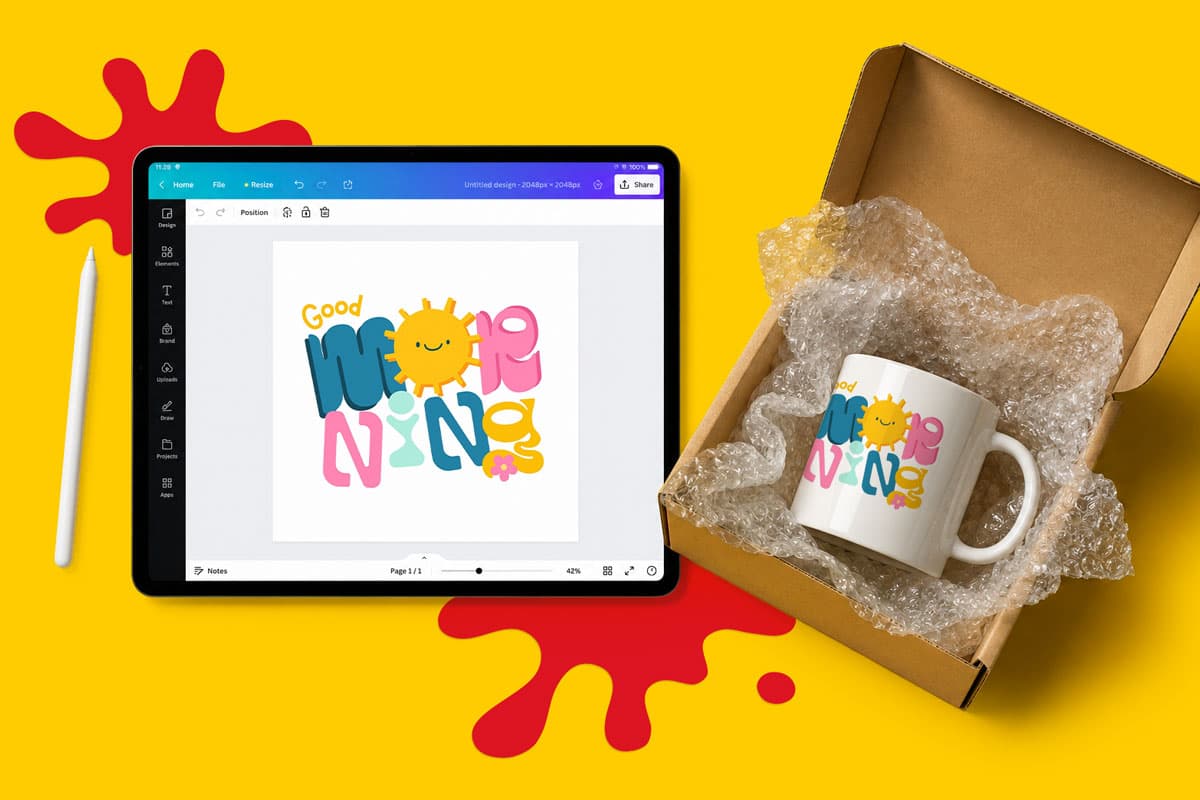
Our guide to launching a product range using Canva explores how related products can be planned, prepared and introduced together.
The production price is only one part of the amount required to create and sell a product.
Your calculation may also need to include design, photography, packaging, delivery, marketplace charges, payment processing, advertising, storage, replacements and your time.
A product can sell regularly without generating a worthwhile profit when these costs haven’t been included.
It’s also important to distinguish between markup and profit margin.
When a product costs £10 and sells for £20, the markup on the cost is 100 per cent. The gross margin before any other expenses is 50 per cent.
The basic calculation is:
Gross profit equals the selling price minus the complete cost of the sale.
Margin can then be calculated by dividing the gross profit by the selling price and multiplying the result by 100.
For example, a product sold for £25 with complete costs of £15 produces £10 gross profit and a 40 per cent gross margin.
Work through these figures before publishing the selling price. Increasing it later can be difficult once customers have become used to paying less.
Material affects colour, texture, weight, durability and perceived value.
A smooth paper can reproduce fine details and strong colour effectively. An uncoated stock creates a more natural, tactile finish and may be easier to write on. Textured and pearlescent papers can add character, but they should complement the artwork rather than compete with it.
Consider how frequently the product will be handled, whether it needs to be written on, how it will be posted and whether its weight will affect delivery costs.
The surface can also change the appearance of the artwork. Bright white paper, cream fabric and glossy ceramic won’t reproduce the same design in exactly the same way.
Our Print Materials Hub provides a closer look at the papers, boards and materials available across our products.
Finishes such as matt, gloss or soft touch lamination can protect a printed surface and change how it looks or feels. Foil and spot UV can highlight selected details where supported by the product.
Use finishes because they improve the result, not simply because they’re available. Every addition affects cost and may influence recyclability, so it should support the product’s purpose and selling price.
Every product has its own proportions and printable areas.
A file created for an A4 poster won’t automatically work on a mug, tote bag, folded card or box. The artwork may need to be resized, rearranged or simplified.
Check the finished dimensions, orientation and safe areas before finalising the design. You’ll also need to account for folds, creases, binding, spines, handles or seams where relevant.
Use the template provided for the chosen product rather than estimating dimensions from a visual mock up. The template shows where the trimmed edge, bleed and safe areas sit, along with any areas affected by the product’s construction.
Images should have enough resolution for the finished size, and important details should remain readable once the design is viewed at its actual scale.
We accept artwork as a print ready PDF. Before exporting the file, check that the document uses the correct dimensions, includes the required bleed and keeps essential details inside the safe area. Images should be high resolution, colours should be prepared in CMYK and fonts should be embedded or outlined.
All pages must appear in the correct order, with unwanted guides and comments removed before export.
Our Print Ready PDF Guide explains how to prepare and export the finished artwork. Our Support Guides also provide further information about colour, bleed, artwork setup and product specific requirements.
A small mistake in the artwork can affect the full quantity.
Open the exported PDF rather than reviewing only the original design file. Check spelling, names, dates, prices, contact details, page order and image quality.
Test QR codes using the exported PDF and confirm that front and reverse artwork appear in the correct orientation.
Review the file at a normal viewing size, then zoom in to inspect images, text and edges. Asking another person to check it can help identify errors that have become difficult to notice after repeated editing.
An Artwork Technical Check can provide additional reassurance around dimensions, bleed, colour and image quality. The wording, spelling and content should still be checked by the person supplying the artwork.
A larger order may reduce the unit cost, but that saving only helps when enough products sell.
Starting with a smaller quantity can allow you to test demand, inspect the physical result and gather customer feedback without committing too much money or storage space.
It also gives you the chance to photograph the real product, confirm packaging requirements and identify any artwork changes before ordering more.
Once the item has demonstrated consistent demand, increasing the quantity may improve the unit cost and make fulfilment easier.
The right balance depends on your available budget, storage space and confidence in future sales.
Screens can’t fully show paper texture, product scale, fabric movement or how colours will appear on a physical surface.
When the order arrives, use the product as a customer would.
Hold a mug and look at it from several angles. Carry a tote bag and check how the design changes when the fabric moves. Open a greetings card and see whether it stands naturally. Read a book from beginning to end and check whether text disappears too far into the binding.
Look closely at colour, image quality, text size, artwork positioning, trimming, folding, construction and finish.
Record any improvements before placing another order. Even small adjustments to scale, margins or contrast can strengthen the next version.
Packaging should protect the product without adding unnecessary weight, cost or complexity.
The right packaging will depend on whether the item can bend, break or be affected by moisture. It should also fit the product closely enough to reduce movement during delivery.
Think about the complete parcel rather than the product alone. A well printed item can still create a poor experience if it arrives damaged or in packaging that feels unnecessarily difficult to open.
Where practical, post a completed parcel to yourself. This gives you a clearer idea of how it may look after moving through the delivery network.
Any printed inserts should have a clear purpose. A thank you card, care guide or promotional offer can be useful, but too many materials can add cost without improving the customer experience.
Customers buying online need to understand exactly what they’ll receive.
Mock ups can help during early development, but final listing images should represent the physical item accurately.
Show the complete product, its scale and any important details. Include more than one angle where the format requires it, particularly for mugs, clothing, packaging and other three dimensional products.
Paper texture, fabric, finish and colour should be visible wherever possible. Product descriptions can then support the images with accurate dimensions, materials and care information.
Photographing the finished product also helps you identify whether the artwork works as expected outside the design file.
Before making the product available, confirm that you’re ready to fulfil orders.
Your product page or sales material should explain what the item is, its dimensions, materials, price and expected dispatch time. Photographs should match the finished product, and available quantities should remain accurate.
Make sure you have suitable packaging, a method for recording stock and a clear returns process.
Avoid launching before production and delivery times have been confirmed. A successful promotion can quickly create problems when more orders arrive than the available stock or fulfilment process can support.
Starting with one manageable sales channel allows you to understand the process before expanding across additional marketplaces, websites or physical events.
WTTB Customer, Archiezoneshop provides an example of how a product idea can develop gradually.
Its creator, Mo, began with greetings cards and needed a practical way to move designs into production without committing to an unmanageable quantity. Smaller orders made the first stage more achievable.
The range later used printed belly bands to hold card collections together and give them a clearer retail presentation.
As the business developed, print began supporting opportunities beyond the original greetings card range. For a major crafting event, WTTB produced a custom life size cardboard cutout of Archie, the dog behind the brand. The shaped display gave Archiezoneshop a distinctive focal point for its exhibition stand, helping the business attract attention and communicate its personality from across the venue
The example shows that product development doesn’t need to begin with a complete collection. One strong product can provide the foundation. Packaging, presentation materials, event displays and new formats can then be introduced when there’s a clear reason for them.
Moving from one idea to a finished product can involve decisions about format, artwork, material, quantity and delivery.
WTTB brings more than 150 print products together in one place, covering paper products, books, signage, displays, clothing, merchandise and packaging.
Flexible quantities allow creators and businesses to begin at a level that suits the project, while free UK delivery makes the complete order cost easier to understand.
Every order uses standard white label delivery, with no WTTB branding, prices or promotional paperwork included inside the parcel. Marketplace sellers can enter a customer’s address when placing selected orders, although each corresponding order still needs to be managed manually.
Templates, Support Guides and Artwork Technical Checks are available when additional artwork guidance is needed.
Begin by defining the audience and purpose. Choose a format that suits the artwork, calculate the complete cost and prepare the file using the correct dimensions and production guidance.
Start with a manageable quantity, review the finished result and make improvements before expanding.
Consider the amount of detail, the shape of the artwork and how customers will use the finished item.
Detailed illustrations may suit prints, books and cards. Bold graphics and typography can translate effectively to clothing, tote bags, mugs and merchandise.
Not always. A smaller initial order can help you test the product and avoid unnecessary stock. Larger quantities may improve the unit cost once demand has been demonstrated.
Yes, but each version should be adapted for its format.
A design created for a poster may need to be simplified for a badge, rearranged for a greetings card or wrapped across the printable area of a mug.
WTTB accepts print ready PDF artwork. The file should use the correct dimensions, bleed, colour setup and image resolution for the chosen product. Check the relevant product guidance before exporting it.
Yes. Enter the customer’s address when placing the order.
Standard white label delivery means the parcel won’t contain WTTB branding, pricing or promotional paperwork. WTTB doesn’t automatically receive orders from your website or marketplace, so you’ll still need to place each corresponding print order.
A strong printed product begins with a clear purpose, not simply an attractive design.
Understand who it’s for, choose the format carefully and calculate the complete cost before production. Prepare artwork for the specific item, check the physical result and use real customer response to guide what happens next.
Your first idea doesn’t need to become an enormous collection immediately. Start with the product that makes the most sense, learn from it and build from there.
When you’re ready to turn your idea into something customers can hold, use and remember, explore the WTTB product range and start bringing it to life.
Posted on March 1, 2026 by Miller Lane-Williams
Related topics:
£17.86
£12.06
£16.49
£17.07
£16.40