Prices
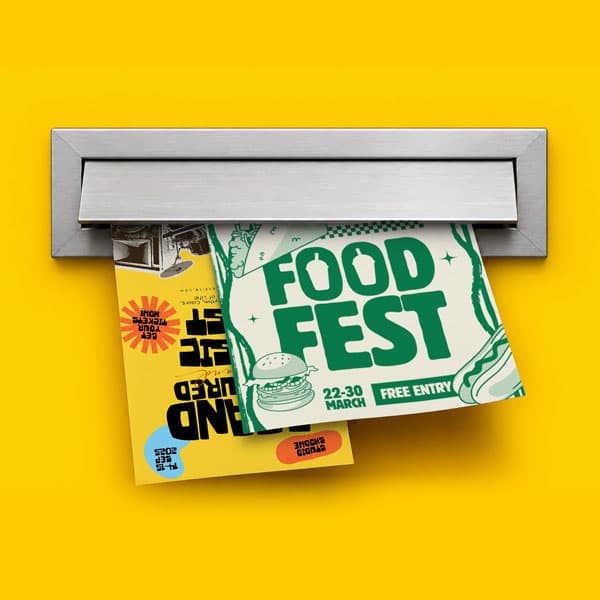
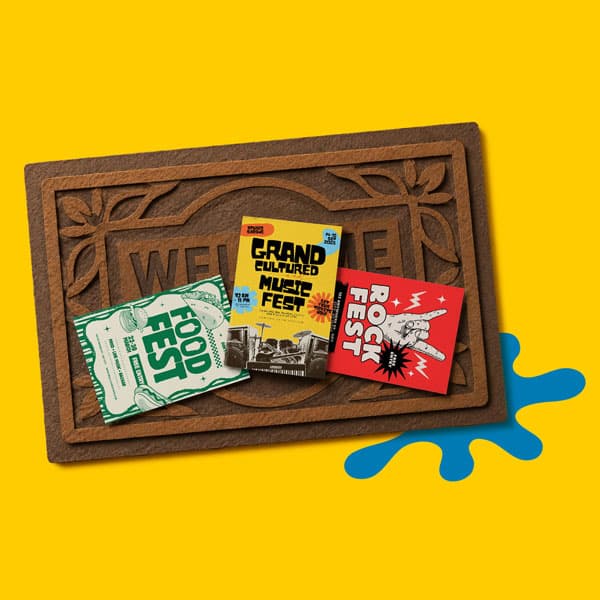
Door drop marketing gives your business a direct route into the home. No scrolling, no inbox competition, no waiting for someone to search for what you offer. Your leaflet lands in a real place, where it can be picked up, read, kept and returned to later. But getting through the door is only part of the job.
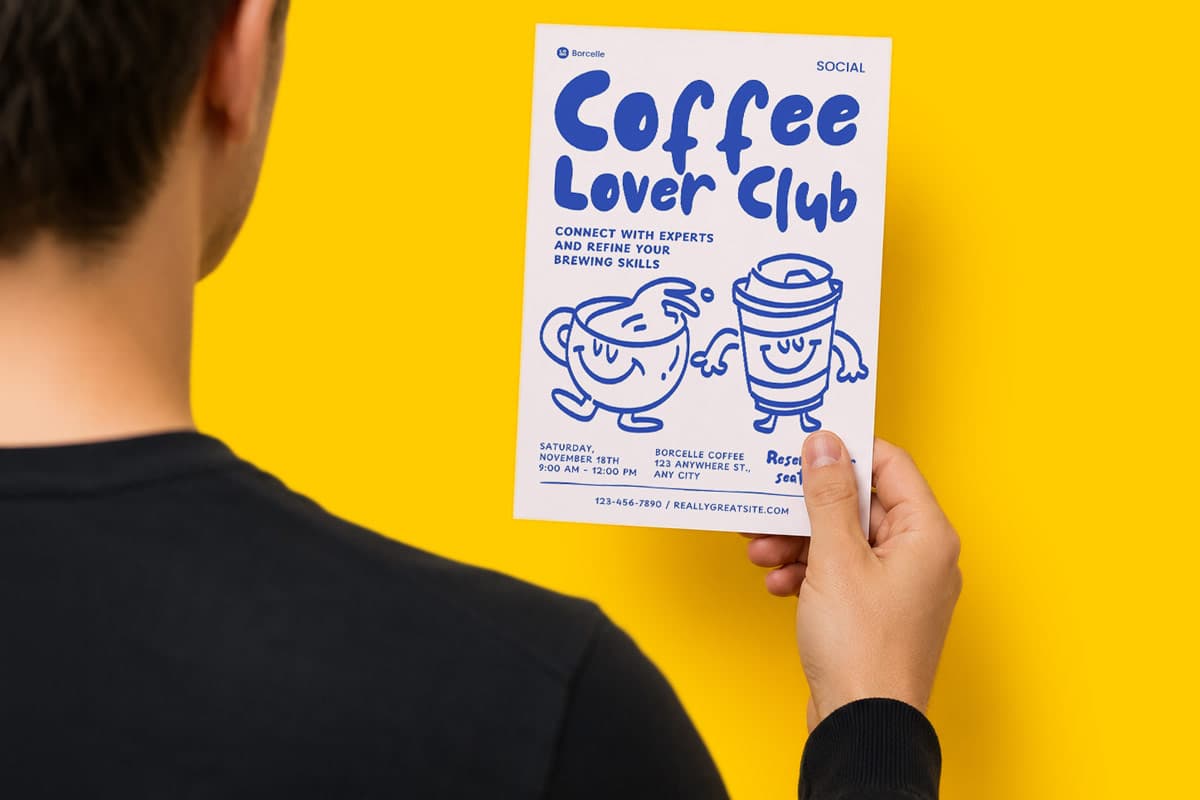
The leaflet itself still needs to work hard. It needs to catch attention quickly, explain your offer clearly and give the reader a simple reason to respond. A good door drop leaflet isn't just a piece of print. It's a prompt, a reminder and a physical connection between your business and the people you want to reach.
According to the DMA and JICMAIL Door Drop Report 2025, 84% of door drops have some sort of action taken with them other than being immediately thrown away on arrival. The same report also found that door drops deliver an ROI of £2.90 for every £1 invested.
That shows the opportunity. Now the question is how to make the most of it.
Before you think about layout, colours or paper, decide what your leaflet needs to do. Do you want people to visit your shop? Book a quote? Scan a QR code? Try a new menu? Attend an event? Use a discount? Remember your business for later?
The best door drop leaflets usually have one main goal. When you try to promote everything at once, the message becomes harder to understand. When the goal is clear, every part of the leaflet can support it, from the headline and imagery to the offer and call to action.
For example, a local restaurant might want people to order from a new takeaway menu. A gym might want nearby residents to claim a free trial. A tradesperson might want homeowners to request a quote. A retailer might want to promote a seasonal sale. Each of those leaflets would need a different message, even if the format is the same.
A door drop leaflet is often judged in seconds. Someone may pick it up with post in one hand, keys in the other and very little time to spare. That means your leaflet needs to answer four questions quickly.
If those answers aren't clear almost immediately, the leaflet is easier to ignore. If they're obvious, the reader has a reason to keep looking.
This is where simple design and strong copy matter. A bold headline, a clear visual, a focused offer and an easy next step can do far more than a crowded layout packed with every service, product and detail your business offers.
A common mistake is making the business name the biggest message on the leaflet. Your brand should be visible, but the headline should usually lead with what matters to the customer.
A gardener could say:
A salon could say:
Each headline gives the reader a reason to continue. It connects the leaflet to a need, a problem, a desire or a moment in their life. People respond when they can quickly see what's in it for them.
A strong leaflet doesn't always need a discount, but it does need a reason to act. That could be a saving, a launch offer, a free consultation, a new service, a seasonal reminder, an exclusive local deal or a useful piece of information. The offer should be simple enough to understand at a glance.
Try to avoid vague phrases such as quality service at great prices. They are easy to say, but they don't give the reader much to respond to.
Instead, make the value specific.
Specific offers feel more actionable. They also make it easier to measure whether the campaign has worked.
Door drop marketing works especially well for local campaigns because the leaflet arrives in a place where the offer can feel immediately relevant. Our leaflet distribution service can be planned around selected neighbourhoods, postcode areas or customer profiles, helping your print reach homes that are more relevant to your campaign.
Your leaflet should make the most of that local connection. Mention the area you serve. Reference a local store, event, opening, delivery zone or community need. Use wording that makes the reader feel like the offer is meant for them, not for anyone, anywhere.
For example:
Local relevance can make a leaflet feel less like generic advertising and more like something useful that has arrived at the right time.
When your leaflet lands in someone’s home, you're asking them to take action with a business they may not know yet. Trust signals help reduce hesitation.
Depending on your business, this could include:
The key isn't to overload the leaflet. Choose the most persuasive proof and place it where people can see it.
For example, a small review quote near the call to action can reassure someone at the point they are deciding whether to respond. A trade body logo or guarantee can help a homeowner feel more confident about booking a quote. A restaurant rating can support a menu drop and encourage a first order.
Trust should be easy to notice, not buried in small print.
Your call to action is one of the most important parts of the leaflet. It tells the reader what to do once they're interested.
Be direct. Be specific. Make the action feel easy.
Examples include:
Avoid using several calls to action that compete with each other. If you ask people to call, scan, visit, follow, email and book all at once, the next step becomes less obvious. One main action is usually stronger.
It sounds obvious, but contact details are often too small, too low down or too difficult to find. Your leaflet should make it easy for someone to respond without searching. Include the contact details that best suit the campaign, such as your phone number, website, QR code, email address, social handle, address, opening hours or booking link.
If phone calls matter most, make the phone number prominent. If online booking matters most, make the QR code and website clear. If footfall matters most, include the address, opening times and a simple reason to visit.
Don't make the reader work to find you.
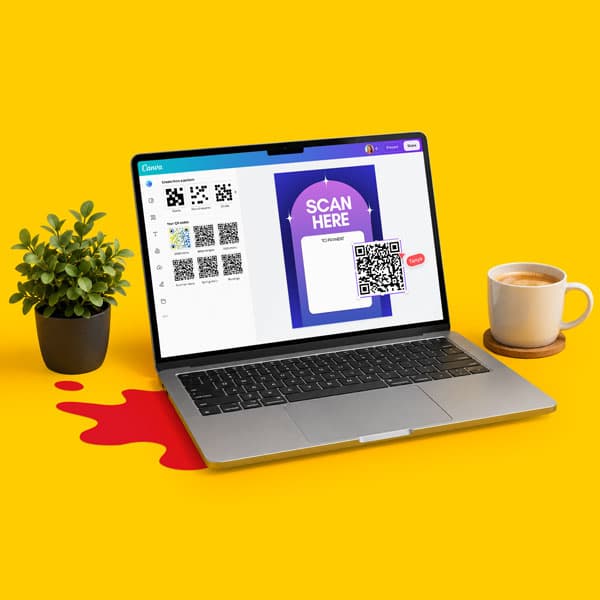
QR codes can help connect your printed leaflet to your digital activity. QR codes, landing pages, offer codes and campaign specific offers as ways to make response easier to track. The most effective QR codes have a clear reason behind them.
Avoid placing a QR code on the leaflet without explaining what it does. People are more likely to scan when they know what they will get.
You can also use a unique landing page or discount code to measure how many responses came from that leaflet drop. This helps you understand what worked and gives you better insight for future campaigns.
One advantage of door drop marketing is that a leaflet can stay in the home. Printed leaflets can be picked up, kept and revisited, making them useful for local campaigns, seasonal offers, new openings and community focused promotions. That staying power increases when the leaflet has a reason to be kept.
Menus, vouchers, appointment reminders, local guides, seasonal checklists, event dates and price lists can all give people a reason to place the leaflet on a fridge, noticeboard, desk or kitchen counter.
Ask yourself:
The more useful the leaflet feels, the more chances your business has to be remembered.
A leaflet has limited space. Every element needs to earn its place. A clear hierarchy helps the reader understand the message in the right order. Start with the headline, then the offer, then the supporting details, then the call to action.
Use enough space around key information so the design doesn't feel cramped. Keep fonts readable. Choose images that support the message rather than filling space. Make sure the most important information can be understood at arm’s length.
A simple leaflet doesn't mean a boring leaflet. It means the reader can understand it quickly.
Knowing what to leave out is just as important as knowing what to include.
Once you know what your leaflet needs to say, the next step is turning that message into a clear, professional design.
This is where a template can help. If you don't have a designer, you don't need to start from a blank page. WTTB’s Canva templates are already set up at the correct size, giving you a practical starting point for your leaflet artwork.
You can choose a pre sized layout, adapt the design to suit your business and use Canva’s library of designs, images, fonts and elements to create something quickly. The important thing is to use the template as a structure, not just decoration.
Start by adding your main headline, offer and call to action. Make sure your contact details are easy to find. Keep the design simple enough to understand in a few seconds. Then use the template to support the message, rather than filling every space.
A good leaflet doesn't need to be complicated. It needs to be clear, relevant and easy to act on. Canva templates can make that process quicker, especially if you want to create artwork yourself and still give your campaign a polished starting point.
Before you send your leaflet to print, check the following:
A strong leaflet gives your business something people can see, hold and respond to. A strong door drop campaign makes sure it reaches the right homes.
With WTTB’s door drop marketing service, your campaign can be planned around selected areas, neighbourhoods or audience types, helping your print reach the people most likely to be interested in your offer.
Whether you are promoting a local service, launching a new offer, opening a new location or building awareness in your area, a well planned leaflet can help turn local attention into real customer action.
Explore our door drop marketing service and start planning your next campaign.
Posted on July 7, 2026 by Ben
Related topics: