Prices
The strongest marketing doesn't usually come from one channel alone. A customer might discover your business on social media, pick up a flyer, visit your website, read a review, receive a parcel from you, then return later to make another purchase.
That's why online and offline marketing work best when they support each other. Print can make your brand visible in the real world, while digital channels help customers learn more, take action and stay connected after that first interaction.
Whether you run an online handbag store, a local pet grooming business, a beauty salon, an Etsy shop or a retail space, your online and offline marketing should feel connected, consistent and easy for customers to follow.
Simply put, marketing is the act of promoting the products or services you offer, with a view to increasing awareness, interest and revenue. You can do this through printed materials such as flyers, leaflets, brochures, business cards and signage, or through digital channels such as websites, social media, email and paid advertising.
For many businesses, the best approach isn't choosing one over the other. It's making sure each channel supports the next step in the customer journey.
Online marketing, also known as digital marketing, is anything you do online to promote your brand, raise awareness of your business and encourage customers to take action. This can include your website, social media channels, online stores, email campaigns, paid search, paid social and affiliate marketing.
Your website gives customers a place to learn more about your business, explore your products or services and feel confident before they buy. It also gives you a central place to send people from printed materials, social media posts, emails and adverts.
Social media channels such as Facebook, Instagram, TikTok and LinkedIn can help you reach new audiences, share updates, showcase products, build a community and keep your business visible. You can do this organically through regular posts, customer content, competitions and useful advice, or through paid social campaigns that target specific audiences.
Online stores such as eBay, Etsy and Amazon can also be important digital touchpoints, especially for small businesses, makers and retailers who sell beyond their local area.
Email campaigns help you speak directly to people who've already shown interest in your business, whether they've bought from you before, signed up for updates or downloaded a guide.
PPC marketing, which stands for pay per click, refers to paid adverts that often appear at the top of search engine results pages.
Affiliate marketing is where you pay a commission to an external partner or platform for traffic or sales generated through their referrals.
Offline marketing, also known as traditional marketing or print marketing, is any marketing activity that reaches your audience away from a screen. This can include printed materials such as leaflets, flyers, brochures, business cards, compliment slips, menus, price lists, stickers and more.
It can also include street signage such as A frames outside your business premises, outdoor banners attached to gates or shop fronts, posters in windows, event signage, branded packaging and promotional gifts such as tote bags or notebooks.
Offline marketing is powerful because it gives customers something physical to see, hold, take away and remember. A leaflet through the door, a brochure picked up in store or a business card handed over at an event can create a lasting reminder of your brand.
The simple answer is both. Online and offline marketing do different jobs. Digital marketing helps customers find you, research you, follow you and buy from you online. Offline marketing helps you reach people in the real world, create local visibility, build recognition and give customers something tangible to keep.
The trick is to think about the full journey. If someone finds you online and then visits your store, printed materials can carry your brand experience beyond the purchase. Custom packaging, printed stickers, compliment slips, care cards or money off vouchers can make the experience feel more considered and memorable.
If someone discovers your brand in person, your printed materials can make it easier for them to find you again online.
Print and digital marketing shouldn't compete with each other. They should guide customers from one touchpoint to the next.
For example, a homeware retailer might not have space to display every product in store. Printed brochures can showcase every colour, finish and size available, while a digital brochure on the website gives customers another way to browse from home.
Beauty salons can also benefit from this approach. A customer might visit for one treatment and leave with a flyer showing the full service list and prices. Later, they might visit the salon's social media page to see before and after images, reviews and booking details.
Restaurants, cafés and hospitality businesses can use printed menus, table talkers, posters and loyalty cards to promote offers in venue, while their website, email list and social media channels help customers keep up with new dishes, seasonal menus and events.
For online sellers, print can make a digital purchase feel more personal. A jewellery seller on Etsy might include a branded jewellery card, bag topper or thank you insert with each order, giving the customer a physical reminder of where they bought from.
Offline to online marketing is anything you do to encourage customers who've interacted with your business in person or through print to visit you online.
For example, an Etsy jewellery seller might sell products at an event. A customer buys a necklace, and the product tag includes the seller's website and Instagram handle. The customer later follows the brand online, sees a new product and places another order through the online shop. That's offline to online marketing in action.
The same idea can apply to flyers, business cards, packaging inserts, event handouts, menus, appointment cards and door drop leaflets. Each printed item should give customers a simple next step, whether that's visiting your website, following your social channels, booking online or leaving a review.
Online to offline marketing works in the other direction. It encourages people who discover you online to visit, call, book or buy from you in the real world.
A customer might see a salon offer on Instagram and book an in person appointment. A restaurant might promote a new menu through email, then support it with printed menus, posters and table talkers in venue. A retailer might announce a sale online, then use window posters, flyers and outdoor banners to increase footfall.
This is especially useful for local businesses. Your digital channels can create awareness, while printed materials and signage help reinforce the same message when customers are nearby.
To get the best results, your marketing channels should feel connected. Customers should recognise your business whether they see you on a screen, in store, through the post or at an event.
Make sure your branding is consistent across every touchpoint. Use the same logo, colours, tone of voice and key messages across your website, social media, email campaigns, flyers, brochures, business cards, packaging and signage.
Include your online details on printed materials, and include your physical details online too. If you've got a shop, salon, showroom, office or venue, make sure your address, opening hours and contact details are clear on your website, social profiles and Google Business Profile.
Use branded packaging when you're shipping or posting products. It doesn't just make your order look more polished. It reminds the customer where they bought from and makes the unboxing experience more memorable.
Encourage customers to review your business online. Review prompts can be added to compliment slips, packaging inserts, thank you cards, receipts or follow up emails.
Think carefully about your audience. Different customers use different channels, so consider where they're most likely to discover, research and buy from you. Some might prefer to visit in person, while others might want to browse, compare and purchase online.
Small details can make a big difference when you're connecting print and digital activity. Printed materials should make the next step obvious. A flyer can direct people to an offer, a brochure can guide customers towards a full product range, a business card can make it easy to get in touch, and a packaging insert can encourage repeat purchases.
Digital tools can make print more interactive too. QR codes, social handles, campaign URLs and printed discount codes can all help customers move from a physical item to an online action.
You can also use print to support online campaigns in the real world. If you're launching a new product, running a sale or promoting an event, posters, banners, flyers and signage can reinforce the same message offline.
One of the biggest misconceptions about print marketing is that it can't be measured. With the right setup, printed campaigns can support clear, trackable results.
Unique discount codes can show which printed materials encouraged customers to buy. Campaign specific web pages can help you see which activity drove online visits. QR code scans can give you another indication of engagement. You can also ask customers where they heard about you during booking, checkout, enquiry forms or follow up emails.
After a print campaign has gone live, look at changes in website traffic, social follows, enquiries, bookings or sales. This can help you understand how print has contributed to wider marketing activity.
By measuring both print and digital together, you can see how each channel supports the customer journey rather than looking at them in isolation.
The right print products can help customers remember your brand and take the next step.
Leaflets and flyers are ideal for local promotions, events, product launches and seasonal offers. They can introduce your business quickly and give customers a clear reason to act.
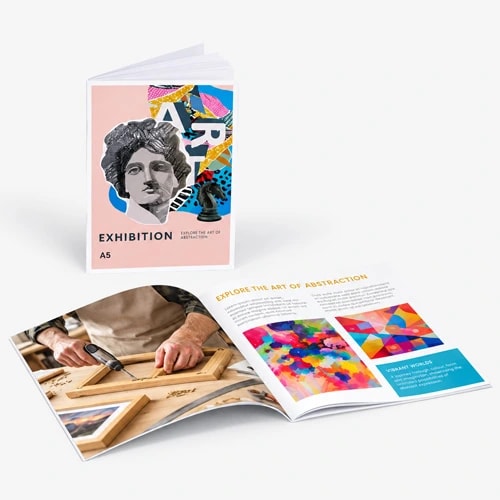
Brochures are useful when you need to showcase a wider range of products, services, styles, packages or prices. They work well for showrooms, homeware retailers, beauty businesses, venues, schools, agencies and service based businesses.
Business cards are still valuable for networking, appointments, events and in person enquiries. A clear card with your contact details can make it easier for customers to remember and return to you.
Compliment slips, thank you cards and packaging inserts can help online retailers add a more personal touch while encouraging repeat orders, reviews or social follows.
Stickers and labels can support packaging, product presentation, promotions and brand recognition.
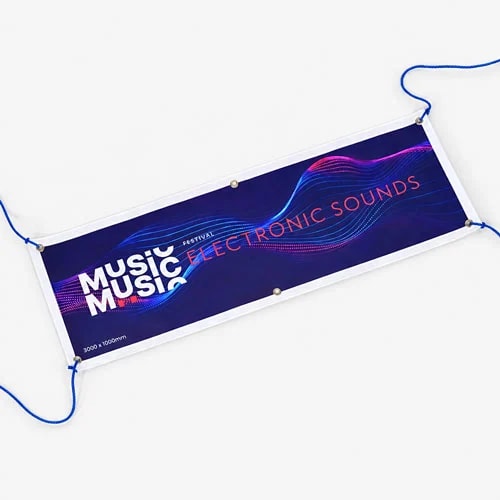
Outdoor banners, posters and A frames can help drive local visibility, promote offers and guide people towards your premises.
Door drop marketing can be especially useful for businesses that want to reach local customers directly. A well designed leaflet delivered through the door can introduce your brand, promote an offer and encourage people to respond. It's also a measurable channel, with the DMA Door Drop Report 2025 finding that door drops deliver an average response rate of 0.5% across 2021 to 2024 data and £2.90 return for every £1 spent.
The strongest marketing doesn't treat print and digital as separate channels. It connects them.
A leaflet can introduce your business locally. A business card can make you easier to contact. A packaging insert can encourage a repeat order. A brochure can support a bigger buying decision. A door drop campaign can help your brand land directly with the customers you want to reach.
When each touchpoint has a clear purpose, your brand becomes easier to find, remember and return to.
Whether you want to increase local visibility, bring customers back online or create a more consistent brand experience, print can play a powerful role in your wider marketing mix.
From flyers and brochures to business cards, packaging and signage, WTTB can help you connect your offline activity with the digital channels your customers use every day.
Posted on July 2, 2026 by WTTB
Related topics:

£38.46
£19.93
£51.01
£23.70
£17.48