Prices
Most marketing doesn't fail because it is bad. It fails because it never becomes memorable enough to matter at the moment of decision. It doesn't earn a place in people's memory.
Every day, people are exposed to thousands of visual messages, whether they know it or not: ads, packaging, social media posts, signage. And yet, only a small fraction is actually stored and later retrieved when it matters. Everything else is filtered out almost instantly.
So what makes the difference? What makes something stick?
Human attention isn't designed for detail. Instead, it is optimised for efficiency. The brain is constantly filtering incoming information, prioritising what feels familiar, unusual or easy to categorise, all while everything else is discarded almost instantly. Data from research shows that the brain actively screens out irrelevant stimuli to preserve energy.
This is why most marketing never truly competes on a level playing field: it is never fully processed in the first place. Peer-reviewed studies suggest that if a piece of communication fails to trigger immediate recognition within the first 2 seconds, limits on your cognitive load cause your brain to reject the information entirely.
In practical terms, if a brand doesn't come to mind, it doesn't get chosen. This is where marketing psychology shifts from persuasion to memory.
So how do you win? How do you capture attention in those first few seconds? Without trying too hard to sound like a self-help book, the answer is simple: be different.
All your favourite brands do it too. They build distinctive assets that serve as consistent triggers for your memory. These can include colour, typography, packaging and characters.
Research from the Ehrenberg-Bass Institute highlights that brands grow by consistently using assets that are uniquely associated with them in memory. These cues reduce the effort required for recognition, especially in low-attention environments.
This is where brand recognition is built. And, among all possible assets, one stands out for speed of recognition: Shape.
Some of the world’s most iconic brands demonstrate this principle clearly. They don't waste time explaining; they are just instantly recognised:
Different executions. Same outcome: instant recognition with minimal cognitive effort.
Everyone wants to be a trendsetter, and yet, it is easier and less risky to follow the curve instead. Why try to reinvent the wheel when the wheel already works just fine?
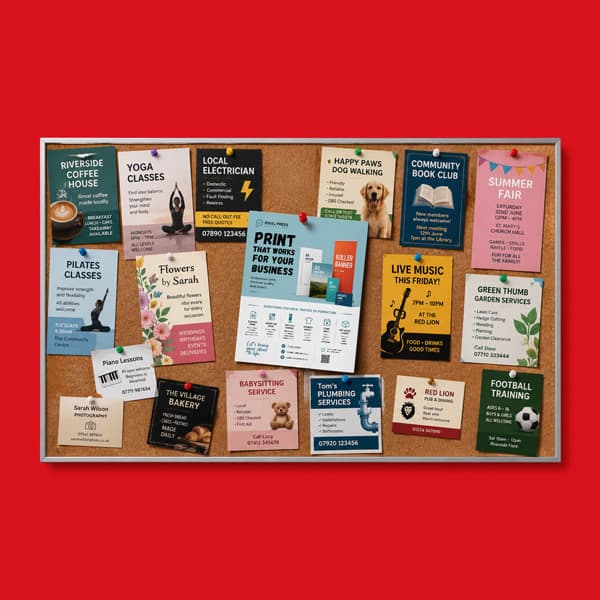
Rectangular flyers. Standard layouts. Predictable designs. Yes, they work. But we know that already. Everyone does. When everything looks the same, nothing stands out.
Research into brand distinctiveness shows that brands grow by consistently using assets that are associated with them in memory. If your marketing collateral looks like everything else, the brain categorises it as that: everything else.
Print already has one advantage that digital often lacks: physical presence. It exists in space. It can be held, handled and physically noticed in a way that digital content cannot replicate.
But physicality alone does not guarantee attention. If every piece of print in a stack shares the same rectangular format, the brain still processes them as interchangeable. This is where format becomes strategic. Shape changes perception before content is even read.
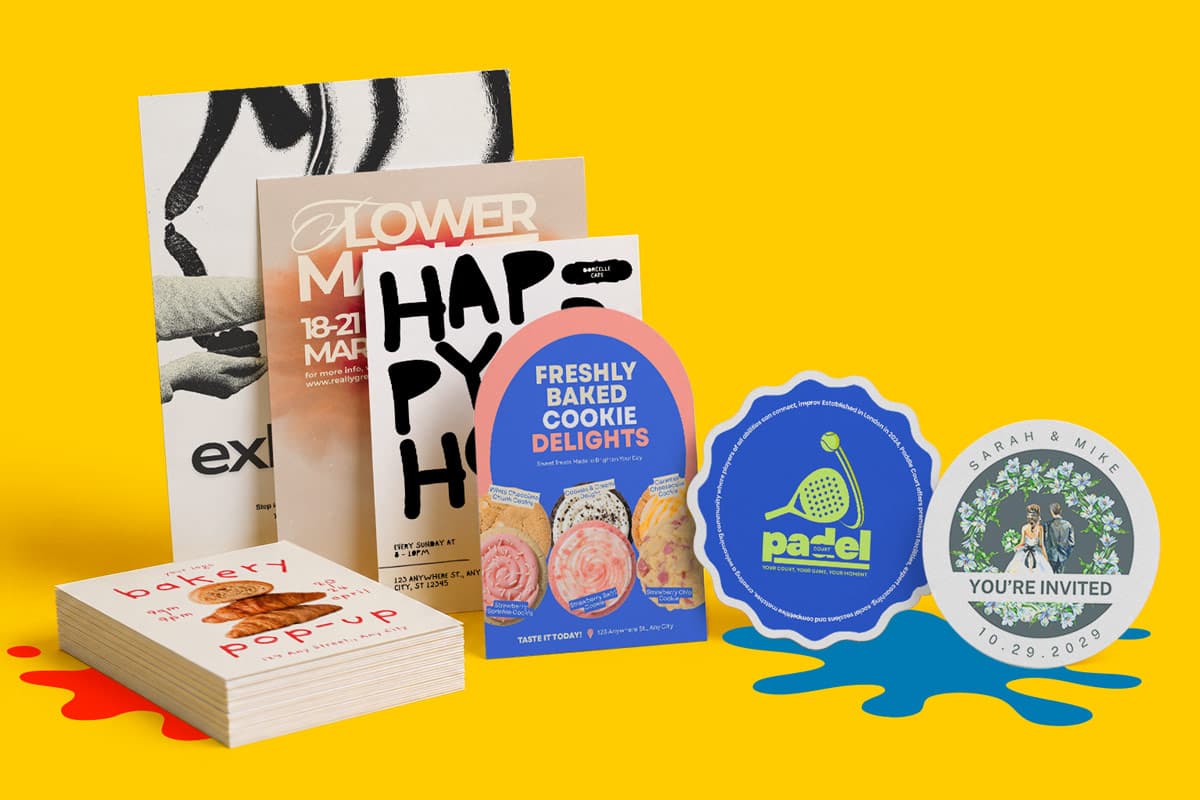
A round flyer interrupts expectation. A wavy edge stands out immediately before messaging is processed. An arch reframes how the design is meant to be interpreted. This is pattern interruption, but in physical form rather than digital noise. This is where the psychology becomes practical.
Marketing does not win because it is the most detailed or most polished. It wins because it is the easiest to recognise at the moment of decision.
That means small changes in convention can have a disproportionate impact on attention. This applies directly to print marketing decisions. Instead of relying only on layout and messaging, brands can use the format itself as a recognition tool.
Custom shape flyers take the principle of distinctive assets and apply it directly to print marketing. Instead of solely relying on messaging or visual design, the shape itself becomes part of the communication. For example:
In each case, the format supports the message rather than sitting underneath it. This is what makes shaped print more memorable than standard formats.
The most consistent finding across branding research is simple:
Distinctive assets are not aesthetic decisions. They are cognitive shortcuts that allow the brain to retrieve a brand quickly under pressure. And, in crowded environments, speed is often the deciding factor.
Sometimes that comes from colour. Sometimes, repetition. Sometimes packaging. And sometimes? It is as simple as shape.
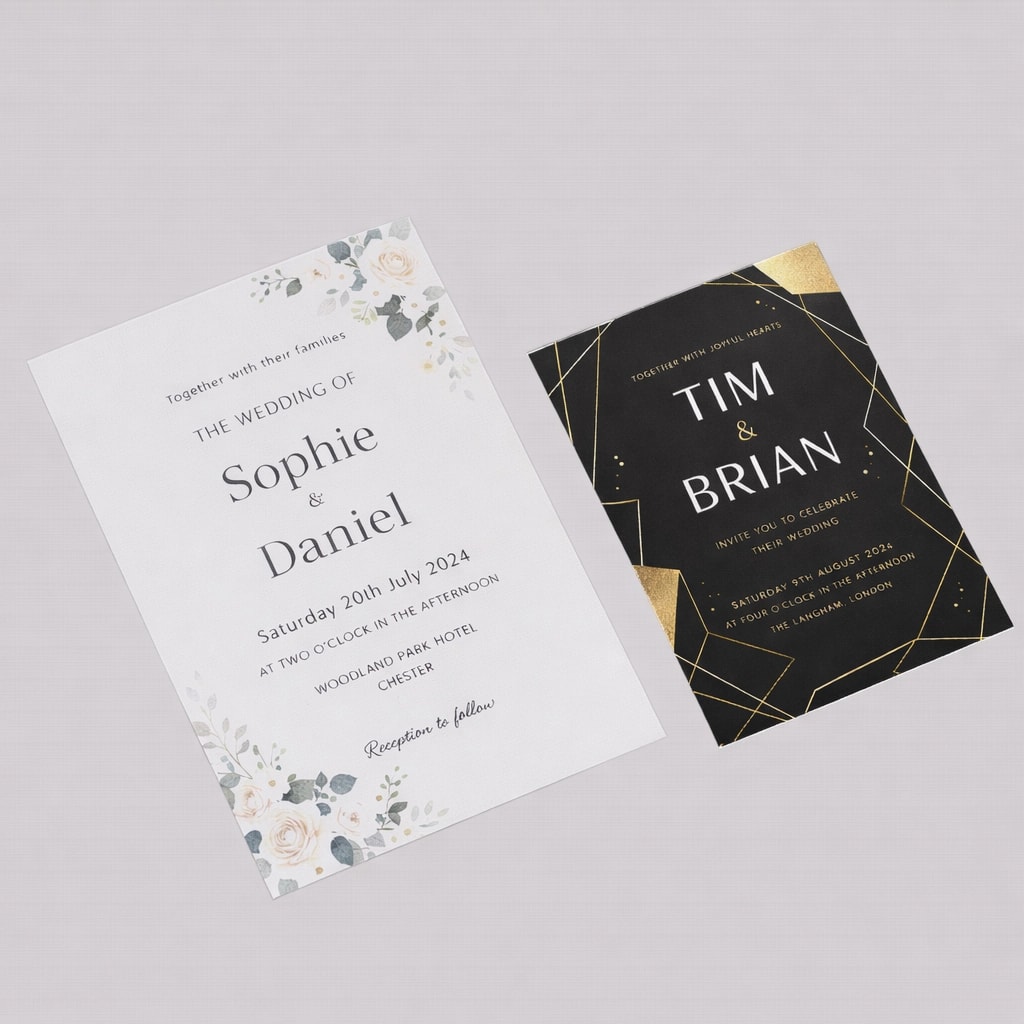
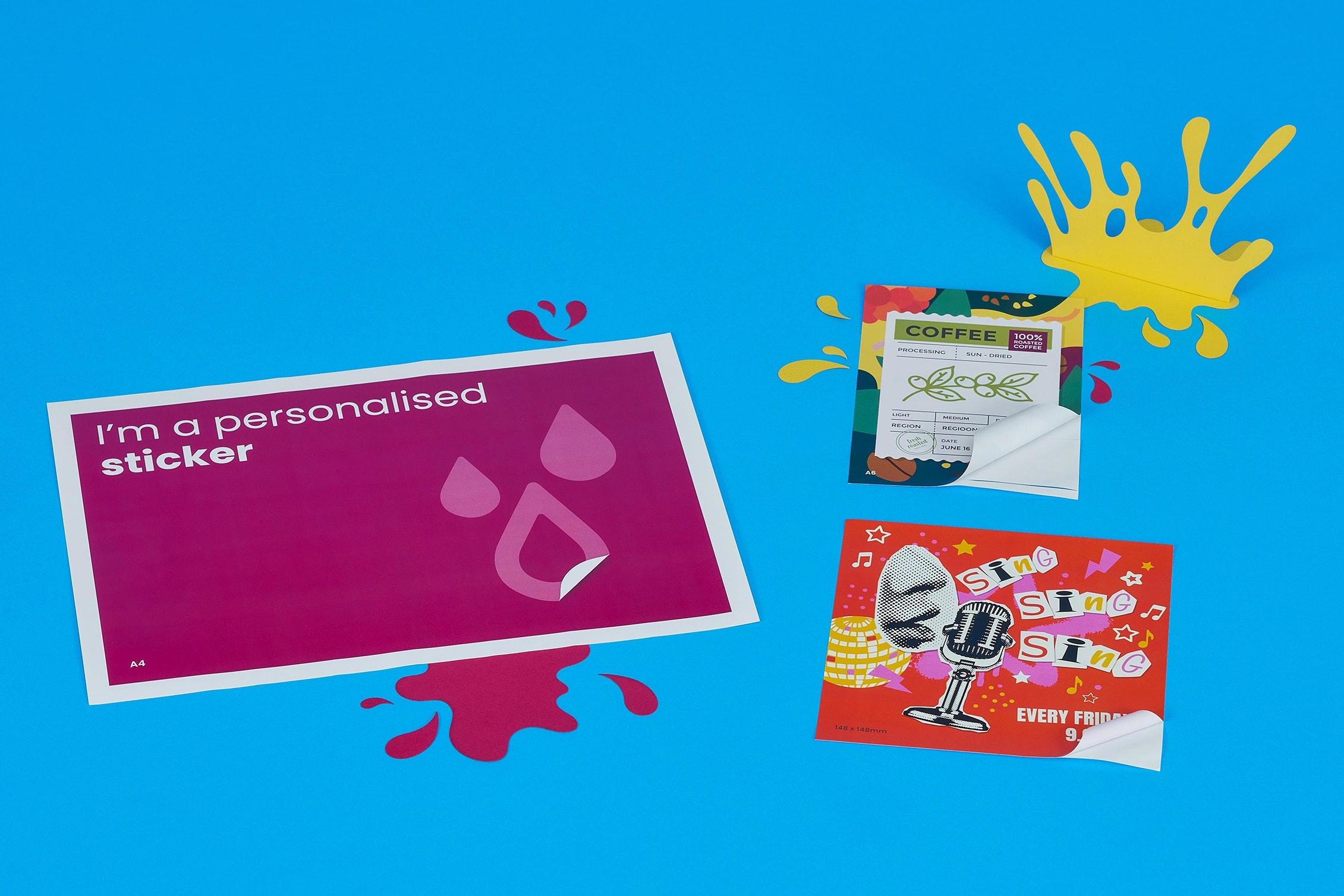
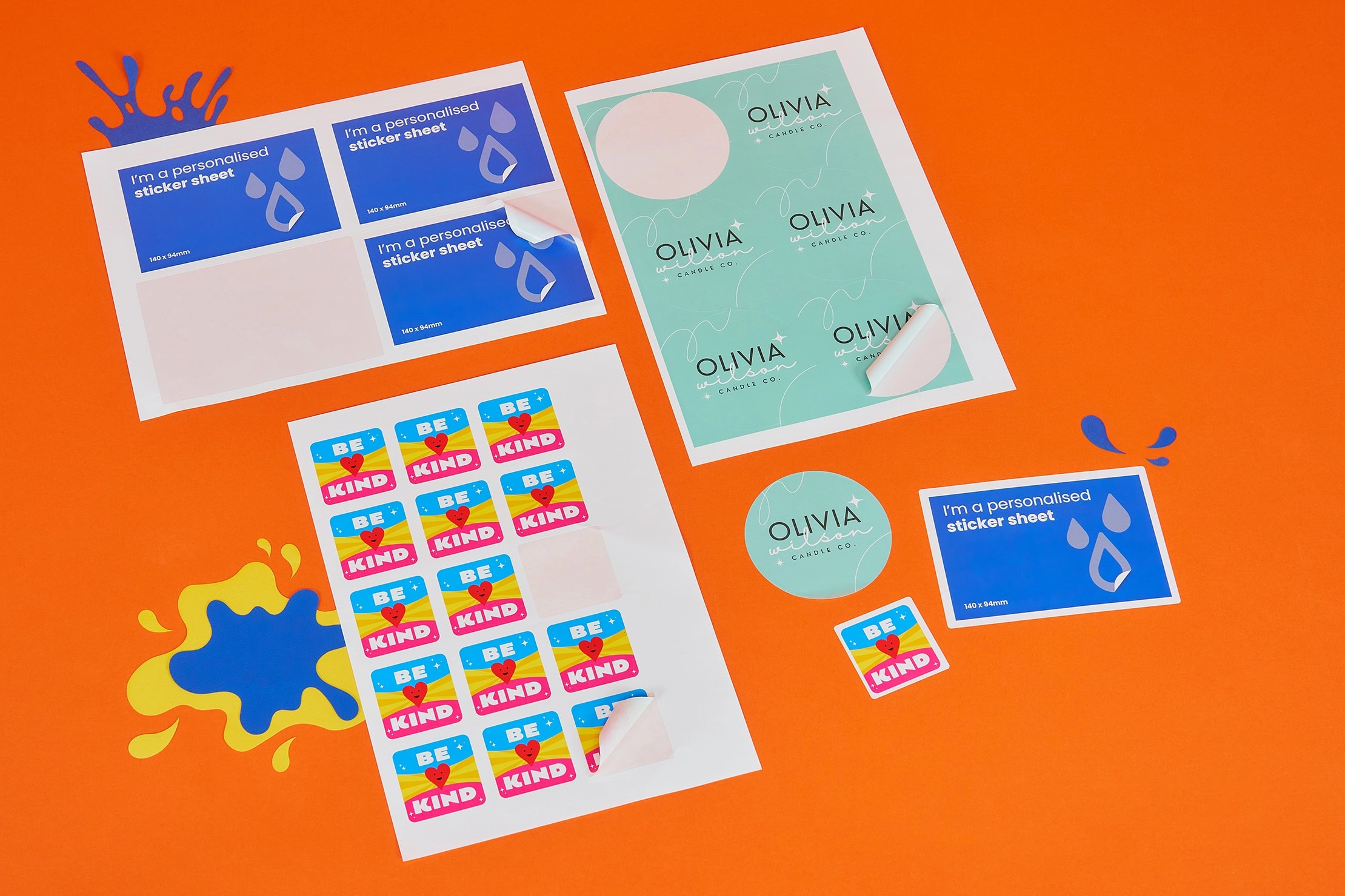
If everything is a rectangle, maybe yours shouldn't be. Explore custom shape flyers, die cut stickers and bespoke shape invitations that turn attention into recognition.
Posted on June 26, 2026 by Miller Lane-Williams
Related topics: