Prices
In a world filled with notifications, pop ups, emails, social feeds and search results, print offers something different. It gives people a moment of focus. It creates something tangible. It puts a message directly into someone’s hands, home or workspace.
That’s why print hasn’t disappeared in the digital age. In many ways, it’s become more valuable.
Digital marketing is fast, flexible and measurable, but it’s also crowded. Traditional print gives brands another way to be noticed, particularly when it’s planned with purpose and used alongside online activity.
Most people spend a large part of the day looking at screens. Ofcom’s Online Nation 2025 report found that UK adults now spend an average of four and a half hours online each day, up by 10 minutes on the previous year.
For businesses, that creates a challenge. Customers are online, but so is almost every other brand competing for their attention. Emails can go unread. Paid ads can be skipped. Social posts can vanish from feeds within minutes.
Print works differently. A leaflet on a doormat, a brochure on a desk or a booklet in a customer’s hands doesn’t depend on an algorithm. It has a physical presence. It can be picked up, put down, returned to later and shared with someone else.
That doesn’t make print better than digital in every situation. It means print has a different strength. It can slow the interaction down and give the message more space to be absorbed.
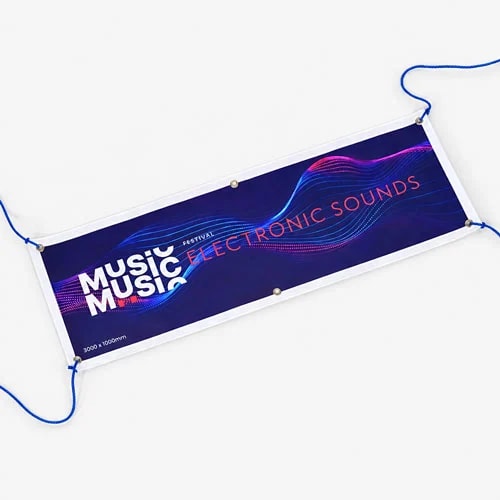
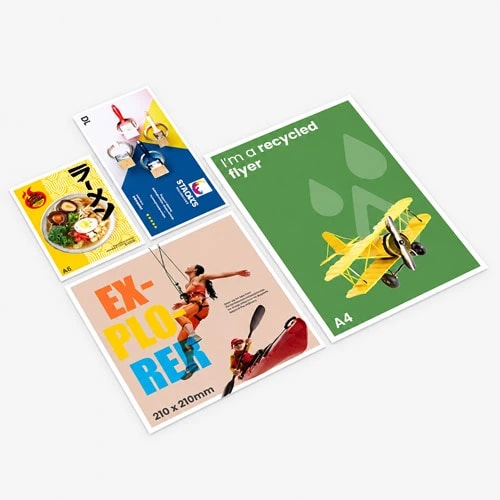
Traditional marketing refers to activity that reaches customers without relying on the internet. From posters, banners and billboards to leaflets, flyers, brochures, business cards, menus, catalogues, direct mail, door drops and printed signage, it gives businesses a physical way to be seen, remembered and acted on.
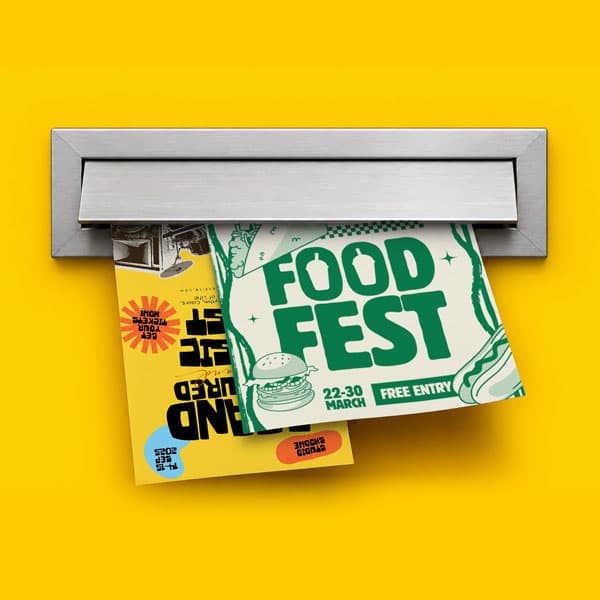
For local businesses in particular, printed marketing can be incredibly useful. A restaurant can promote a new menu to nearby homes. A gym can reach people in the local area with an introductory offer. A tradesperson can build recognition in the neighbourhoods they serve.
Door drop marketing is a strong example because it reaches people in a specific location. Unlike a digital ad, it doesn’t rely on someone searching for your service at that exact moment. It lands in their home and gives your brand a physical touchpoint.
According to JICMAIL’s Q2 2025 results, the average door drop generated 3.1 interactions, reached 1.05 people per household, lasted around 6 days and received 60 seconds of attention. That makes print more than a one second impression. It gives customers time to notice, consider and act.
One of the biggest misconceptions about traditional print is that it only builds awareness. In reality, it can also encourage measurable action.
The DMA and JICMAIL Door Drop Report 2025 found that door drops achieved an average response rate of 0.5% across 2021 to 2024 data, with £2.90 returned for every £1 spent.
For businesses, this is where print becomes especially useful. A leaflet, flyer or brochure can guide people towards a clear next step, such as visiting a website, scanning a QR code, booking an appointment, redeeming an offer or visiting a store.
The key is to make that action obvious. A strong printed campaign should include:
When print is treated as part of the customer journey, rather than a standalone item, it can support both offline and online results.
Traditional print isn’t just holding its ground in marketing. It continues to play a major role in publishing too.
The Publishers Association reported that UK publishing revenue reached £7.4 billion in 2025. In the consumer publishing market, print accounted for 79% of revenue, showing that physical books remain a preferred format for many readers.
This is important because it shows people haven’t rejected print in favour of digital formats. Readers still value the feel of a book, the ease of reading without a screen and the sense of ownership that comes with something physical.
The same principle applies to marketing. A printed brochure, catalogue or booklet can feel more considered than a quick digital message. It gives customers something they can browse at their own pace, especially when they’re comparing products, planning a purchase or making a decision that needs more thought.
Digital communication is convenient, but it can also feel temporary. A printed item often feels more deliberate.
A birthday card feels different from a text message. A printed invitation feels more memorable than a calendar invite. A well designed brochure can feel more premium than a web page someone only views for a few seconds.
This sense of care matters in business. Print can help brands create a stronger impression because it appeals to more than sight alone. Texture, paper choice, finish, size and format all shape how the message feels.
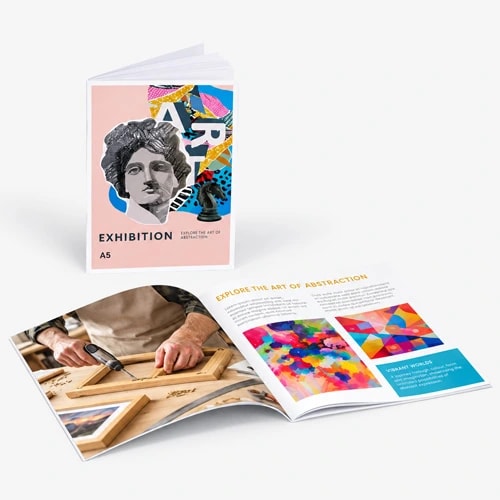
That’s why products such as business cards, brochures, postcards and booklets still work. They don’t just carry information. They communicate quality, personality and trust.
The strongest marketing strategies don’t usually choose between print and digital. They connect the two.
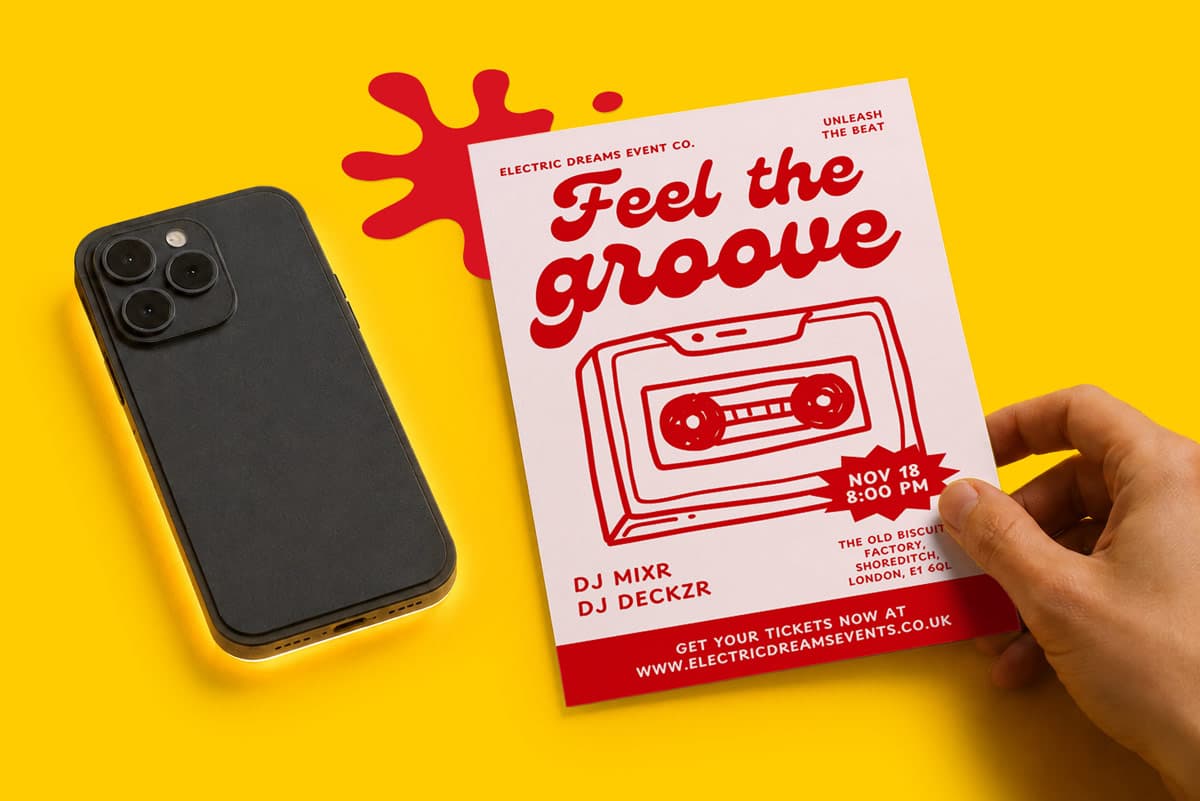
A printed leaflet can send people to a landing page. A catalogue can support an online product range. A postcard can promote a discount code. A brochure can introduce a service before a follow up email campaign. A business card can include a QR code that links to a portfolio, booking form or contact page.
This joined up approach helps businesses reach customers in more than one way. Print creates the physical touchpoint. Digital makes the next step quick and trackable. Used together, they can support awareness, engagement and conversion across the full customer journey.
Traditional print thrives because it offers something digital can’t always provide. It’s tangible. It’s focused. It’s trusted. It gives customers something to hold, keep and revisit.
For businesses, that makes print a valuable way to stand out in a crowded market. Whether you’re promoting a local service, launching a new product, sharing a menu, creating a catalogue or building brand awareness, printed marketing can give your message more staying power.
Digital marketing may dominate many channels, but print still has an important place. Not because it replaces online activity, but because it adds something customers notice.
In a busy digital world, the brands that stand out are often the ones that give people something real to remember.
Posted on June 30, 2026 by WTTB
Related topics:
£38.46
£17.48
£17.86
£17.71
£51.01