Prices
Event signage has a big job to do. It needs to attract attention, guide visitors, promote your brand and help people understand where to go, often in busy spaces where they only have a few seconds to take everything in.
From roller banners and display boards to flags, flyers, strut cards and large format graphics, print can shape the way people experience an event. But when signage is rushed, overordered or designed for one use only, it can also create unnecessary waste.
Making event signage more sustainable doesn’t mean removing print from your plans. It means thinking more carefully about what you need, where it’ll be used, how long it needs to last and whether it can work beyond a single date. UK Government waste hierarchy guidance puts waste prevention first, followed by reuse and recycling, which makes planning, reusing and choosing responsibly a useful place to start.
Before choosing materials or ordering print, think about what each piece of signage needs to do.
Some signs are designed to attract attention from a distance. Others are there to direct visitors, explain offers, support a stand, promote a product or make a space feel more branded. When every sign has a clear purpose, it’s easier to avoid overprinting and choose the right format for each job.
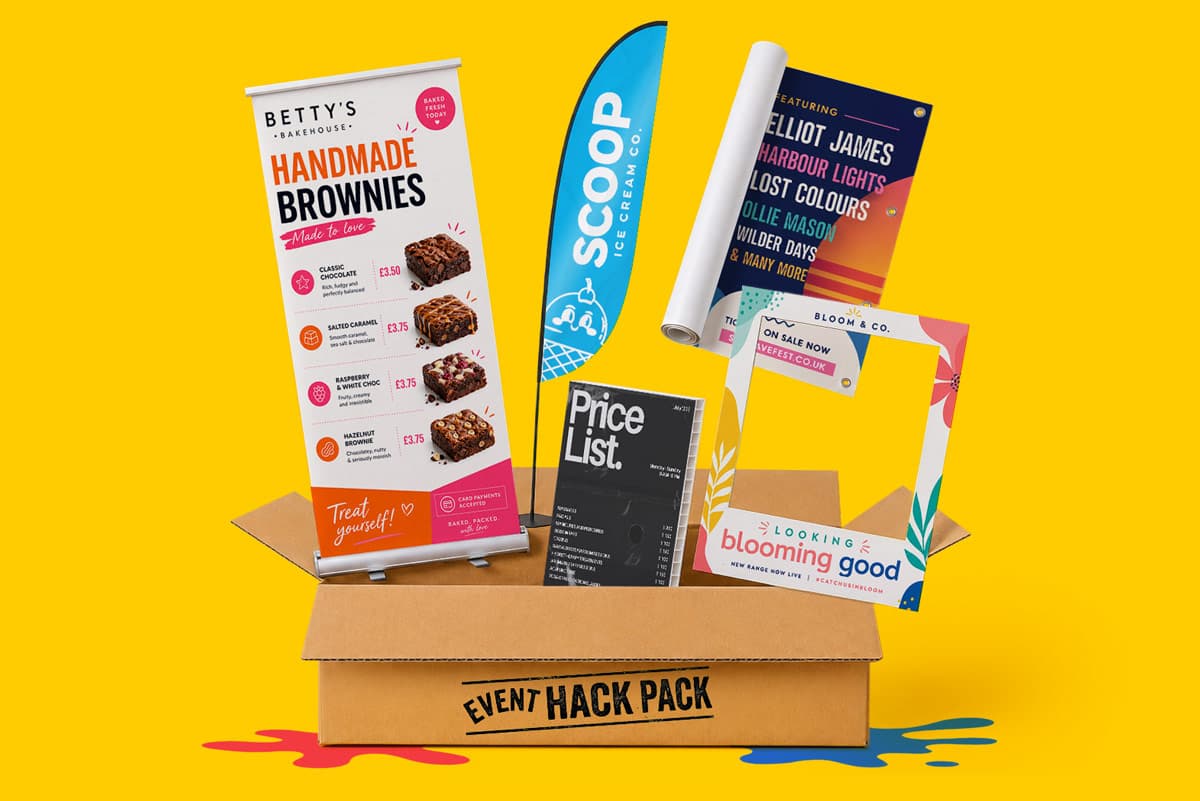
It can also help to think about the event space in layers. Larger display pieces such as flags, boards or roller banners can create visibility from a distance, while smaller items such as strut cards, leaflets, brochures and table top signage can support conversations once people are closer to your stand. This helps each format do a specific job, rather than asking one piece of print to do everything.
A simple event print plan might include:
This approach helps you avoid ordering print just because it “might be useful”. Instead, every item has a clear role in the event setup.
One of the simplest ways to make event signage more considered is to design it for more than one outing.
Date specific signage has its place, especially for ticketed events, seasonal campaigns and limited time promotions. But if you’re attending multiple exhibitions, markets, conferences or trade shows, some of your print can be designed as evergreen brand material.
Instead of building every banner around one event, consider using copy that focuses on your brand, service, product range or customer benefit. This can make it easier to reuse display items at future events, retail spaces, pop up stands and sales meetings.
For example, a roller banner with your core message, website and QR code is likely to have a longer shelf life than one built around a single show date. The same applies to display boards, table talkers, strut cards and branded backdrops.
Reusable print doesn’t need to feel generic. It just needs to be flexible enough to work beyond one occasion.
A more sustainable print decision isn't always about choosing the same material every time. It’s about choosing something that fits the environment, expected use and lifespan of the display.
Indoor events may give you more flexibility with lightweight materials, cardboard based displays and paper based signage. Outdoor events usually need more durable options that can cope with wind, handling and weather. High traffic exhibitions may need stronger display materials that can be packed, moved and used again.
The right choice depends on questions like:
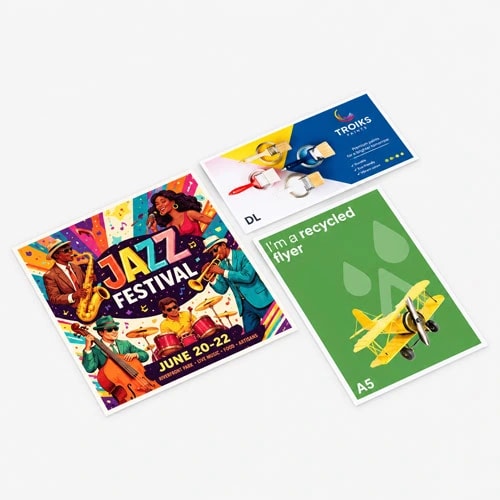
The format matters as much as the material. A display board might be better for a rigid, reusable message, while a flyer or leaflet can work well when visitors need something to take away. Strut cards, posters and table talkers can support smaller spaces where a full display setup isn't needed. Choosing the right format can help reduce unnecessary print while making the event space easier to understand.
WTTB’s Print Materials Hub can help customers compare different print materials, including paper stocks, display boards and large format options.
For indoor events, cardboard and paper based signage can be a practical choice when you want lightweight displays that are easy to transport, set up and recycle where local facilities allow.
This could include paper based display boards for stand graphics, table top messaging or directional signage, as well as leaflet holders that help keep printed handouts organised and easy for visitors to pick up. These smaller display details can make an event space feel clearer and more considered without needing a larger display item for every message.
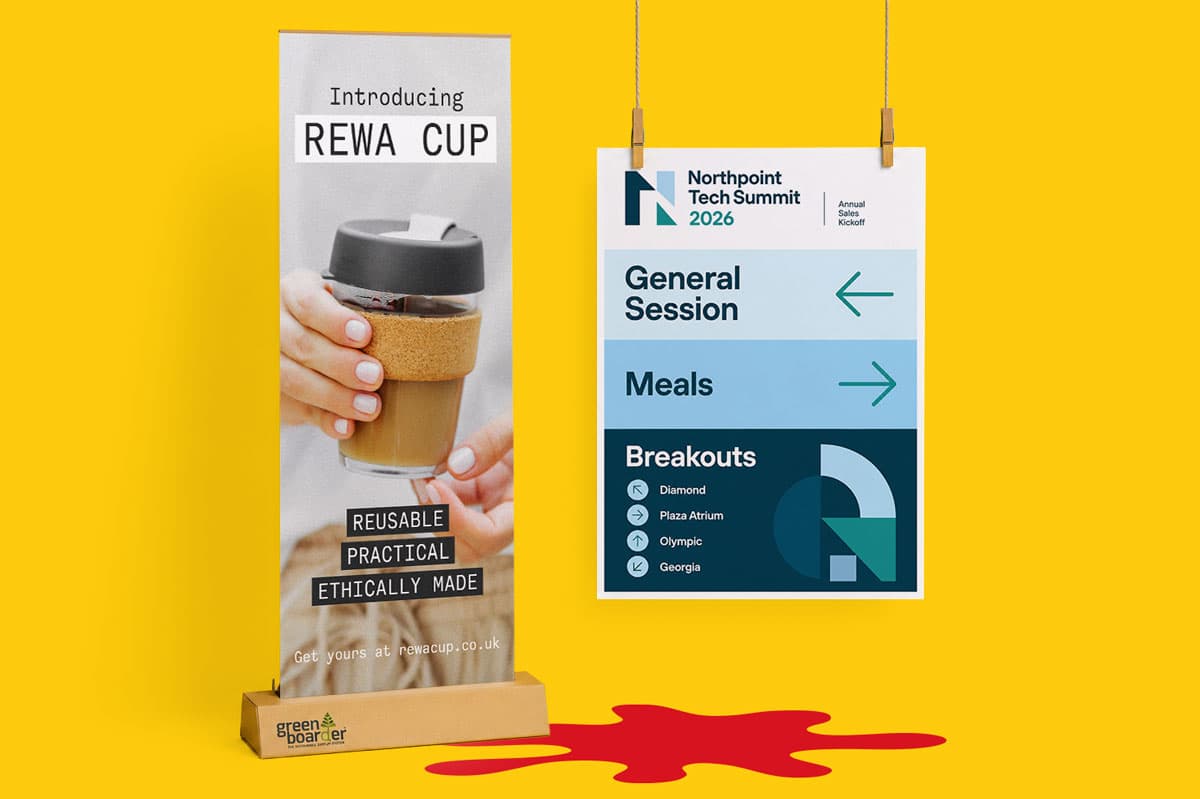
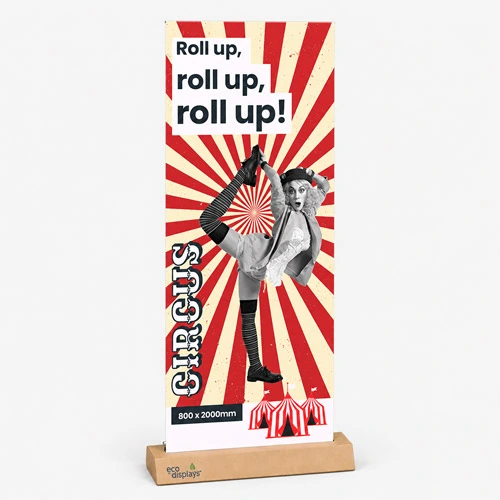
Our eco friendly roller banners are made with a cardboard cassette, cardboard poles and a 170gsm silk paper graphic, making them a useful option for indoor displays, exhibitions, retail spaces and short term promotional setups.
They’re not the answer for every event. If your signage needs to withstand heavy handling, repeated transport or outdoor conditions, you may need a more durable display option. But for many indoor campaigns, cardboard and paper based display can give you a cleaner, lighter way to present your message.
The key is to be realistic about where and how each item will be used. A more considered choice is one that suits the job, rather than one chosen only because it sounds greener.
A lot of unnecessary print waste starts before anything reaches production. Last minute changes, missing bleed, low resolution images and unclear artwork can all cause delays, reprints or avoidable issues.
Good artwork setup helps the print process run more smoothly and gives your finished signage the best chance of looking right first time.
Before ordering event signage, check that:
If you’re creating artwork in Canva, our Canva Print Hub can help you prepare files for print. You can also use our Support Guides for product specific artwork setup advice.
Sustainable event signage isn't only about materials. It’s also about making sure the print you order actually does its job.
A cluttered banner with too much information can be harder to read, easier to ignore and less useful once the event is over. Clearer design often works better and can make signage easier to reuse.
For larger display items, focus on one main message. Use a strong headline, short supporting copy and a clear call to action. Keep detailed information for leaflets, brochures, QR codes or follow up conversations.
This matters because event visitors are usually moving, browsing or being pulled between stands. Your signage needs to work at a glance.
For display products such as roller banners, flags and boards, think in layers:
When your signage is easier to understand, it’s more likely to be kept, reused and valued.
Overordering is one of the easiest ways to create waste, especially with event handouts.
It can be tempting to print more “just in case”, but a better approach is to think about realistic footfall, event type and how the printed item will be used. A flyer that’s handed out to everyone needs a different quantity from a brochure reserved for warm leads.
For events, it can help to separate print into three groups:
This makes it easier to decide what deserves a higher quantity and what could be ordered in smaller volumes.
For repeat events, keep a note of what was actually used. Over time, that gives you a more accurate view of what to order next time.
It’s also worth separating reusable print from event specific print before you order. Brand messages, contact details, product ranges and general service information can often be used again, while date led offers, event maps or limited promotions may only be useful once. Planning those separately can help you avoid reprinting core materials every time.
QR codes can help reduce the amount of printed information needed on signage, especially when they link to menus, booking pages, product ranges, maps, forms or digital brochures.
That said, a QR code should not replace a clear printed message. People still need to know why they should scan it.
A good event sign might use a simple headline, a short benefit and a QR code that leads to more detail. This keeps the printed design clean while giving interested visitors a way to continue the journey.
When using QR codes, make sure they’re large enough, tested before print and placed somewhere easy to scan. If the sign will be viewed from a distance, use a short URL as a backup where space allows.
Transport can have a big impact on how useful your event signage feels in practice.
Lightweight, compact display options can be easier to move between venues, especially for smaller teams, solo exhibitors or businesses attending multiple events. Foldable, flat packed or portable signage can also be easier to store between uses.
Before ordering, think about who’ll be setting up the stand, how they’ll get to the venue and where the print will be kept afterwards. A display item that’s easy to transport is more likely to be reused.
This is where products like roller banners, strut cards, display boards and lightweight signage can work well. They’re practical, visible and can be chosen to suit different event spaces.
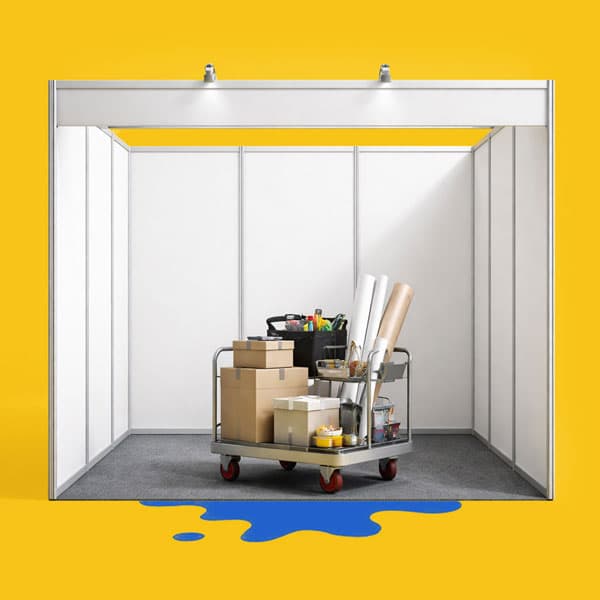
If you attend events regularly, it’s worth creating a reusable event print kit rather than starting from scratch every time.
This might include:
You can then add event specific items only when needed, such as limited time offers, seasonal promotions or campaign materials.
This approach helps your event setup stay consistent while reducing the need to reorder everything for every exhibition, trade show or pop up.
Event signage still needs to do what print does best. It needs to stand out, build trust and help people connect with your brand in the real world.
The goal isn't to make every choice perfect. It’s to make better, more informed decisions. That could mean choosing a recyclable cardboard display for an indoor event, designing a roller banner you can reuse, ordering fewer handouts, using QR codes to reduce clutter or selecting a more durable material because it’ll last across several events.
A more sustainable event print plan considers the full picture: material, purpose, quantity, lifespan, setup, reuse and end of life.
Whether you’re preparing for a trade show, local event, conference, retail activation or pop up space, the right signage can help your setup feel clearer, more professional and easier to navigate.
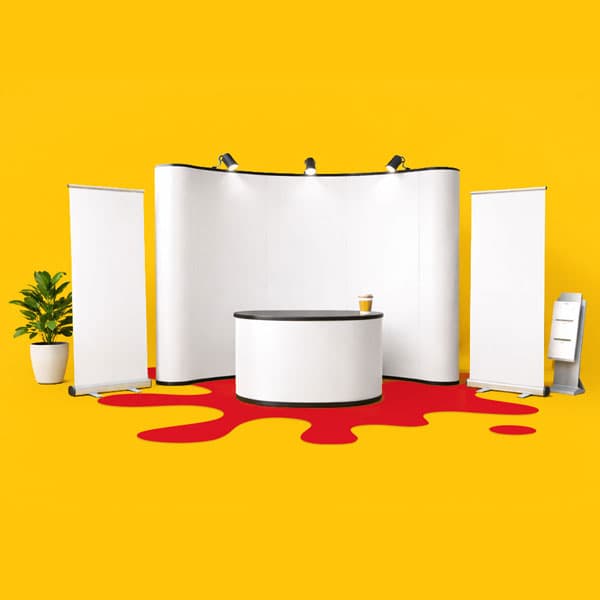
WTTB’s Events and Exhibitions Hub brings together print options for different event spaces, from larger display pieces to smaller supporting materials. You can also use the Print Materials Hub and Support Guides to compare options, prepare your artwork and plan your event print with more clarity.
Posted on July 14, 2026 by Emma Thompson
Related topics:
£88.65
£15.75
£25.69
£25.58