Prices
Stickers are easy to overlook, but for print resellers and designers, they can create useful opportunities within the orders customers are already placing. With 72 percent of businesses seeing custom stickers as a cost-effective way to enhance branding and engagement, they offer a simple way to add value across packaging, promotion and presentation. From packaging seals and product labels to campaign extras and branded inserts, stickers can help turn a simple print request into a more complete solution.
The opportunity often starts with the work customers are already asking for. A small business ordering packaging may also need branded seals. An event organiser planning flyers may need promotional stickers. A product-based customer may need labels, QR codes or finishing touches that help their items look more polished.
The key is not to treat stickers as an extra for the sake of it. It is about spotting where they can make the customer’s existing project more useful, more complete or easier to manage.
Stickers are a simple product for customers to understand, which makes them easier to introduce alongside wider print orders. They can support packaging, product labelling, events, retail campaigns, ecommerce orders and branded giveaways, often without the customer needing to rethink the whole project.
They also work across different order types. Some customers may need a one-off run for a campaign, event or seasonal launch. Others may need repeat orders for product labels, packaging seals or ecommerce packing. That flexibility makes sticker products a useful option when you want to add value without making the conversation feel complicated.
A useful way to spot sticker opportunities is to look at what the customer is already ordering. Their main print request often points to the type of sticker product that could support it.
If a customer is ordering packaging, they may also need branded seals, product labels or QR code stickers. If they are ordering postcards or flyers, they may be sending them with parcels, handing them out at events or using them to promote a campaign, which could open the door to Precut Stickers as a supporting item.
For retail customers, stickers can support sale messaging, product labelling, packaging updates or seasonal ranges. For event customers, they can work as entry stickers, promotional handouts or campaign extras. For ecommerce customers, they can add consistency to parcels, labels and customer inserts.
If a customer is ordering posters, menus, event print or retail displays, there may also be a need for window or floor stickers to support in-store messaging, wayfinding, promotions or customer guidance.
By starting with the purpose of the order, you can suggest sticker products in a way that feels relevant and useful, rather than simply adding another item to the quote.
Once you have spotted the opportunity, the next step is choosing the right format for the job. Different sticker products suit different uses, so it helps to think about how the customer will apply them, store them or include them with their wider print order.
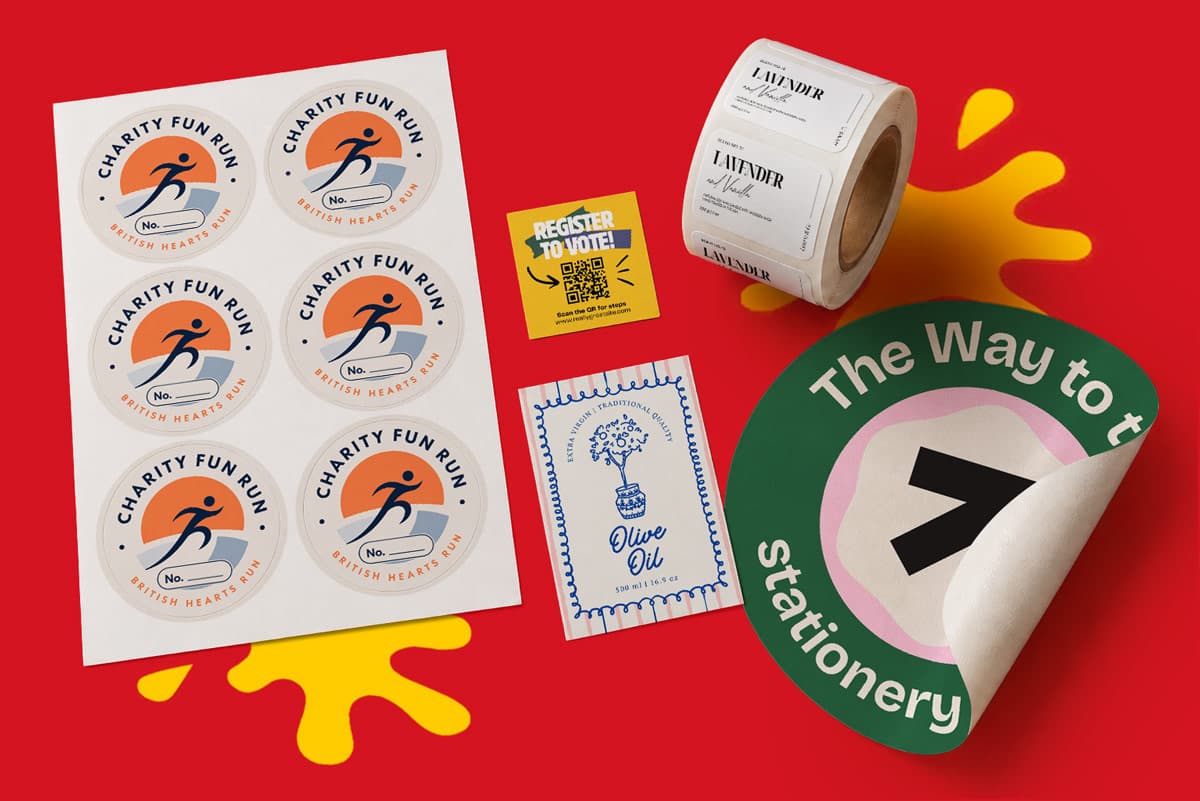
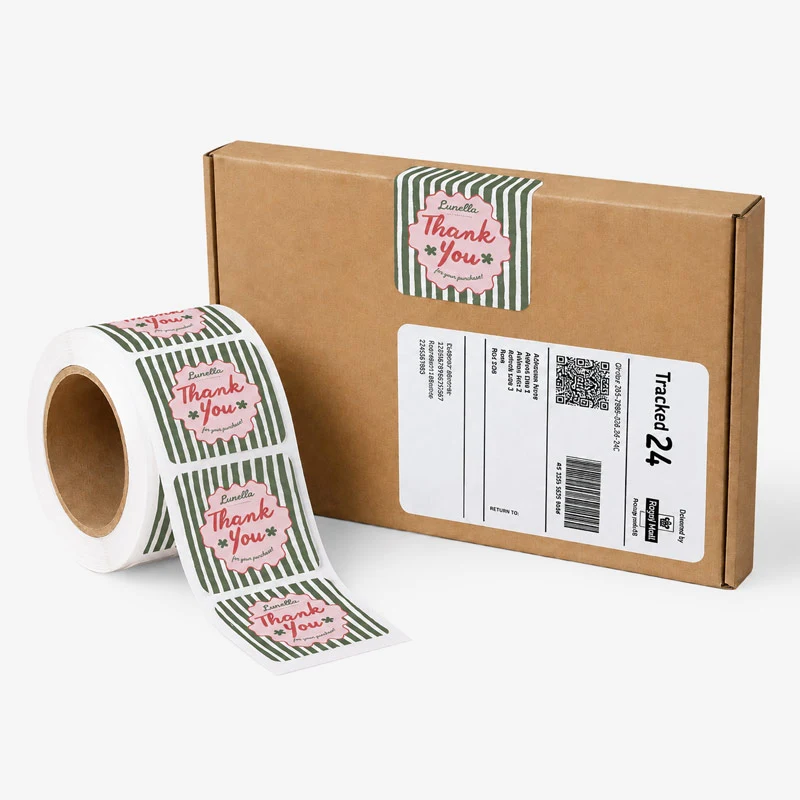
Sticker Rolls are a strong fit for customers who need to apply the same design regularly and at volume. They work well for packaging seals, product labels, ecommerce packing, thank you stickers and repeat order fulfilment. For customers packing multiple orders, labelling batches or using the same branded detail across a product range, the roll format keeps things simple and consistent.
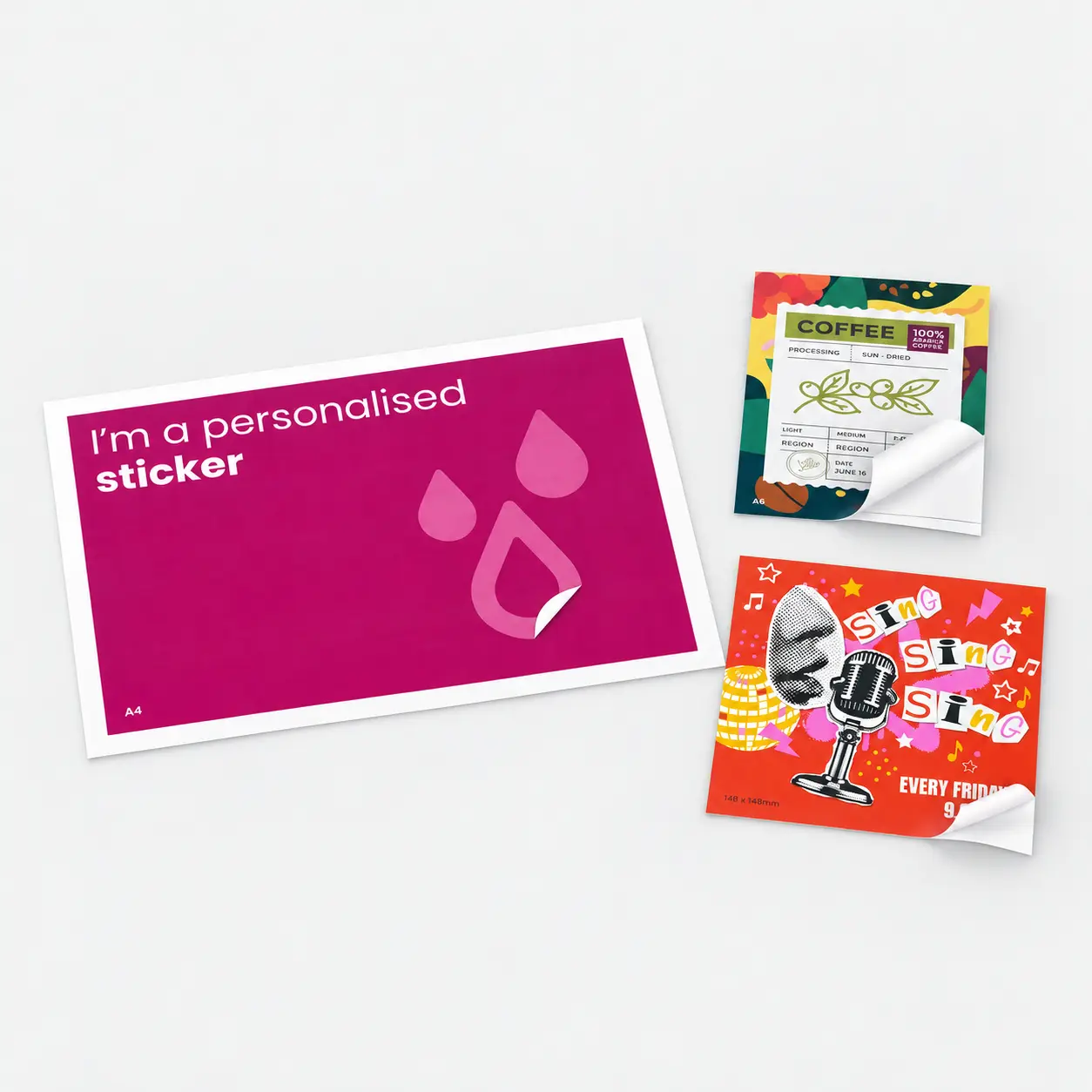
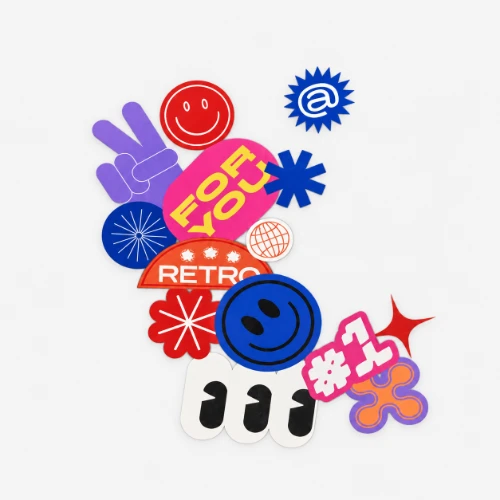
Precut Stickers are better suited to individual use. They are ideal for campaign stickers, giveaways, event handouts, product inserts and branded extras that customers can give away, sell or include in orders. If a customer wants one design to stand alone, this format is often the clearer option.
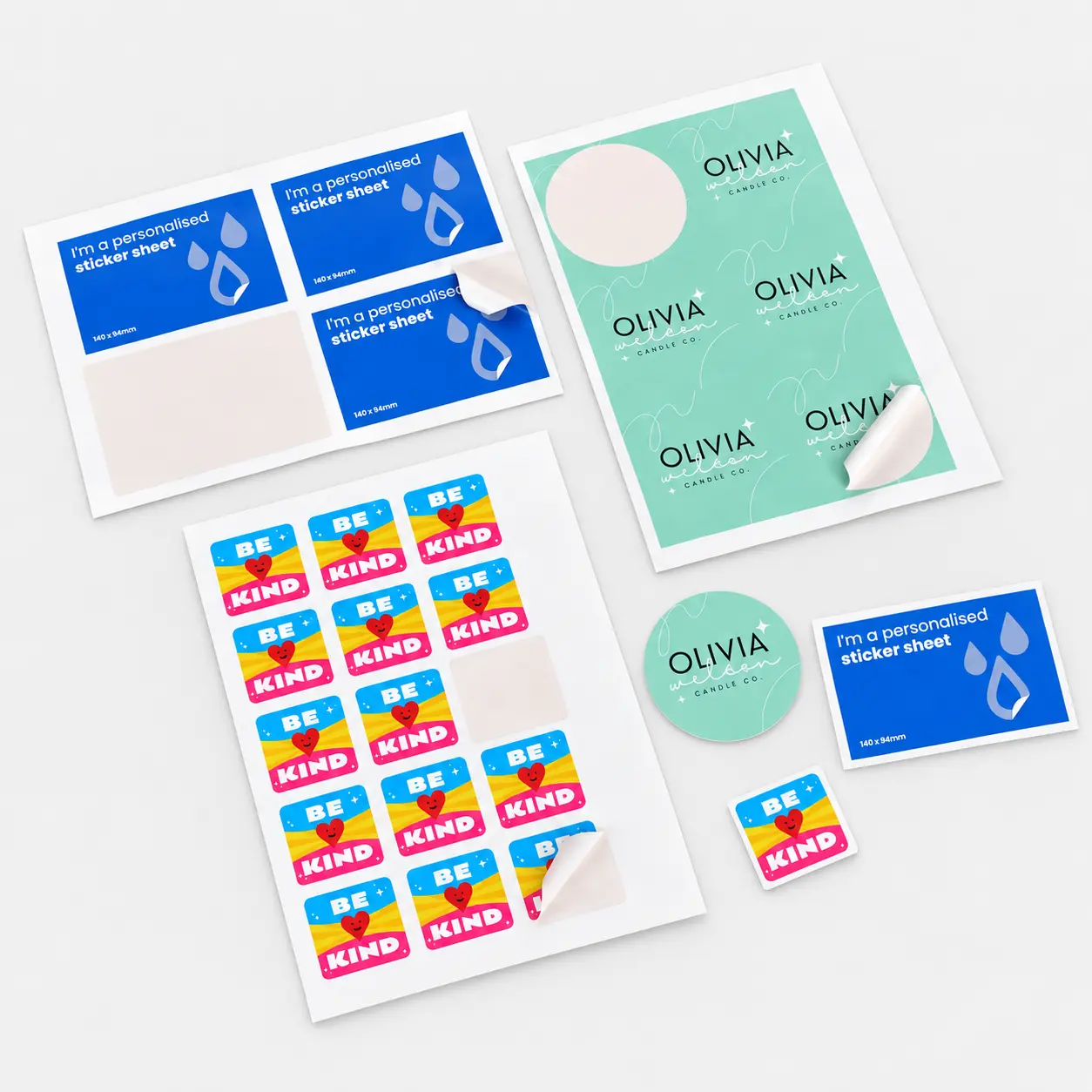
Sticker Sheets work well when customers need the same design supplied in a neat, easy-to-manage format. They can be useful for product labels, packaging stickers, address labels, QR code labels, loyalty stickers or smaller repeat-use jobs where a sheet format is easier to store, handle or distribute.
Sticker opportunities often become easier to spot when you group customers by what they are trying to achieve. Many businesses use stickers without thinking of them as a separate print need, so there is value in recognising where they naturally fit.
For packaging and ecommerce customers, such as Etsy sellers, makers and product-based brands, stickers can support the full order experience. Packaging seals, thank you stickers, product labels, care labels, QR code stickers, display cards, tags and branded extras can all help make parcels feel more complete.
Food, drink and hospitality customers may need stickers for flavours, ingredients, takeaway packaging, loyalty promotions, seasonal ranges, window offers or floor messages. Cafés, bakeries, restaurants and food producers often need flexible print that can support regular products as well as limited-time promotions.
Retail, beauty and lifestyle businesses can use stickers across products, packaging and customer spaces. Sale labels, gift wrap seals, product tags, jar and bottle labels, sample packs, appointment stickers, Window Stickers and Floor Stickers can all support how their products and spaces are presented.
For events, campaigns and organisations, stickers can work well as practical, visible print. Entry stickers, campaign handouts, QR code labels, floor directions, sponsor print, reward stickers, fundraiser labels and awareness messages can all help customers communicate clearly without overcomplicating the wider project.
The common thread is that stickers often support something the customer is already doing. When you understand their sector and the purpose behind the order, it becomes easier to suggest ideas that feel relevant, useful and commercially sensible.
Not every sticker opportunity sits on a product or parcel. Some customers may need stickers for the spaces their customers move through, such as shop windows, counters, floors, event venues or reception areas.
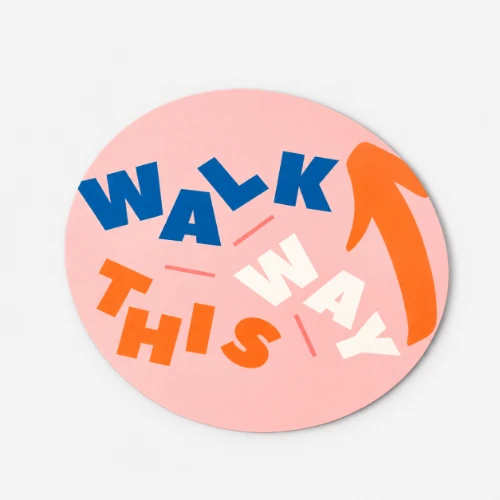
Window stickers and floor stickers can support offers, opening hours, wayfinding, queue guidance, seasonal promotions and branded environments. They are especially useful for retailers, cafés, salons, gyms, leisure venues, schools and event organisers, where clear messaging can help the space feel more professional and easier to navigate.
Packaging is one of the easiest places to spot sticker opportunities because many customers already need ways to brand, seal, label or finish their parcels. For ecommerce brands, Etsy sellers and product-based businesses, stickers can support both the practical side of packing and the overall customer experience.
A customer ordering mailer boxes, gift boxes, bag toppers, tags or display cards may also need branded seals, product labels or thank you stickers to complete the order. A business sending regular parcels may benefit from Stickers on a Roll because they are easy to apply during packing and help keep each order looking consistent.
For ecommerce and product-based customers, postcards and flyers can work as thank you cards, care cards, product inserts or repeat purchase prompts.
This makes packaging a useful starting point for wider conversations. If a customer is already thinking about how their order looks when it arrives, there may be an opportunity to suggest printed details that make the full experience feel more joined up.
Some customers will have print-ready artwork, but many will only have a logo, a rough idea or a few brand details. If you offer graphic design services, this can be a useful opportunity to upsell that support, especially when the customer needs artwork that fits a wider brand, campaign or packaging project.
For simpler jobs, or where the customer’s budget does not stretch to a full design service, pre-sized Canva templates can help make setup quicker. They give you the correct format from the start, so customer artwork can be dropped in, adjusted and prepared without setting up the file from scratch.
If a customer needs a little more visual direction, Canva’s design library can also be used with the templates as a starting point. It is not a replacement for professional design support, but it can be a practical way to handle lower budget requests, quick turnaround jobs or simple layouts while still keeping the final result clean and professional.
Sticker opportunities are easiest to introduce when they connect directly to the customer’s existing goal. Rather than leading with another product, start by asking how the print will be used, where it will be seen and what the customer needs it to do.
For example, if a customer is ordering packaging, you could ask whether they need branded seals, product labels or thank you stickers to support the finished order. If they are ordering flyers for an event, you could ask whether a campaign sticker or QR code label would help extend the message. If they are preparing a product launch, you could ask whether they need labels, inserts or finishing touches to bring the range together.
Simple questions can often reveal useful add-ons without making the conversation feel sales-led. Ask whether the item is being posted, displayed, handed out, sold in store or included with customer orders. Once you understand the purpose, it becomes much easier to suggest a sticker format that adds value.
Stickers may be small, but they can play a useful role in wider print orders. They can help customers finish packaging, label products, support events, promote campaigns and create more memorable customer experiences.
They can also lead naturally into other print and packaging conversations. A customer asking for packaging seals may also need postcards as thank-you cards, flyers as product inserts, tags for gift ranges, display cards for retail products or fuller packaging options such as mailer boxes, gift boxes and bag toppers.
By spotting where stickers fit, you can offer more complete print solutions that feel relevant to the customer’s order, while creating extra value from the work already coming through your business.
Posted on June 29, 2026 by Emma Thompson
Related topics: