Prices
If you’re at the beginning of your book creation journey, you’ll probably have a few questions about binding, format, finish and cost. The right choice doesn’t just depend on how your book looks, but how it will be used, handled, stored and remembered.
Hardback book printing is usually more expensive than paperback book printing, but it also gives you a stronger, more premium finish. If your book needs to feel durable, giftable or worth keeping, a hardback book can be a great investment.
Printed books continue to hold an important place in publishing too. According to the Publishers Association, print is still the preferred format in the consumer market, accounting for 79 percent of revenue in 2025. That shows that even in a digital world, there’s still strong demand for books that readers can hold, collect and return to.
Whether you’re printing a novel, portfolio, memoir, yearbook, photo book, recipe book or coffee table book, this guide covers what you need to know about hardback books before you order.
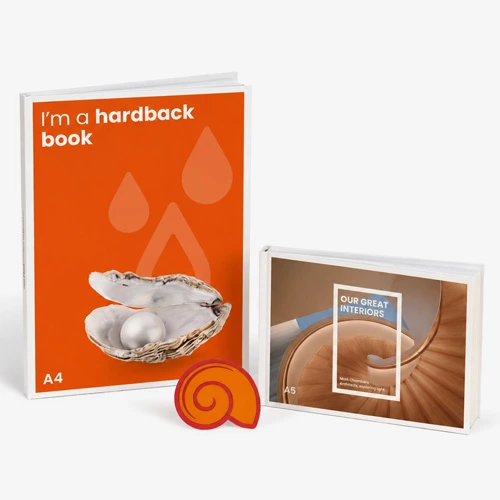
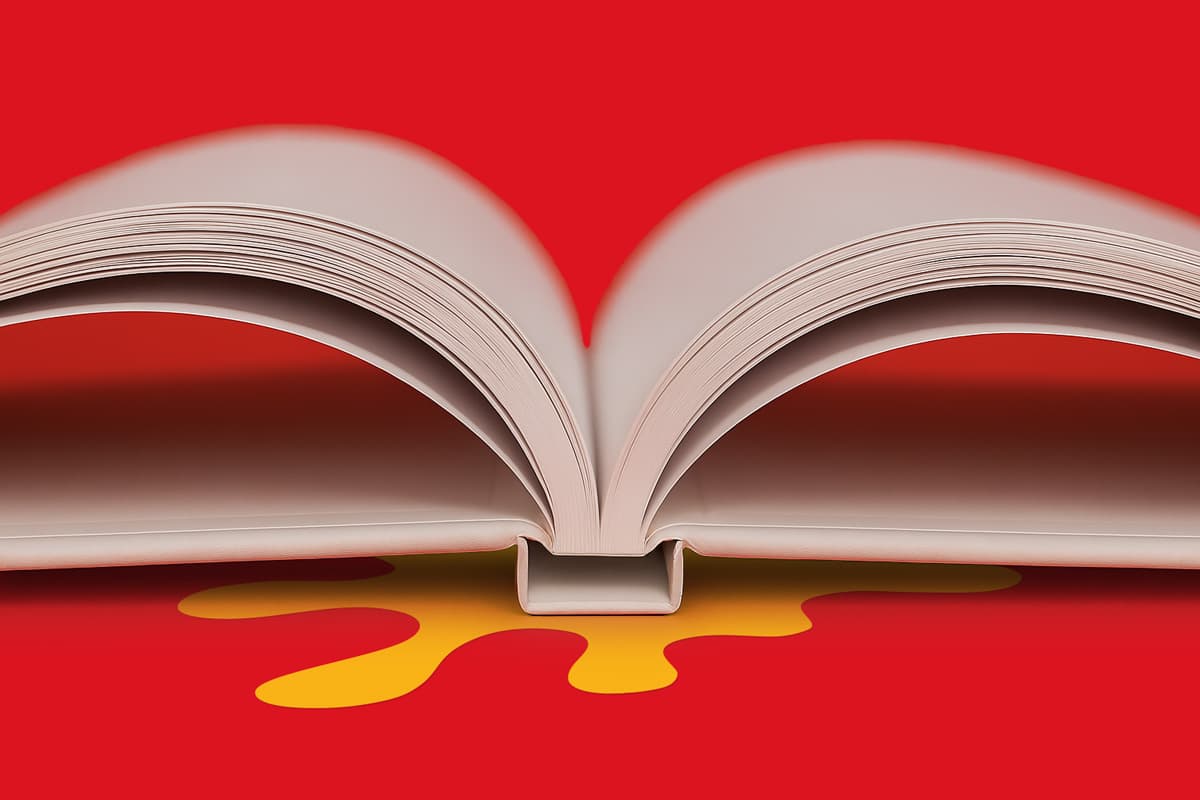
A hardback book, also known as a hardbound book, is a book bound with a rigid outer cover. This strong cover protects the inner pages and helps the finished book keep its shape over time.
Hardback books can include a printed cover design directly on the case, or they can be finished with a removable dust jacket. They’re often chosen for projects that need a professional, high quality or long lasting finish, such as novels, photo books, premium publications, brand books and limited edition titles.
Because hardback books use stronger materials and a more involved binding process, they’re usually more costly and time consuming to produce than paperback books. The result, however, is a book that feels more substantial, durable and polished.
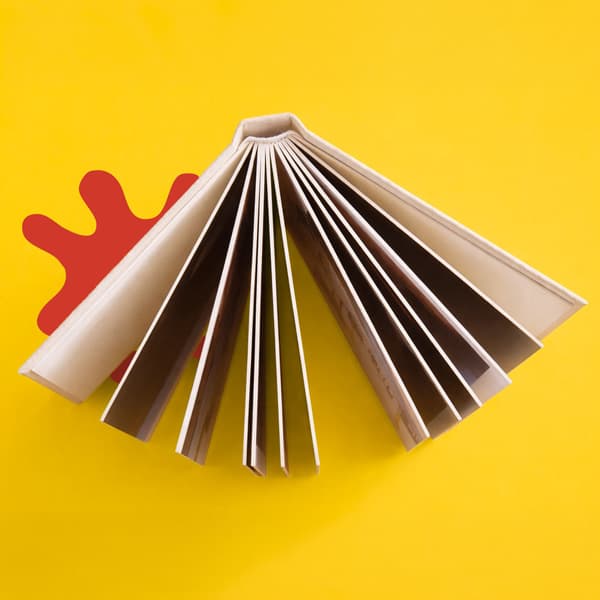
Most hardback books are created using a case bound construction. The printed inner pages are gathered together to form the text block, then attached to a rigid outer case made from strong board. This case is wrapped with a printed cover material, which can then be laminated or finished depending on the look you want to achieve.
The spine is one of the most important parts of hardback book setup. It needs to match the final page count and paper choice, because thicker paper and higher page counts create a wider spine. If the spine is too narrow or too wide, the cover artwork may not line up correctly on the finished book.
That’s why it’s always worth using the correct artwork template before supplying your files. A good template will account for the front cover, back cover, spine, bleed and wraparound area, helping your finished hardback book look clean and professional.
Hardback books are usually made from a rigid board cover, printed inner pages and a cover wrap. The board gives the book its structure, while the printed paper stock inside affects how the pages feel, turn and display artwork.
Paper choice can make a big difference to the finished result. Silk paper gives pages a smooth feel with a subtle sheen, making it a popular choice for many printed books. Gloss paper can help photography and colour look more vibrant, while uncoated paper gives a softer, more natural finish. Recycled paper can be a good option for projects that need a more considered or eco conscious feel.
The cover finish also changes the look and feel of the book. Matt lamination creates a refined, understated finish, gloss lamination gives the cover extra shine and vibrancy, and soft touch lamination adds a smooth, tactile feel. For extra impact, finishes such as foil and spot UV can be used to highlight titles, logos, names or design details.
Dust jackets were originally used to protect books during transport and storage. In the nineteenth century, they were often treated as temporary packaging and were thrown away once the book reached the reader.
Today, dust jackets are both protective and decorative. They can help keep the hard cover underneath in better condition, but they also give authors, publishers and brands more space to promote the book. A dust jacket can include the title, artwork, reviews, author details, a synopsis and other information that helps sell the book.
For printed books that will be displayed, gifted or sold, a dust jacket can make the final product feel more complete and more commercial.
There isn’t one right answer, because it depends on the purpose of your book.
Hardback books are ideal when quality, durability and presentation matter. They’re often chosen for books that are designed to be kept, gifted, displayed or sold as premium products. They’re also a strong choice for collectors, special editions, portfolios, photo books, memoirs and books with sentimental value.
Paperback books are usually lighter, more flexible and more cost effective. They’re a good option for larger print runs, everyday reading, travel friendly books and projects where budget is a bigger priority.
If you’re printing your own book, you don’t always have to choose one or the other. You may decide to print a paperback version for general sale and a hardback version as a special edition, keepsake or higher value option.
Hardback books work well for projects where the finished item needs to feel important. Their rigid covers, premium finish and longer lasting structure make them suitable for books that people are likely to keep.
They’re a strong choice for:
If your book will be handled often, displayed on a shelf, sold at a higher price point or kept for years, hardback book printing is usually worth considering.
For a hardback book, you’ll usually need separate artwork for the cover and the inner pages.
The cover artwork needs careful setup because it must include the front cover, back cover, spine and wraparound area. Any background colours, images or patterns should extend into the bleed area so there are no unwanted white edges once the book is produced.
The inner pages should be supplied in the correct order, with high resolution images and embedded fonts. You should also check that your margins are suitable, especially near the spine, as text or important design elements placed too close to the binding edge can be harder to read once the book is bound.
Before ordering, check the artwork requirements for your chosen size, page count, paper stock and finish. For more detailed support, our hardback book guides cover how to design a hardback book cover and how to supply your artwork correctly, helping you set up your files with more confidence before sending them to print.
Taking time to prepare your artwork properly can help reduce the risk of delays and make sure your finished hardback book looks the way you intended.
Before printing a hardback book, it’s worth thinking about how the finished book will be used. A book designed for gifting, display or long term keeping may benefit from a heavier paper stock, a more premium cover finish and extra details such as foil or spot UV. A book designed for regular reading may need to feel comfortable to hold, easy to open and practical to store.
Page count is also important. The number of inner pages, along with the paper stock you choose, will affect the thickness of the book and the width of the spine. This means your cover artwork needs to be set up using the correct template, so the front cover, back cover and spine all line up properly once the book is produced.
You should also consider the style of your content. Photography books, portfolios and coffee table books often benefit from paper that helps colour and detail stand out, while novels, memoirs and text heavy books may need a stock that feels smooth and easy to read. Cover lamination can also change the final impression, with matt, gloss and soft touch finishes each creating a different look and feel.
If you’re comparing hardback with other formats, think about budget, purpose and audience. Hardback book printing is usually the better choice when presentation and durability matter most, while paperback or booklet printing may be more suitable for lightweight publications, larger quantities or lower cost projects.
The terms sound similar, but they don’t mean the same thing.
A hard copy simply means a physical printed version of something. A paperback book, hardback book, booklet or brochure can all be described as hard copies because they’re printed items rather than digital files.
A hardback book refers specifically to a book with a rigid outer cover. So, all hardback books are hard copies, but not all hard copies are hardback books.
Hardback book printing is a great choice when you want your project to feel premium, durable and worth keeping. It costs more than paperback book printing, but it also gives your book a stronger presence, better protection and more opportunity for luxury finishing touches.
If you’re creating a lightweight book, large volume run or lower cost publication, paperback may be the better option. If you’re creating a keepsake, gift, portfolio, coffee table book, special edition or premium publication, hardback is often the stronger choice.
The best format depends on your content, budget, audience and purpose. Once you know how your book will be used, it becomes much easier to choose the right binding, paper and finish for your project.
Ready to turn your pages into a finished publication? Explore our hardback book printing options, or visit our Book Super Centre to compare book formats, binding styles and finishing choices.
Posted on February 2, 2026 by Ben Riches
Related topics:
£85.13
£61.61
£136.00
£117.25