Prices
Printed magazines still have a place when you want content people can hold onto, revisit and share. According to PAMCo magazine reach data, magazines reach 65% of the GB 16 plus population, showing that magazine content continues to play an important role across print and digital publishing.
Whether you’re creating a brand magazine, independent publication, school magazine, club newsletter, event programme, product catalogue or seasonal lookbook, the print choices you make will shape how professional the final piece feels.
This guide walks through the main things to think about before printing a magazine, including page count, binding, paper stock, cover finishes and artwork setup.
Before choosing a print format, think about what the magazine needs to do. A short event programme has very different requirements from a premium annual publication or a product catalogue that needs to sit on a shelf for months.
A brand magazine might need a polished cover, strong image reproduction and a format that reflects the quality of your business. A school or club magazine may need to be practical, affordable and easy to distribute. An independent magazine or zine might need more personality, with paper stock and layout choices that support the creative direction.
The purpose of the magazine should guide every print decision. Once you know how the magazine will be used, it’s much easier to choose the right size, page count, binding type and finish.
Page count is one of the first things to confirm because it affects layout, binding, cost and artwork setup.
For saddle stitched magazines, pages need to work in multiples of four. This is because the pages are printed, folded and stapled through the spine. One folded sheet creates four printed pages, so the total page count needs to fit that production method.
That means your magazine might be 8 pages, 12 pages, 16 pages, 20 pages and so on. If your content doesn’t quite fit, it’s usually better to adjust the structure properly rather than forcing in filler pages at the end.
For perfect bound magazines, page counts work differently. This format is better suited to thicker publications, and the final page count will also affect the spine width. The higher the page count, the wider the spine, so the cover artwork needs to be prepared to match.
When planning your magazine, allow space for:
A little planning at this stage can prevent layout issues later.
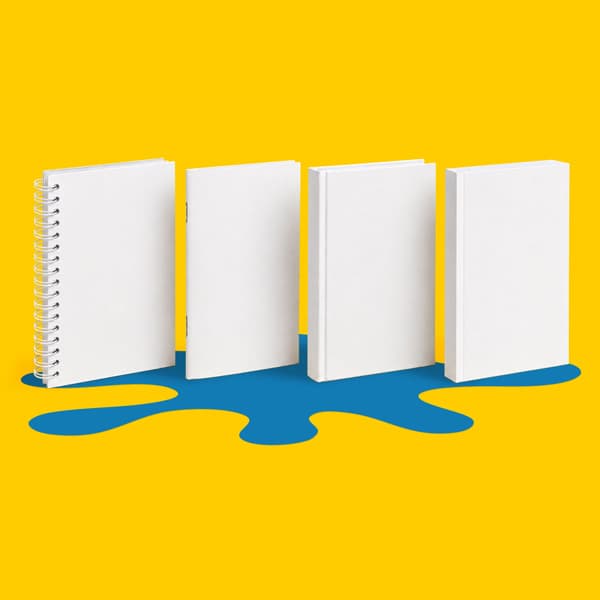
Binding has a big impact on how your magazine looks, feels and performs. For most magazine projects, the main choice will be between Saddle Stitched and Perfect Bound.
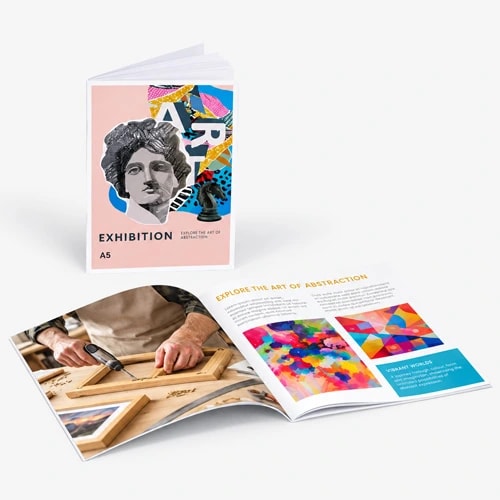
Saddle Stitched magazines are folded and stapled through the spine. This makes them a practical option for shorter magazines, event programmes, newsletters, brochures, club publications and regular issues.
They’re lightweight, easy to handle and cost effective for lower page counts. Because they open relatively flat, they can also work well for spreads, timetables, event information and image based layouts.
Our saddle stitched booklet product is a good choice for shorter magazine projects. It’s suitable for booklets, brochures, programmes and magazine style print, with a range of size, paper and finish options available.
Saddle Stitched magazine printing works well for:
If your magazine is shorter, easy to browse and designed for quick reading, Saddle Stitched binding is often the most practical route.
Perfect Bound magazines have a square spine and a more substantial book like finish. Instead of being stapled, the inner pages are bound into a wraparound cover using adhesive. This gives the finished magazine a more premium feel and makes it better suited to higher page counts.
Our perfect bound book printing product is a strong option for thicker magazines, catalogues, lookbooks, annual publications and editorial projects that need a more polished finish. It’s especially useful when you want your magazine to feel more permanent or have a visible spine.
Perfect Bound magazine printing works well for:
If your magazine has a higher page count, a more editorial feel or a longer shelf life, Perfect Bound printing can give it the structure and presence it needs.
The right binding depends on the page count, purpose and finish you want.
Saddle Stitched is usually best for shorter magazines and booklets. It’s simple, practical and easy to browse. It’s also a good option for regular issues, event programmes and publications that need to be light and easy to distribute.
Perfect Bound is usually better for thicker magazines and premium publications. The square spine gives the magazine a more substantial feel, and it can make the finished piece look more like a book or high quality catalogue.
If you’re unsure which format is right, use our Book Super Centre to compare book printing options, binding types, paper choices and artwork guidance.
Magazine size affects how the publication feels in the hand, how it’s read and how much space you have for content.
A4 is a popular choice for image led magazines, catalogues, reports and editorial layouts because it gives you plenty of space for photography, text and advertising. It can feel more substantial and is useful when visuals need room to breathe.
A5 is more compact, which makes it useful for newsletters, event programmes, membership magazines and smaller publications. It’s easy to carry and can feel more accessible for short form content.
Square magazines can create a more creative or premium feel, especially for lookbooks, photography projects and design led publications. Custom sizes can also help a magazine feel more distinctive, but they need to be planned carefully so artwork, layout and production all work together.
Before choosing a size, think about how the magazine will be used. Will it be posted, handed out, sold, displayed at an event or kept as a reference piece? The answer can help you choose the most suitable format.
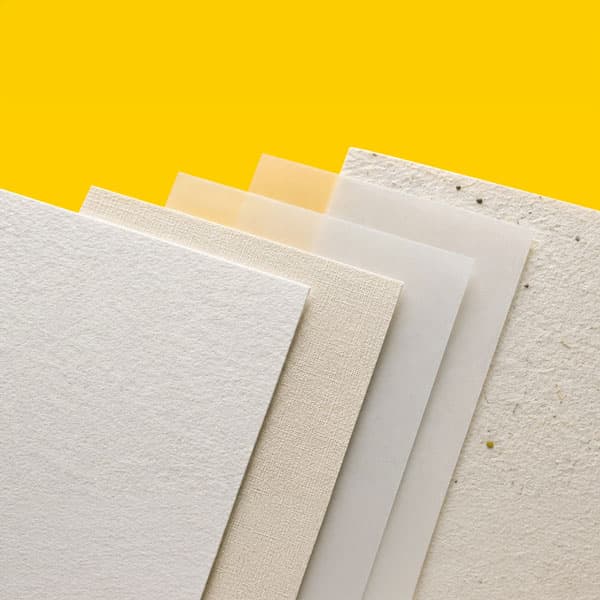
Paper choice has a huge effect on the finished magazine. It changes the weight, feel, colour impact and overall impression.
Silk paper is a popular option for professional magazines because it gives a smooth finish with strong colour reproduction without feeling too shiny. It works well for a wide range of editorial, brand and catalogue projects.
Gloss paper can be useful for image heavy magazines, photography, product visuals and bold colour. It gives colours extra brightness and creates a more reflective finish.
Uncoated paper has a softer, more natural feel. It can suit independent magazines, editorial projects, creative publications and brands that want a less polished, more tactile finish.
Recycled paper can be a good choice when material selection is part of the project. It can work well for community magazines, purpose led publications and brands that want a more natural looking stock.
For a stronger first impression, think about using a heavier cover than the inner pages. A thicker cover can help protect the magazine and make it feel more professional as soon as it’s picked up.
You can compare paper types in more detail through our Print Materials Hub.
The cover is the first part of the magazine people see, so it’s worth thinking carefully about how it should look and feel.
Matt lamination creates a smooth, understated finish and can work well for professional magazines, brand publications and editorial designs. Gloss lamination adds shine and can make colours feel brighter, which is useful for image led covers and bold designs.
Soft touch lamination gives the cover a more tactile, premium feel. It’s a good option for higher value magazines, lookbooks and publications where the physical feel matters.
You can also use special finishes to highlight selected parts of the cover. Scodix gold or silver foil can be used for titles, logos, issue numbers or small design details. Spot UV can add contrast by creating shine on specific areas while the rest of the cover stays matt.
Used well, finishes should support the design rather than overwhelm it. A strong magazine cover doesn’t need every finish available. It needs the right finish for the audience, content and brand.
Good magazine print starts with good artwork setup. Even a strong design can run into problems if the file isn’t supplied correctly.
Your artwork should be supplied as a print ready PDF, using the correct size, bleed and page order. Images should be high resolution, colours should be set up correctly for print and key text should stay safely away from trims, folds and binding areas.
Before exporting your magazine artwork, check:
If you’re setting up artwork for the first time, our Support Guides can help you prepare the file correctly before sending it to print. You can also use Artwork Technical Checks for extra reassurance.
If you’re printing a Saddle Stitched magazine, you don’t need to create a square spine. The magazine is folded and stapled, so the cover wraps around the folded pages.
Perfect Bound magazines are different. They have a spine, and that spine needs to be included in the cover artwork. The spine width depends on the number of pages and the paper stock you choose.
This is especially important if you want text, a logo or an issue number on the spine. If the spine is too narrow, the text may not sit cleanly. If the artwork doesn’t match the calculated spine width, the finished cover may not align as expected.
Always check the spine width before exporting your final cover artwork for Perfect Bound magazine printing. For detailed setup help, use the relevant Perfect Bound Book Artwork Guide.
A professional magazine isn’t only about paper and binding. The design and structure matter too.
Start with a clear front cover. It should show the title, issue number or theme, and give readers a reason to open it. If the magazine is part of a series, keep title placement and branding consistent from issue to issue.
A contents page can make longer magazines easier to navigate. This is especially useful for catalogues, brand publications, school magazines and editorial projects with several sections.
Keep typography consistent throughout the magazine. Use heading styles, body text styles and captions in a clear way so the reader knows where they are. Strong margins can also make the magazine feel more polished and easier to read.
For image led magazines, give your photography enough space. Full page images, clean captions and well balanced spreads can make the content feel more considered.
The back cover is worth planning too. It can include contact details, a QR code, a subscription message, a product feature, an advert or a strong closing visual.
The cost of magazine printing depends on the specification. A short Saddle Stitched magazine will usually have a different cost structure from a thick Perfect Bound publication with a laminated cover and special finish.
The main factors that affect magazine printing cost are:
If you’re working to a budget, start by deciding what matters most. For some projects, paper stock and cover finish will be key. For others, page count and quantity will make the biggest difference.
The best route is to choose a specification that suits the purpose of the magazine rather than simply choosing the cheapest option. A short event programme doesn’t need to feel like a premium coffee table publication, but a high value brand magazine might need a stronger finish to match the content inside.
Before you send your magazine to print, make sure you’ve checked the essentials.
A final check can help avoid delays and make sure the printed magazine looks the way you expect.
Magazine printing works best when the format, binding, paper and artwork all support the purpose of the publication. With the right format, finish and artwork setup, your magazine can do more than hold content. It can give your ideas a polished, professional print format that people want to pick up, read and keep.
For shorter magazines, newsletters, event programmes and regular issues, Saddle Stitched Booklet Printing can be a practical and professional choice. For thicker magazines, premium catalogues, annual publications and projects with a longer shelf life, Perfect Bound Book Printing can give your magazine a more substantial finish with a square spine.
If you need help choosing the right route, explore our Book Super Centre for binding options, use the Print Materials Hub to compare paper stocks, or visit our Support Guides for artwork setup advice.
Saddle Stitched binding is usually best for shorter magazines, newsletters and event programmes. Perfect Bound binding is usually better for thicker magazines, catalogues and premium publications that need a square spine.
It depends on the binding type. Saddle Stitched magazines need pages in multiples of four. Perfect Bound magazines can support higher page counts and are better suited to thicker publications.
Silk paper is a strong all round choice for magazines because it gives a smooth professional finish. Gloss paper works well for image heavy designs, while uncoated paper gives a softer and more natural feel.
Yes. Small quantity magazine printing can be useful for independent publishers, events, schools, clubs, product launches and short run brand publications.
A print ready PDF is the best format to supply. Make sure the file includes the correct size, bleed, page order and artwork setup for the binding type you’ve chosen.
Saddle Stitched magazines are folded and stapled through the spine. Perfect Bound magazines are glued into a wraparound cover, creating a square spine and a more book like finish.
Posted on July 13, 2026 by Ben Riches
Related topics:
£51.01
£117.25