Prices
A good customer incentive gives someone a clear reason to act. It might encourage a new customer to place their first order, persuade an existing customer to return or increase the amount someone spends during a visit.
That doesn’t mean every incentive needs to be a large discount. Free upgrades, added extras, referral rewards, early access and future purchase vouchers can all give customers something valuable without cutting deeply into your margins.
The way you present the incentive matters too. A printed voucher, flyer, postcard or packaging insert gives the offer a physical presence. Customers can keep it, pass it to someone else or return to it when they’re ready to buy.
This guide explains how to choose the right customer incentive, promote it through print and measure whether it worked.
A customer incentive is an offer, reward or additional benefit designed to encourage a particular action.
That action could be:
Some incentives provide an immediate benefit, such as money off the current purchase. Others create a reason to return, such as a voucher that can only be used on a future order.
The best option depends on what you want the customer to do. Start with the objective, then build the incentive around it.
There isn’t one offer that will suit every customer or campaign. An incentive should reflect your audience, typical purchase value and business objective.
An introductory offer can reduce the risk someone feels when trying an unfamiliar business.
This might be a fixed amount off their first order, a complimentary consultation, a free sample or an added service. The value needs to be strong enough to attract attention without making the full price feel unreasonable.
A salon could offer a complimentary treatment with a first appointment. A restaurant might include a free starter with a first collection order. An online shop could place a welcome voucher inside a sample pack or enquiry response.
The aim is to start the customer relationship, not just secure one heavily discounted sale.
Spend and save offers can encourage customers to increase the value of their purchase.
Examples include:
Set the threshold slightly above the amount customers would usually spend. If the target is too low, you may give away margin without changing customer behaviour. If it’s too high, the reward can feel unreachable.
Discounting isn’t the only way to make an offer appealing. Adding something useful can protect the value of your main product or service.
A photographer might include a small additional print. A café could offer a free size upgrade. A retailer might add gift wrapping. A tradesperson could include a complimentary assessment with a qualifying booking.
The added item should have a clear benefit for the customer but remain manageable for the business to provide.
A future purchase voucher rewards the first transaction while also creating a reason to come back.
Instead of reducing the price of the current order, give the customer a voucher to use during their next visit. This can work especially well for businesses with natural repeat purchase cycles, including salons, cafés, restaurants, attractions and specialist retailers.
Give the voucher a realistic redemption period. It should create momentum without giving the customer so little time that the offer becomes frustrating.
A referral incentive encourages existing customers to introduce your business to someone they know.
You could reward the existing customer, the new customer or both. For example, each person might receive money off, a free upgrade or account credit after the new customer completes their first purchase.
Printed referral cards are easy to hand over following a successful order, appointment or visit. Include a referral code or space for the existing customer’s name so you can identify where the introduction came from.
Keep the process simple. A referral programme becomes less appealing when customers need to complete several forms or follow complicated instructions to receive the reward.
A bonus can make printed gift vouchers more appealing during gifting periods.
You could offer a small extra voucher when someone buys above a particular value. For example, a customer purchasing a £50 gift voucher might receive an additional £5 voucher to use themselves.
Make it clear whether the bonus voucher has a separate redemption period or different terms from the main voucher.
An early booking reward can help you secure income, plan resources and fill dates in advance.
This could include an added extra, a locked price or a small reward for customers who confirm before a stated deadline.
Venues, event suppliers, photographers, hospitality businesses and seasonal services can all use this approach. The deadline should have a genuine purpose and must be displayed clearly on every piece of marketing.
An incentive can help move demand into times when your business has more capacity.
A restaurant might create a weekday offer. A salon could encourage appointments during quieter hours. An attraction might promote selected dates outside its busiest period.
This is often more useful than applying a general discount across every day and service. It gives customers a reason to change when they purchase while protecting income during periods that already sell well.
For ecommerce businesses, every dispatched order creates another marketing opportunity.
Add a printed card that thanks the customer and includes a reason to return. That might be a future order voucher, a referral reward, a product recommendation or early access to an upcoming collection.
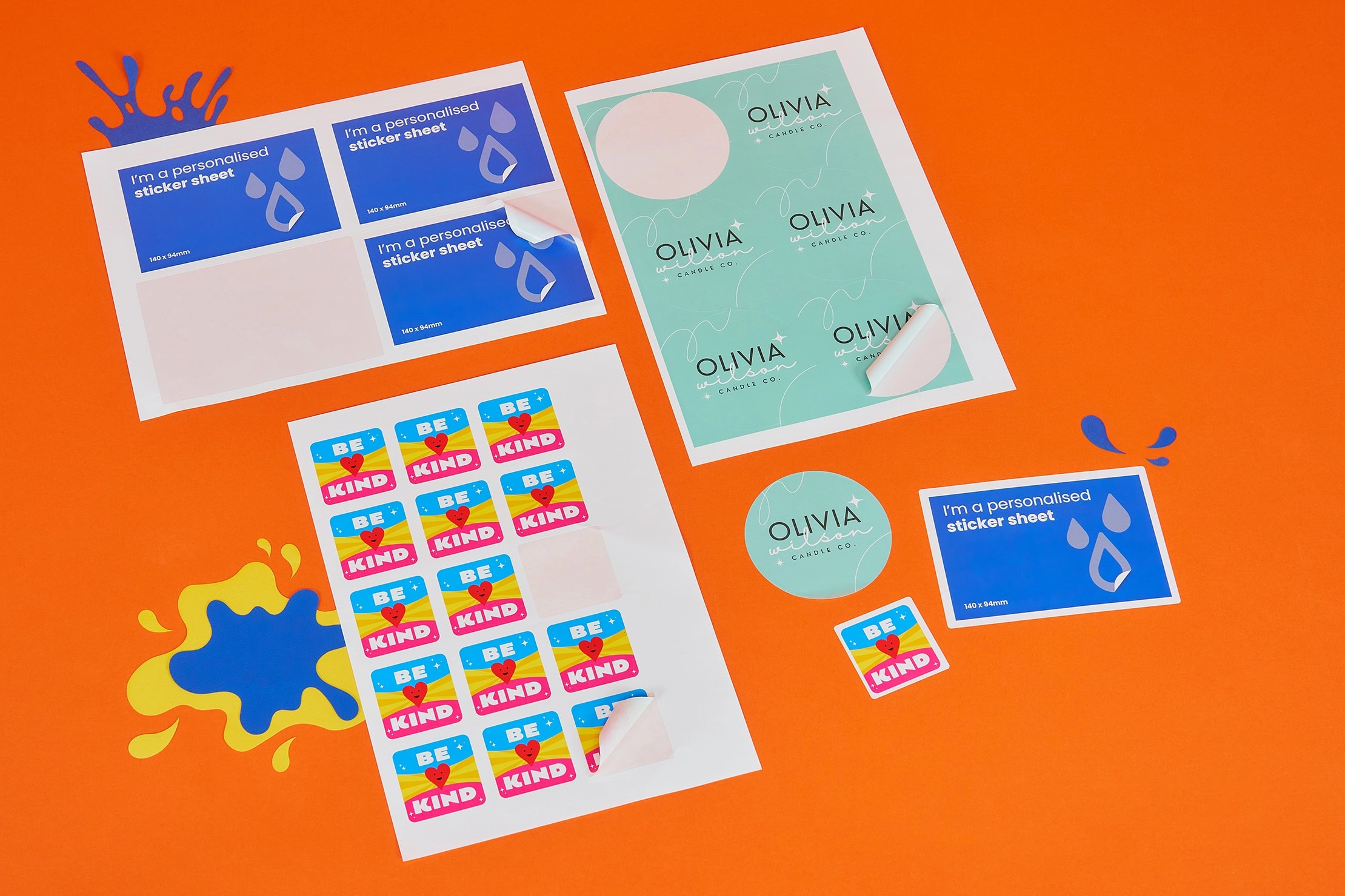
Postcards, small flyers and printed greetings cards can all work as packaging inserts. Personalised stickers can also be used to draw attention to a code, QR link or limited offer.
The insert should add to the unboxing experience rather than feeling like an unrelated advertisement.
A customer incentive needs to generate useful behaviour, not simply reduce the amount customers pay.
Before launching an offer, calculate:
A percentage discount can become expensive on higher value orders. A fixed reward gives you more control over the cost. An upgrade, bundle or complimentary extra may also feel valuable while costing less to deliver.
Think carefully about what happens when the offer ends. Constant discounting can train customers to delay their purchases until the next promotion. Incentives work best when they’re connected to a clear purpose, audience or time period.
The same offer can perform very differently depending on how it reaches the customer.
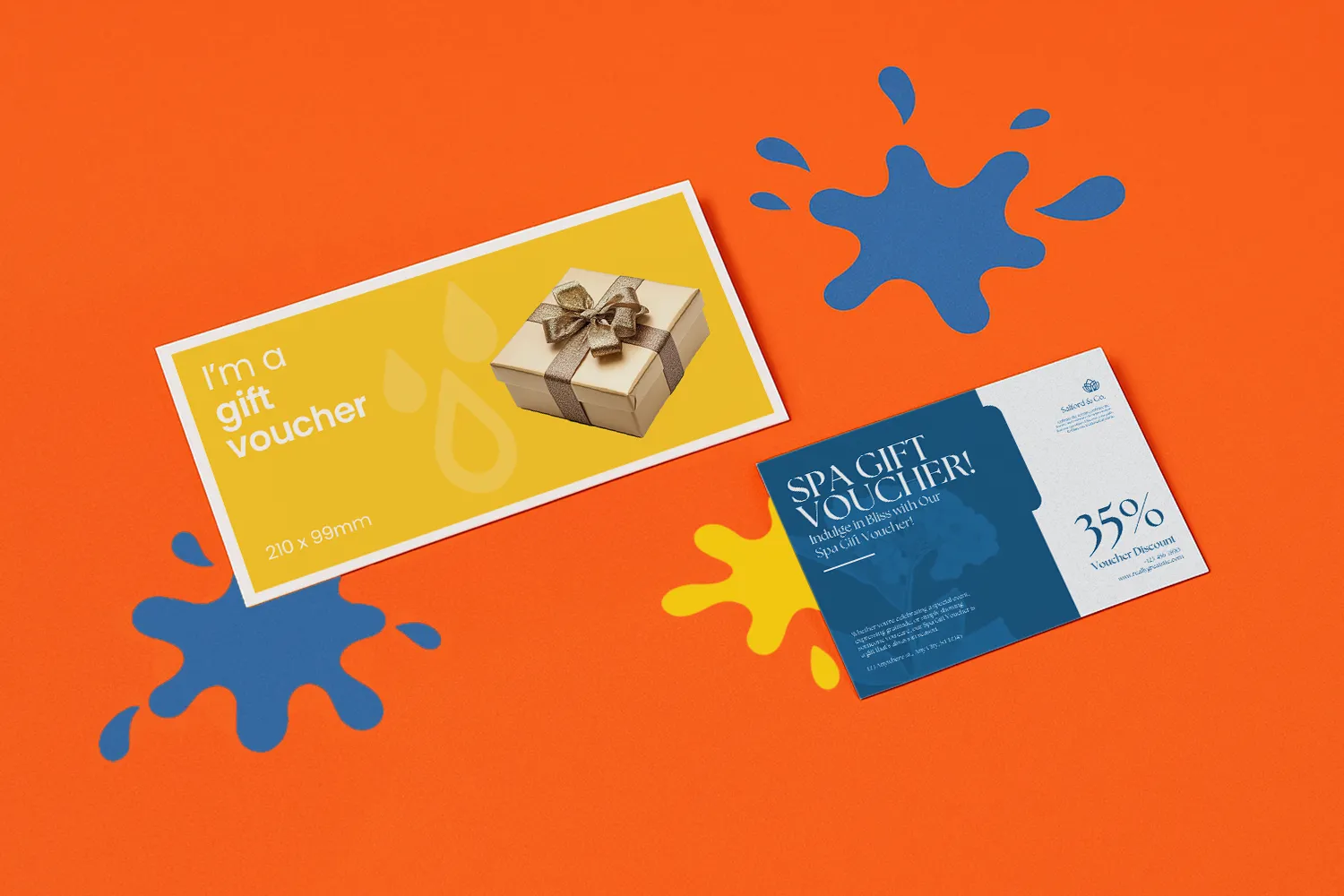
Gift vouchers suit prepaid services, gifting and premium rewards. They give the incentive a defined value and can be designed to feel like a product in their own right.
Include space for the value, voucher number, issue date, expiry information and any relevant terms.
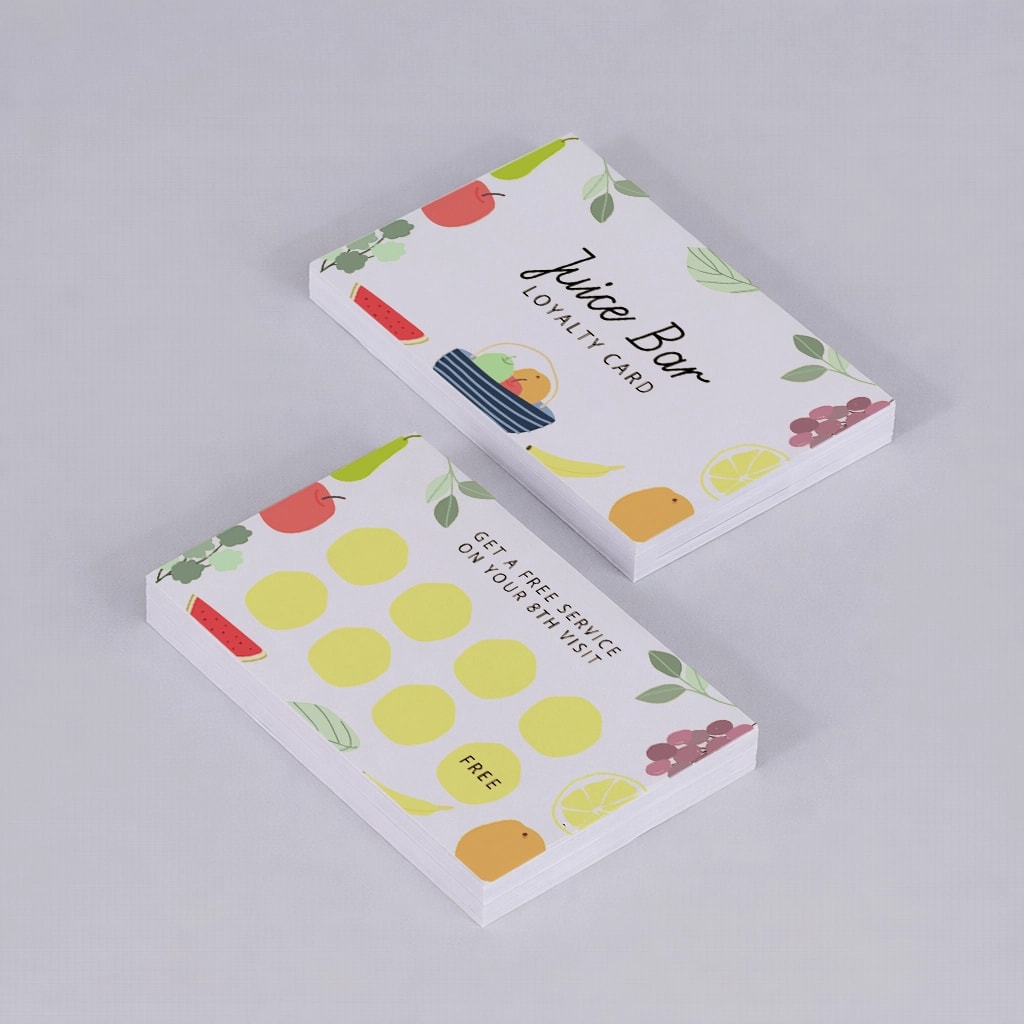
Loyalty cards are designed for incentives based on repeat visits or purchases. They’re particularly useful when the customer’s progress can be recorded through stamps, signatures or simple written details.
Keep the reward achievable and make the required number of visits easy to understand. For more detailed guidance, read our guide to designing and printing loyalty cards.
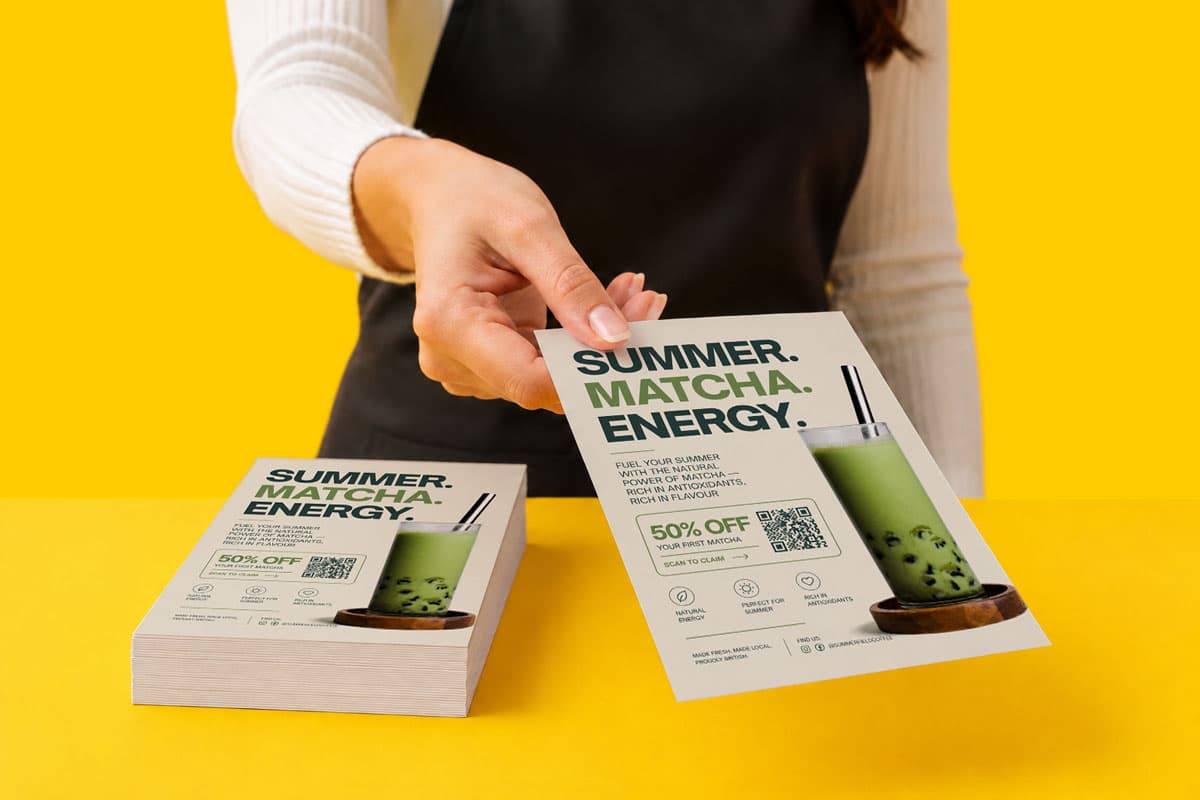
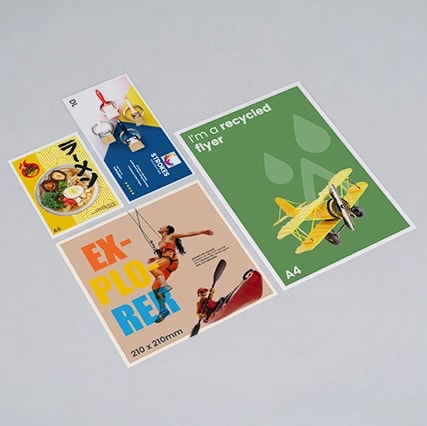
Flyers are useful for offers that need to reach a wider audience quickly. They can be handed out, included with purchases, displayed at partner locations or distributed through local doors.
Use one dominant offer rather than crowding the page with several promotions. The headline should communicate the customer benefit before explaining the details.
For local campaigns, WTTB’s door drop marketing service can help place your printed offer into selected neighbourhoods, areas or audience groups.
Postcards can help reconnect with existing customers. They provide enough space for a strong visual, a personal message and one clear incentive.
Use them for customer anniversaries, birthday rewards, seasonal reminders, lapsed customer offers and invitations to return.
A compact card or flyer can turn a completed order into the start of the next customer journey.
Use the front for the reward and the reverse for the terms, redemption instructions and supporting details. Keep the offer relevant to what the customer has already purchased.
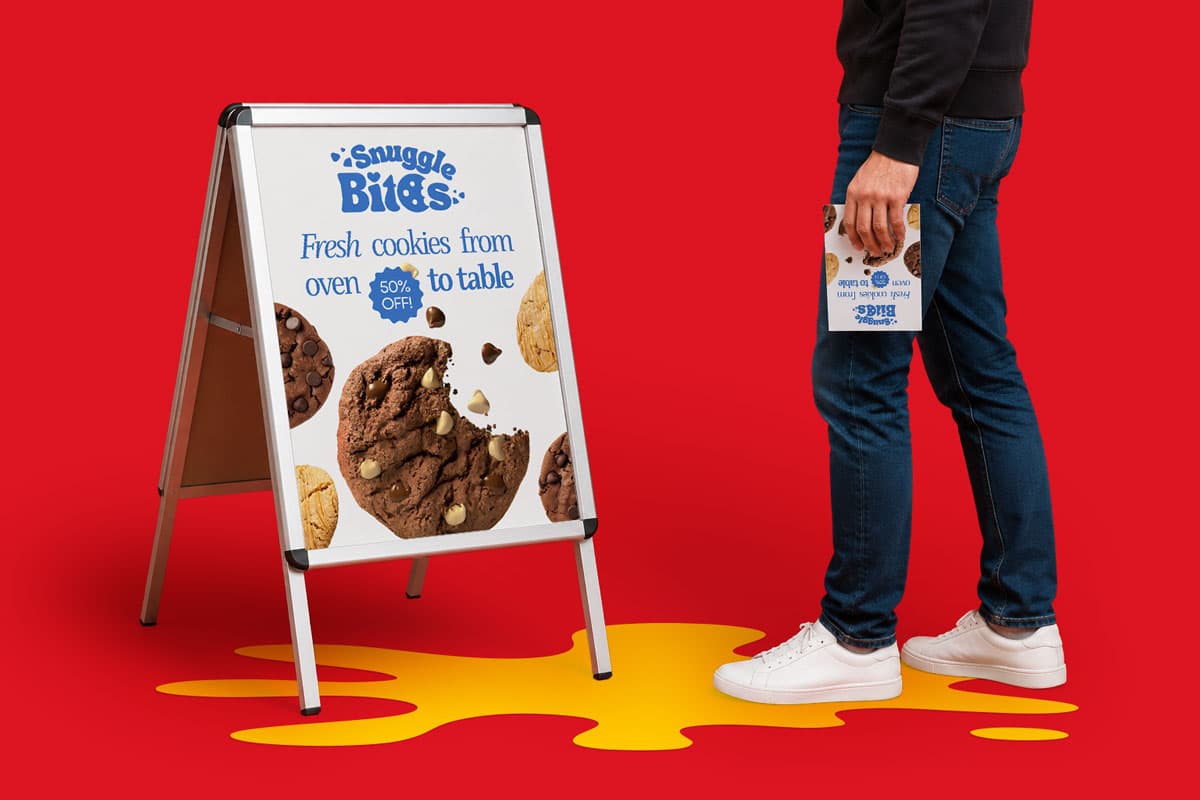
Posters, counter cards and signs can promote incentives where customers are already making decisions.
They work well for spend thresholds, bundle offers, gift voucher promotions and rewards available on the day. Make sure staff understand the offer so customers receive the same explanation at every stage.
A customer shouldn’t need to study your print to work out what they’ll receive.
Every incentive should make the following details clear:
Important conditions shouldn’t be hidden in tiny text or only revealed after the customer attempts to redeem the offer. The ASA guidance on promotional terms and conditions explains that information affecting someone’s understanding of a promotion should be communicated clearly. This can include closing dates, eligibility requirements, availability and spending conditions.
Businesses using promotional or reference pricing should also check the latest Competition and Markets Authority guidance on unfair commercial practices.
A printed incentive doesn’t need to end on the page.
Add a QR code that takes the customer to a relevant booking page, product collection or campaign landing page. Avoid sending everyone to your homepage and expecting them to search for the offer.
You can also use:
Keep the design, wording and terms consistent across every channel. Someone who sees an offer on a flyer should find the same value and conditions when they reach the website.
Our guide to combining online and offline marketing explains how printed materials, websites, email and social channels can support the same customer journey. You can also learn how to add QR codes, calls to action and voucher codes in Canva.
The offer should be the first thing the customer notices.
Create a clear visual order:
Use large, readable type for essential information. Give the voucher code or QR code enough clear space and avoid placing important details too close to the trim edge.
Our free Canva templates are set to the correct dimensions for a wide selection of printed products, helping you begin with an appropriate canvas size.
Paper choice affects how an incentive looks, feels and functions.
Uncoated paper is useful when staff need to write a value, date, signature or stamp onto the item. Silk paper provides a smooth surface and strong colour reproduction for promotional flyers and inserts.
Premium or textured stocks can make a gift voucher feel more valuable, while recycled and Kraft options can support a natural visual identity.
Lamination can improve durability, but avoid laminating areas that need to be written or stamped unless you’ve tested the pen or stamp first.
The Print Materials Hub provides more information about paper stocks, finishes and their most suitable uses.
You need to know whether the incentive generated worthwhile activity.
Track information such as:
Use different voucher codes for different channels. A leaflet delivered through the door could use one code, while a packaging insert or postcard uses another. This helps you understand which material and audience produced the strongest response.
For referral campaigns, record both the referring customer and the new customer. For future purchase vouchers, look beyond the initial redemption and check whether those customers continue to buy.
Customers should understand the value and required action within seconds. Too many conditions create uncertainty and reduce the likelihood of redemption.
Decide whether the offer is intended to attract new customers, increase spend, fill quieter periods or generate repeat purchases. Without a defined goal, it’s difficult to assess whether the promotion succeeded.
Deadlines, exclusions and minimum spends need to be visible before the customer decides to participate.
A customer shouldn’t need to complete unnecessary steps to use the incentive. Make sure staff, checkout systems and booking processes are prepared before the campaign begins.
One universal code may tell you how many people responded, but not where they found the offer. Separate codes provide more useful campaign data.
A flyer asking customers to visit a shop, follow several social channels, join a mailing list, enter a competition and use a voucher has no clear priority.
Choose one main action and make it easy to complete.
A customer incentive becomes more effective when it’s supported before, during and after launch.
Introduce the offer through your main marketing channels, place printed materials where the relevant audience will see them and send reminders while the promotion remains active.
Once it ends, review which format, audience and incentive produced the best results. That information can guide your next campaign, helping you improve the offer rather than repeating it without evidence.
From gift vouchers and loyalty cards to flyers, postcards and packaging inserts, print gives your incentive a physical presence that customers can notice, keep and act on. With the right offer, clear terms and a simple way to redeem it, every printed piece becomes more than a promotion. It becomes a practical route to the next sale, the next visit and a stronger customer relationship.
Posted on July 2, 2026 by Emma Thompson
Related topics:

£16.76
£16.41
£17.48
£24.59
£17.26