Prices
July and August are often treated like dead months when it comes to print sales. Customers are on holiday, inboxes feel slower, temperatures rise and businesses seem harder to get hold of.
But summer isn't the problem. The problem is often who you are speaking to.
For print resellers, the strongest September sales don't usually come from customers who wake up on the first day of autumn and suddenly need print. They come from businesses that have been planning seasonal campaigns, events, launches and promotions for weeks, if not months.
The opportunity is there, it has just shifted.
Instead of chasing customers who are not ready to buy today, summer is the time to speak to the sectors already thinking about the colder months of the year.
A quiet order book doesn't always mean quiet demand. It can mean customers are still in the planning stage.
In July and August, many businesses are not asking for final artwork, print quotesor delivery dates yet. They are working out what they need, what they can spend and what activities need to happen before the end of the year.
That might mean planning campaigns, booking events, reviewing budgets, finalising product launches or building their end-of-year marketing calendar.
That makes summer a valuable window for resellers. It is the stage where you can help shape the brief, not just price the finished job.
This matters because Q4 remains the major commercial period. It is reported that Great Britain retail sales volumes in Q4 last year were 2.1% higher than the year prior, while online spending values were up 8.4% over the same period.
In other words, the autumn and festive period still creates high demand. The reseller advantage comes from being part of the conversation before the demand becomes urgent.
By the time a customer asks for Christmas print in November, the campaign has probably been discussed internally for weeks.
Retailers have sales peaks to prepare for. Hospitality venues need festive menus and point of sale materials. Corporate marketing teams are building Q4 campaigns, while manufacturers may be preparing catalogues, distributor packs or sales collateral for autumn trade events.
The numbers show why this period matters.
PwC forecast UK Black Friday spending of £6.4 billion last year, with participating shoppers expected to spend £262 on average. It was also reported that £24.6 billion of UK festive spending were on presents and celebrations, with average spend per adult rising to £461.
That level of spending doesn't appear from nowhere. It needs campaigns, offers, signage, packaging, menus, direct mail and display materials behind it.
For resellers, July and August are not just months to fill; they are months to influence what customers order later on in the year.
The aim is not to call more people simply for the sake of it. It is to call the right people, with the right reason, at the right time.
Hospitality businesses are often preparing for the festive season while customers are still thinking about summer.
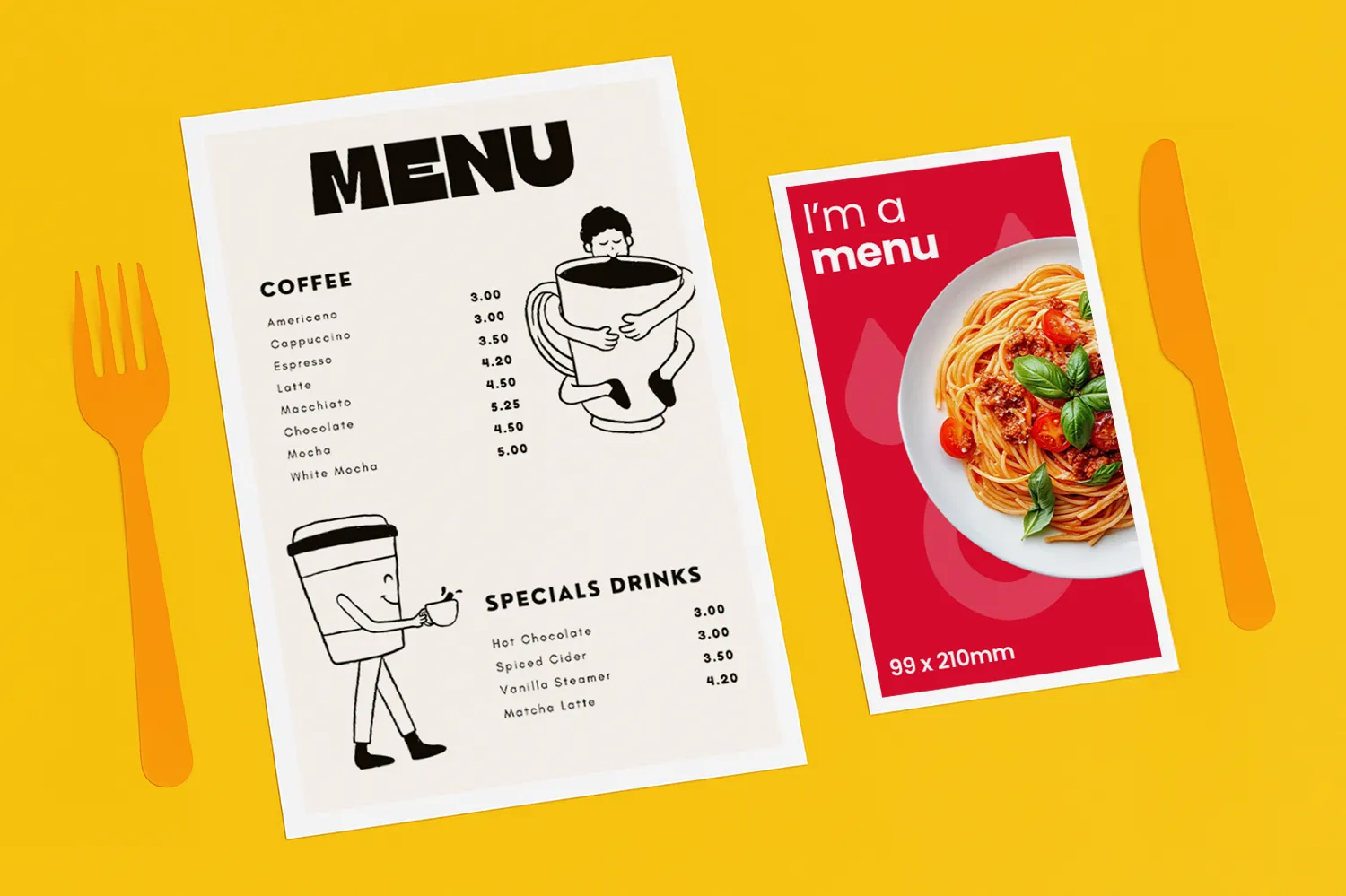
Restaurants, pubs, hotels and other venues may need Christmas menus, gift vouchers, table talkers, window graphics, posters and other kinds of seasonal advertising.
There is a clear reason to start those conversations early. NIQ and RSM reported that Britain's managed hospitality groups achieved 2.9% like for like growth last December, with pubs up 5.1% compared with the December prior. Zonal also reported that Christmas hospitality bookings were already up 54% compared with the same point the year before, with group bookings up 38%.
That makes summer a sensible time to ask hospitality customers what they are planning for festive bookings, private events and seasonal promotions.
Retailers move quickly once autumn arrives, but the planning often starts much earlier.
Halloween, Black Friday and Christmas can all create print demand, from window displays and signage to promotional flyers, gift tags, packaging, stickers and direct mail.
Halloween also shows how tight seasonal windows can be. YouGov found that 57% of British adults who celebrate Halloween only start planning a week before, which means retailers need their promotions, stock and store visibility ready before customers begin buying.
For resellers, this is a strong sales angle. Retail customers may not need print today, but they do need to know what they'll need when those seasonal windows arrive.
For corporate marketing teams, summer can be the planning window for autumn campaigns, product launches, sales conferences, customer events and end of year communications.
This is where the reseller communication should move away from individual products and towards campaign support.
Instead of asking whether they need brochures, folders or banners, ask what activity they have planned between September and December. Once you understand the campaign, the print requirement becomes much easier to identify.
There is also a strong argument for early creative planning. Kantar found that 80% of marketers say early stage creative development research leads to better campaigns, with early idea development research creating a potential uplift of 25% in short term sales likelihood.
That supports the idea that earlier conversations can improve the quality of the final campaign, not just the delivery schedule.
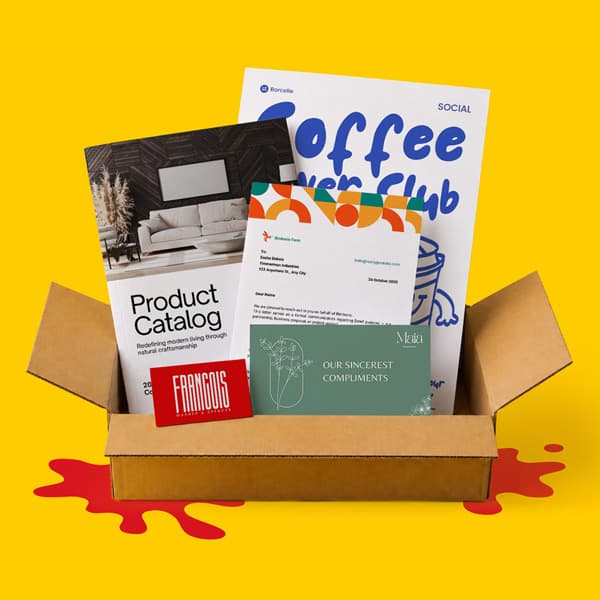
Manufacturing customers may not always think in the same seasonal rhythm as retail or hospitality, but many still plan ahead for autumn trade activity. They may be ordering product catalogues, sales folders or exhibition collateral.
The opportunity here is to help them get organised before deadlines become urgent. If a sales team needs literature for September meetings, waiting until September to talk about it is already too late.
A common sales mistake in quieter months is asking a question that is too easy to dismiss.
"Do you need any print?" can be answered as easy as no.
A better question is:
"What campaigns or events are you planning between September and December?"
That changes the conversation. It invites the customer to talk about activity, not just print. Once they mention a Christmas menu, Black Friday offer, product launch, trade event or customer mailing, you can start identifying the print that supports it.
The same applies to the follow up questions:
This approach positions the trade print supplier as a planning partner, not just a supplier waiting for business.
Late print orders often become smaller, more rushed and more reactive. Early conversations give you more room to add value.
If a customer is planning a festive menu, they might need tent cards, vouchers or window graphics.
If a retailer is planning Black Friday, they might need promotional flyers, packaging and store displays.
If a manufacturer is preparing a product launch, they might need booklets, presentation folders and sales packs.
When you're involved early, you can help the customer see the full campaign rather than one isolated item. That means better planning for them and stronger order value for you.
The resellers who win autumn and Q4 work are usually the ones who use summer with intent.
That could mean segmenting your customer base by sector, creating a list of customers with likely seasonal demand, contacting hospitality and retail branches before the autumn rush, asking corporate teams about Q4 campaigns or reminding manufacturing customers to prepare sales literature before September.
The important thing is to avoid treating summer like a waiting room.
Customers don't suddenly wake up in September needing Christmas print. They have likely been thinking about it all summer.
The trade supplier's job is to be part of those conversations before the brief is final, before the deadline is tight and before the customer has already chosen where to order from.
Summer isn't quiet; you just need to call the customers who are already planning what comes next.
Posted on July 8, 2026 by Emma Thompson
Related topics:

£177.23
£16.23
£17.48
£38.46







£17.71