Prices
Summer marketing isn’t just about adding sunshine to your campaign creative. It’s about understanding how people behave when the days are longer, plans become more social and buying decisions are shaped by weather, events, holidays and local activity.
For some businesses, summer brings more footfall, more bookings and more chances to be seen. For others, attention moves away from screens and inboxes, which means campaigns need to work harder in the places people actually are.
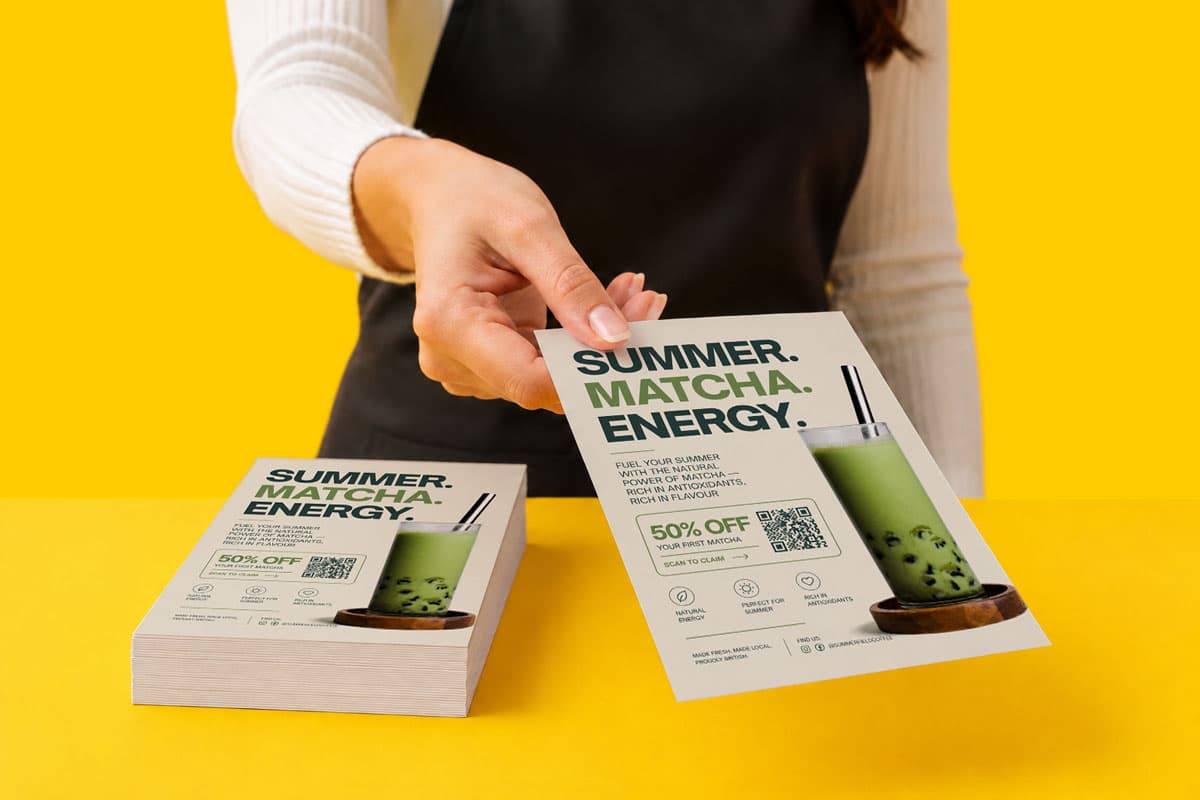
That’s where print can play a useful role. Posters, flyers, banners, signage, menus, stickers, door drops and event materials can all help you turn seasonal moments into visible, measurable campaigns. The strongest summer marketing usually combines print and digital, giving people a clear message in the moment and an easy next step to take online.
The Office for National Statistics reported that retail sales volumes rose in June 2025, with food retailers noting that warm weather had a positive effect. Non store retailers also saw growth, with retailers suggesting that promotions and good weather contributed. In July 2025, the ONS reported strong growth for non store retailers and clothing stores, with good weather and major events also playing a part.
The best summer campaigns start with a clear reason to act.
That could be a sale, a menu launch, a local event, a summer fair, a travel offer, an outdoor promotion, a new product range or a limited time service. The more specific the moment, the easier it is to create print and digital marketing that feels relevant.
Instead of starting with the product you want to promote, start by asking what your customer is likely to be doing. Are they planning days out? Spending more time outdoors? Visiting the high street? Travelling locally? Looking for food and drink options? Booking activities for children? Preparing for an event?
Once you know the moment, your campaign becomes much easier to shape.
A hospitality business might focus on outdoor dining, seasonal menus or event bookings. A retailer might push summer sale items, travel essentials or new arrivals. A local service business might use summer to reach homes while people are working on gardens, renovations or family plans.
The message should feel timely, but it should also be practical. People don’t need vague summer inspiration. They need a reason to notice you, remember you and take action.
Summer can change where your audience spends its time. People may be outside more, visiting local spaces, attending events, travelling with family or spending time away from their usual routines.
That means your campaign needs to appear in more than one place.
A social post might create awareness, but a poster in the right window can catch attention at street level. An email might announce an offer, but a flyer can put it directly into someone’s hand. A digital ad might drive traffic, but a banner can make your physical location easier to spot.
Printed marketing works best when it’s placed where the decision is likely to happen.
For example, a menu outside a restaurant helps people choose before they walk in. A pavement sign can turn passing footfall into visits. A leaflet can give local households a reason to remember your offer later. A roller banner can help people understand your stand at an event in seconds.
Use print to make the message visible, then use digital to make the next step simple.
Summer campaigns shouldn’t be difficult to measure. Print can support clear tracking when it’s planned properly.
QR codes, short web addresses, offer codes and dedicated landing pages can help you understand which materials are working. You can use one code for door drops, another for posters and another for event handouts, so you can see which channel is driving the most interest.
The key is to keep the action simple. Don’t ask people to scan a QR code if they’re walking past at speed. Don’t hide an offer code in small text. Don’t send people to a generic homepage if the campaign is about one specific offer.
A good print to digital journey should feel obvious. See the message, understand the offer, take the next step.
That could be:
This makes your campaign more useful for customers and easier for you to review afterwards.
Door drop marketing can be especially useful during summer when businesses want to reach specific local areas.
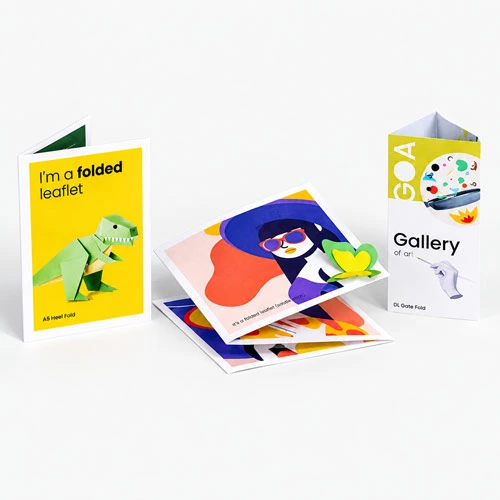
A well designed leaflet can introduce a seasonal offer, promote an event, share a menu, advertise a local service or drive people to a shop, website or booking page. It gives your message a physical presence in the home, which can be useful when your audience is not actively searching for you online.
The DMA and JICMAIL Door Drop Report 2025 found that 8,564 advertisers used door drops in 2024, equal to 16% of all UK advertisers tracked by Nielsen. The same report said door drop spend rose by 5.5% in 2024 to £182.2 million, while 13.9% of door drops generated at least one tracked commercial action.
That matters because summer marketing often has a local focus. Restaurants, tradespeople, retailers, leisure businesses, charities, venues and event organisers all need ways to reach people in specific areas.
With Leaflet Distribution, you can plan the print and delivery together, helping you get seasonal campaigns into the right homes at the right time.
Summer is packed with events, from festivals and markets to school fairs, sports days, weddings, charity fundraisers and community open days.
These are useful moments because people are already present, engaged and open to discovering something new. The challenge is making sure your brand is easy to notice and easy to understand.
At events, your print needs to work quickly. People may only glance at your stand, sign or handout for a few seconds, so the message should be simple.
Use large format print to create visibility, then use smaller print to give people something to take away.
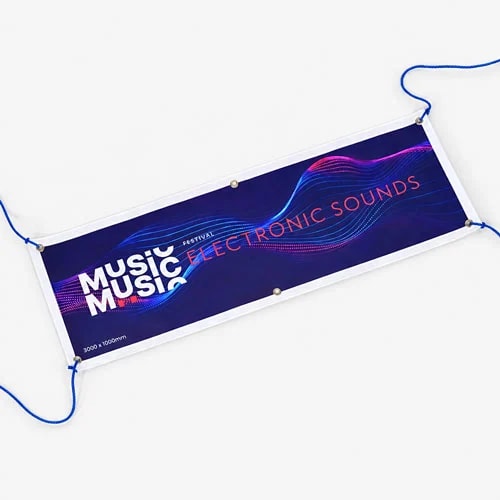
That might include Outdoor Banners, Posters, Flyers or Business Cards. The right mix depends on the setting. Outdoor spaces need durable materials and bold layouts. Indoor venues may need clearer wayfinding, menus, table displays or printed information that people can read up close.
For event marketing, think about three jobs:
If your print does all three, it’s doing more than decorating the space. It’s supporting the campaign.
Different businesses use summer in different ways. A strong summer campaign should reflect the setting, the customer journey and the action you want people to take.
The table below can be used as a practical planning guide.
Sector | Summer opportunity | Print that supports it | What to measure |
|---|---|---|---|
Hospitality | Outdoor dining, summer menus, beer gardens, family offers and live events | Menus, table talkers, posters, pavement signs, window stickers, banners and loyalty cards | Bookings, QR scans, offer redemptions, table spend and repeat visits |
Retail | Summer sales, new product launches, tourist footfall and seasonal ranges | Posters, flyers, shelf wobblers, window graphics, stickers, swing tags and loyalty cards | Footfall, sales uplift, voucher codes, basket value and online visits |
Events and venues | Festivals, fairs, open days, exhibitions, community events and ticketed experiences | Correx signs, outdoor banners, roller banners, programmes, flyers, wristbands and display boards | Ticket sales, attendance, enquiries, QR scans and social engagement |
Tourism and leisure | Staycations, days out, family activities, attractions and local discovery | Leaflets, maps, posters, vouchers, display stands, signs and information cards | Voucher use, bookings, website traffic, enquiries and return visits |
Trades and local services | Garden work, home improvements, cleaning, repairs and seasonal maintenance | Door drops, flyers, business cards, appointment cards, yard signs and vehicle graphics | Calls, quote requests, leaflet codes, website visits and booked jobs |
Charities and community groups | Fundraisers, open days, awareness campaigns, volunteer drives and local events |
Summer marketing often works best when the message is direct. People are busy, distracted and on the move, so your print needs to be easy to read and quick to understand.
A strong seasonal message usually includes:
Avoid trying to say everything on one piece of print. A poster doesn’t need every detail. A banner doesn’t need a full product list. A flyer can carry more information, but it still needs a clear headline, a simple offer and a strong call to action.
For outdoor print, keep the text short, use high contrast and make sure the most important information can be read from a distance. For handouts, menus and leaflets, you can add more detail because people have time to hold and read them.
The format should match the reading moment.
The summer setting matters. A poster in a shop window has different needs to a banner at an outdoor event. A menu used every day needs a different finish to a leaflet delivered through doors.
Think about where the print will be used before choosing the format.
For outdoor campaigns, durability and visibility matter. For indoor promotions, finish, feel and readability may be more important. For handouts, paper stock and size can affect how easy the item is to carry, keep and use. For signage, the material needs to suit the environment and the length of the campaign.
Use Print Materials to compare paper stocks, rigid materials and finishes. Use Support Guides to check artwork setup before your files go to print.
Getting these details right helps avoid common issues, such as text being too small, colours lacking contrast, QR codes being hard to scan or materials being unsuitable for the location.
Summer campaigns work best when the print is ready before the demand arrives.
If you’re promoting a bank holiday event, don’t wait until the week before to think about flyers and signs. If you’re launching a seasonal menu, plan the menus, posters, table talkers and window graphics together. If you’re attending an event, make sure your banners, signs and handouts all share the same message.
A simple timeline can help:
This gives your campaign enough time to build awareness before the busiest point.
A summer campaign doesn’t need complicated reporting, but it does need a way to judge whether it worked.
Before you launch, decide what success looks like. It might be more bookings, more footfall, more calls, more voucher redemptions, more event attendance, more website visits or more repeat orders.
Then make sure your print supports that goal.
Use QR codes, campaign links, offer codes, dedicated phone numbers or simple redemption methods where possible. Ask staff to record where enquiries came from. Compare sales or bookings across the campaign period. Look at which locations, formats or messages performed best.
This helps you avoid guessing. It also gives you better insight for the next seasonal campaign.
Before your campaign goes live, check the basics.
A good summer campaign should feel timely, useful and easy to act on. Print gives that campaign a physical presence, while digital tools help people respond and help you measure what happened next.
Whether you’re promoting a sale, planning an event, launching a seasonal menu, reaching local homes or getting your brand seen outdoors, WTTB can help you create the printed materials that bring your summer campaign together.
Posted on June 12, 2025 by Miller Lane-Williams
Related topics:
Posters, leaflets, banners, collection materials, stickers and information cards |
Donations, sign ups, event attendance, QR scans and enquiries |
Education and clubs | Summer clubs, open days, enrolment campaigns, activity weeks and end of term events | Flyers, posters, banners, certificates, programmes, signs and information packs | Registrations, attendance, enquiries, form completions and parent engagement |

£29.23
£21.76
£38.46
£29.85
£20.99