Prices
Etsy is one of the most popular online marketplaces for creatives who want to sell their artwork, prints and personalised products. From illustrators and designers to hobby artists and small business owners, it gives sellers a way to reach customers who are actively looking for something more original than a standard high street product.
The marketplace continues to be a major opportunity for independent sellers. Etsy now has more than 100 million items for sale, with around 5.6 million active sellers and 86.5 million active buyers. That means there is plenty of competition, but also plenty of demand from shoppers looking for creative, personal and distinctive products.
If you’re thinking about selling art prints on Etsy, the key is not just creating artwork people love. It’s understanding how to turn that artwork into products, present them properly, price them sensibly and make sure your listings can be found.
Here’s a guide to selling art prints on Etsy, from choosing what to sell to preparing your artwork for print.
Etsy is an online marketplace where people can buy and sell handmade items, vintage goods, craft supplies, personalised products and creative designs.
For artists, illustrators and designers, it can be a useful platform because shoppers often visit Etsy with a specific type of product in mind. They may be searching for wall art for a nursery, a personalised birthday card, a wedding invitation, a pet portrait, a motivational print or a thoughtful gift that feels more personal than something mass produced.
That makes Etsy a strong place to sell printed products, particularly if your style, niche or subject matter is clear.
Etsy started as a marketplace for handmade and creative items, but it now covers a much wider range of products. Sellers use Etsy to offer everything from home décor and jewellery to stationery, accessories, craft supplies and personalised gifts.
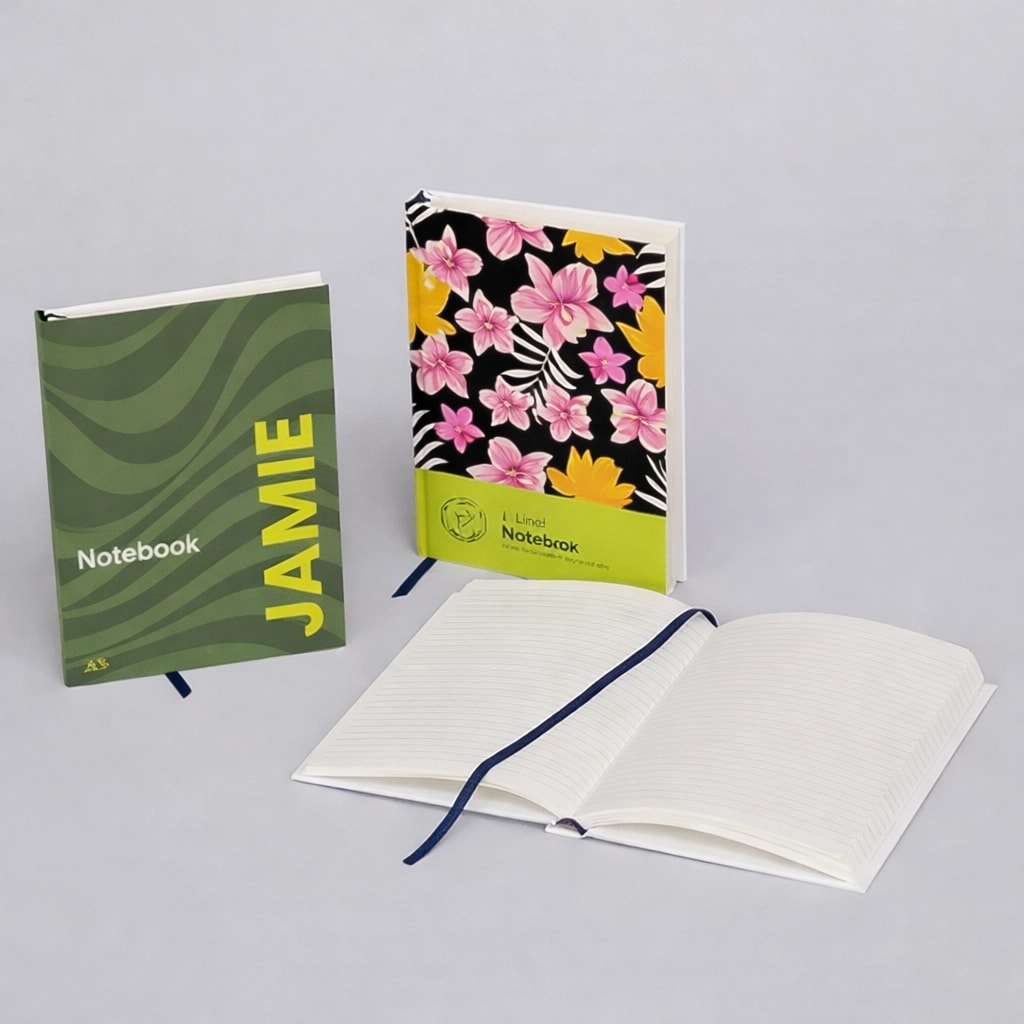
For artists and designers, popular print based products include:
The best product for your shop will usually depend on your style and audience. If your designs are decorative, art prints and wall art might be the most natural fit. If your work is humorous, sentimental or occasion focused, greetings cards and postcards could give you more ways to sell throughout the year.
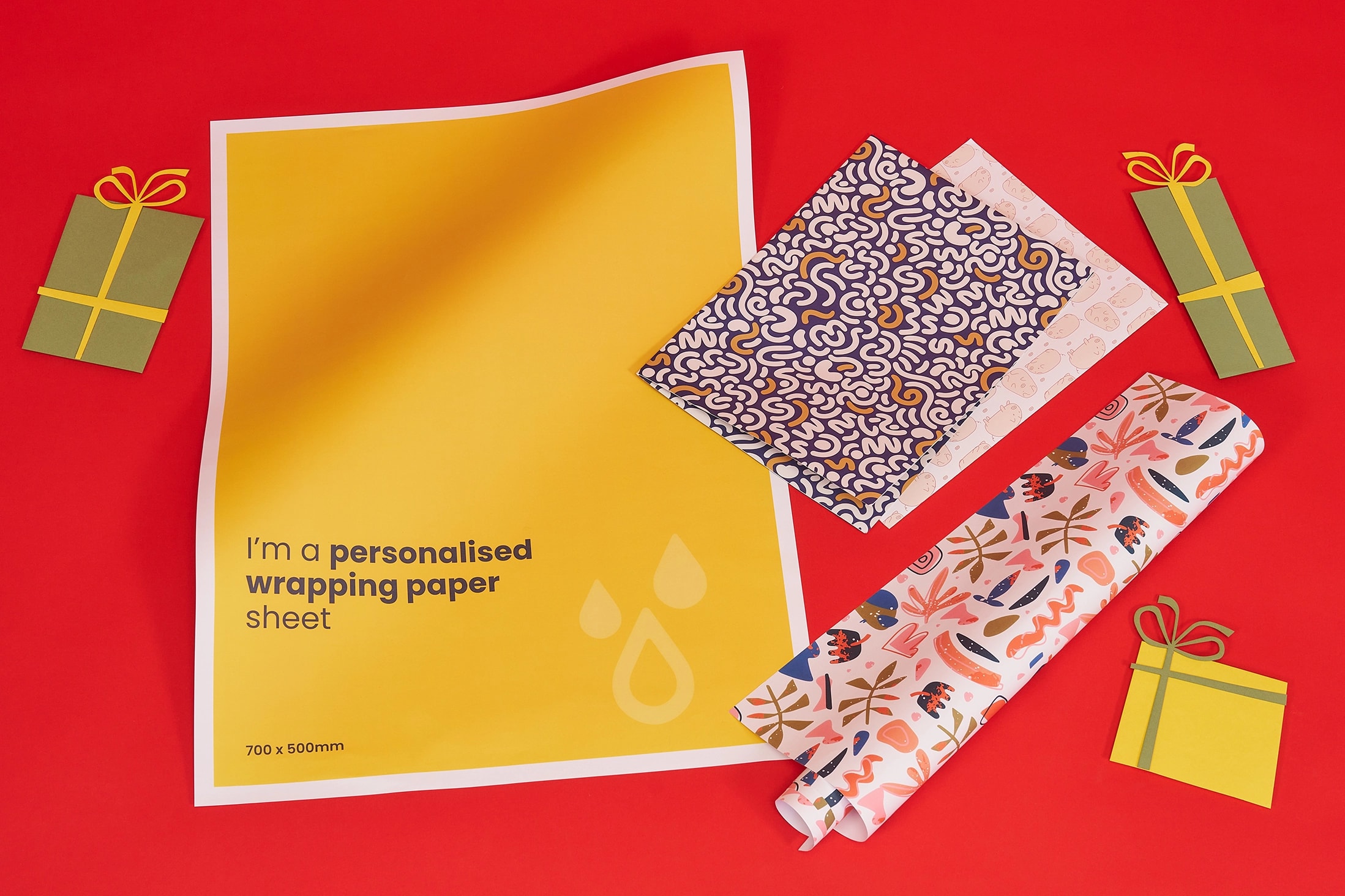
If you already have a design style that works well, it may also be worth thinking beyond one product. A pattern, illustration or piece of artwork could become an art print, card, postcard, gift wrap or small stationery range.
WTTB’s Marketplace Print Hub can help Etsy sellers explore print options for online shops, while products such as printed greetings cards, postcards and personalised wrapping paper can help turn artwork into sellable ranges.
There is no single product that guarantees sales on Etsy, but creative, personal and giftable products tend to suit the platform well.
For print sellers, popular options often include personalised artwork, nursery prints, wedding stationery, pet portraits, typography prints, botanical designs, seasonal cards, abstract wall art and illustrated gifts.
The best approach is to find the overlap between what you enjoy creating and what shoppers are already searching for. You can use Etsy’s search bar to see the types of phrases people are using. Start typing a broad product, such as art print, wedding card or personalised illustration, and look at the suggested searches that appear. These can help you understand how buyers describe products like yours.
You can also look at Etsy categories, competitor listings and your own shop stats once your listings are live. The aim is not to copy what others are doing, but to understand buyer demand and position your work clearly.
When it comes to selling artwork on Etsy, popular themes often include landscapes, abstract designs, animals, florals, motivational quotes, personalised family prints, nursery art and illustrations linked to hobbies, places or occasions.
However, the subject matter is only part of the decision. Buyers also care about style, size, colour, personalisation, room use and giftability.
For example, a shopper may not simply search for flower print. They may search for something more specific, such as pink floral wall art, botanical kitchen print or personalised birth flower print. The more clearly your listing explains what the product is and who it is for, the easier it becomes for the right customer to find it.
If you’re wondering how to start selling prints on Etsy, there are a few steps to think about before you publish your first listing.
Whether you’re an illustrator, designer, photographer or painter, it helps to have a clear style. Etsy is a busy marketplace, so a recognisable look can make your shop feel more memorable.
Think about what makes your work different. You might use a particular colour palette, drawing style, subject matter or tone of voice. You might create minimalist typography prints, bright children’s illustrations, bold abstract artwork or detailed pet portraits.
Your style does not need to appeal to everyone. In fact, it is often better when it does not. A clear niche can make it easier for shoppers to understand your shop and recognise when your products are right for them.
Once you know what you want to sell, you can set up your Etsy shop and start building your brand.
Choose a shop name that is easy to remember and reflects the type of products you sell. Add a clear shop description, profile image, banner and policies so buyers know who they are buying from and what to expect.
This is also a good place to talk about your process. If you draw each piece by hand, create personalised artwork, use a specific design style or work with professional print production, mention it. Shoppers on Etsy often want to understand the person or small business behind the product.
Selling art on Etsy does not have to mean selling wall prints only. One design can often work across several printed products.
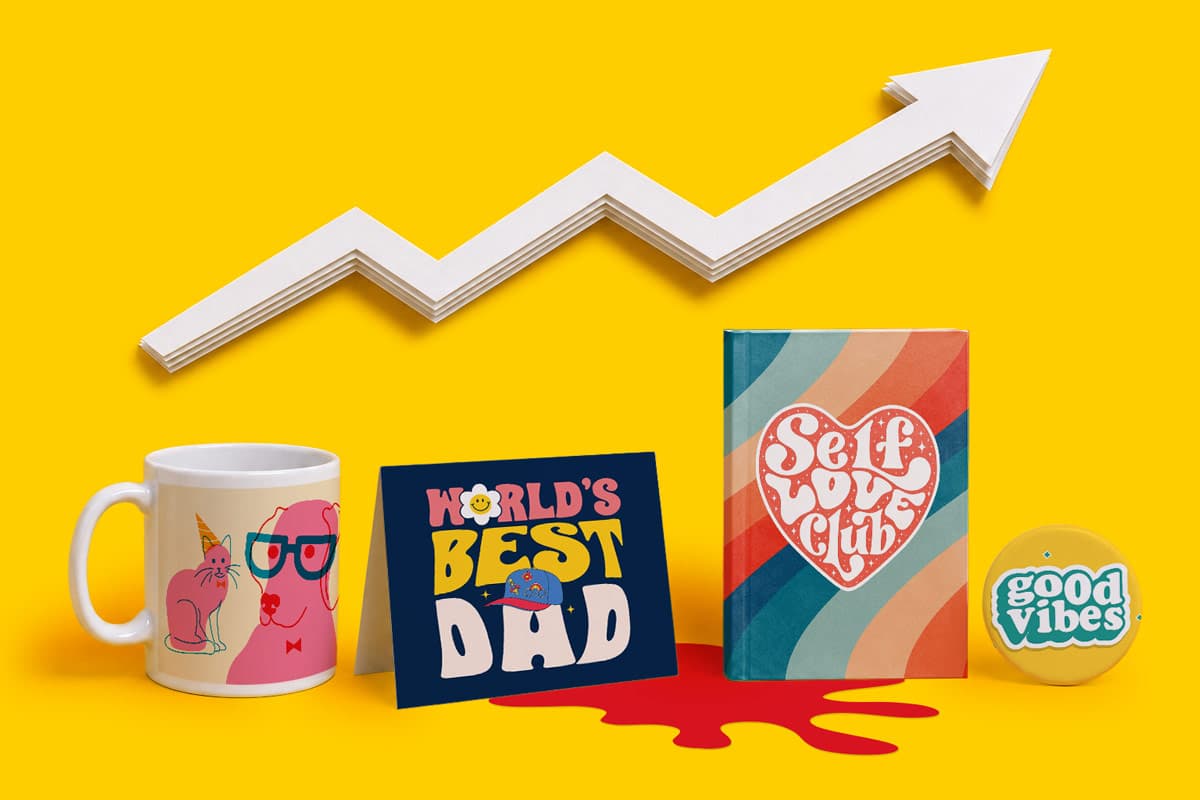
You could sell:
Choosing the right format depends on how the artwork will be used. Detailed illustrations may work beautifully as larger prints, while simple patterns or character designs may translate well onto cards and wrapping paper.
Before choosing your product, think about the customer journey. Is the buyer decorating a room, sending a card, wrapping a gift or buying a personalised keepsake? That will help you choose the format, size and finish.
If you’re not sure which paper stock or finish to choose, our Print Materials Hub can help explain different paper types and finishes, while a sample pack can be useful if you want to compare how different stocks look and feel.
Once your design is ready, you need to decide how you want to produce and fulfil your Etsy orders.
Some sellers print products in advance so they can pack and send orders quickly. This can work well for popular designs, seasonal ranges or best selling products. Others prefer to order print as they sell, especially when testing new designs or offering a wider range of options.
Whichever route you choose, print quality matters. Etsy buyers are often choosing creative products because they want something special, so the finished print needs to reflect the quality of the artwork.
When preparing artwork for print, check the file size, resolution, bleed, colour setup and safe areas. If your artwork is not supplied correctly, it can affect how the final product looks once printed and trimmed.
WTTB’s Support Guides can help you prepare artwork correctly, and the Artwork Check service can give you extra confidence before your design goes into production.
Good artwork setup can make a big difference to the finished product.
Before uploading your files, check that your artwork is high resolution and supplied at the correct size. Make sure important text, borders and design details are not too close to the edge. If your design runs to the edge of the product, you will usually need to include bleed so the print can be trimmed cleanly without leaving unwanted white edges.
You should also think about how the artwork will look in different sizes. A design that works as an A3 print may need small adjustments before it works as a greeting card or postcard. Thin lines, small text and fine details can become harder to see when scaled down.
If you sell personalised products, keep your templates organised. Clear file naming, editable text areas and consistent artwork setup can save time when orders start coming in.
Creating a good product is only one part of selling on Etsy. Shoppers also need to find it.
Etsy search looks at different parts of a listing, including titles, tags, attributes, descriptions, photos, reviews and more. That means your listing should be clear, relevant and easy for both shoppers and Etsy to understand.
Start with a simple product title that describes what the item is. Avoid stuffing the title with every possible keyword. A title such as Personalised Pet Portrait Print or Botanical Kitchen Wall Art is clearer than a long list of disconnected search terms.
Your description should also include useful details in natural language. Mention the style, size options, materials, personalisation options and what the product could be used for. For example, if it is a nursery print, say so. If it makes a good wedding gift, birthday present or new home gift, include that context where it feels relevant.
Etsy allows up to 13 tags per listing, so use them. Tags can help your products appear for a wider range of searches. Use phrase based tags where possible, such as nursery wall art, pet portrait print or wedding table card, rather than relying only on single words.
Think about:
Strong images are essential when selling prints online. Buyers cannot hold the product, feel the paper or see the finish in person, so your listing images need to do as much of that work as possible.
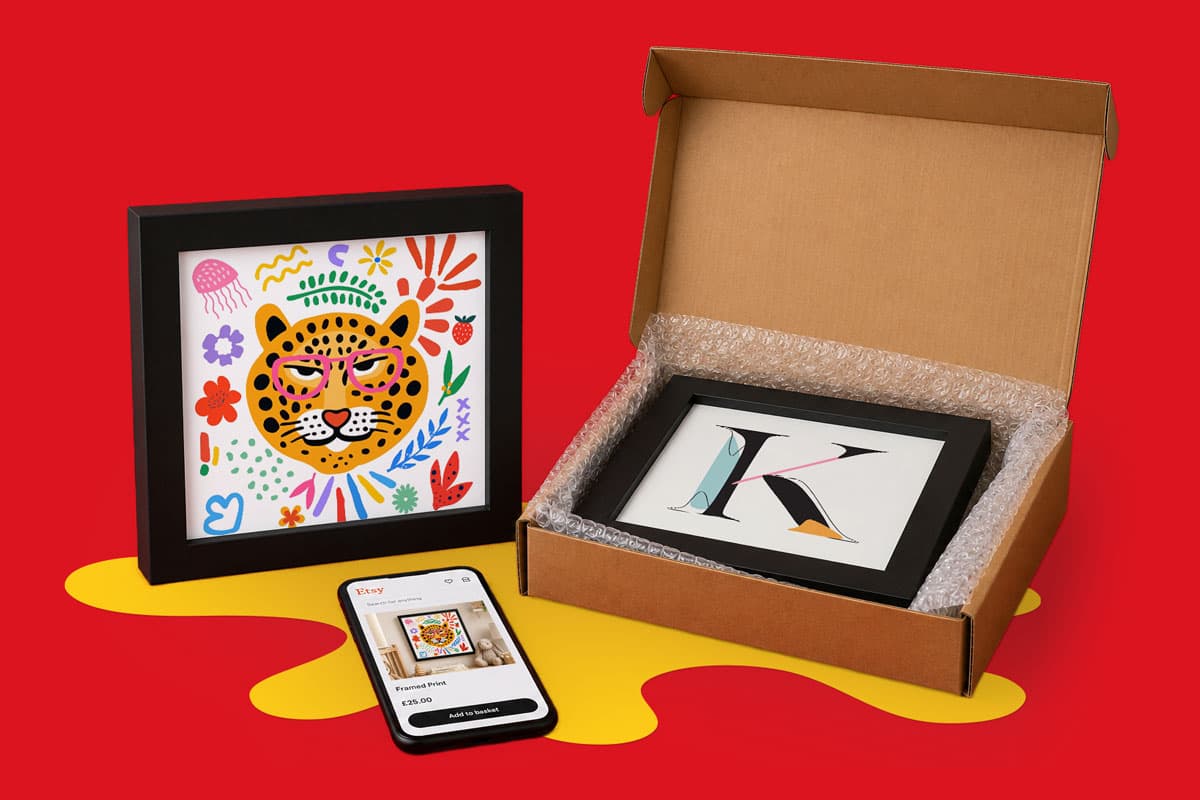
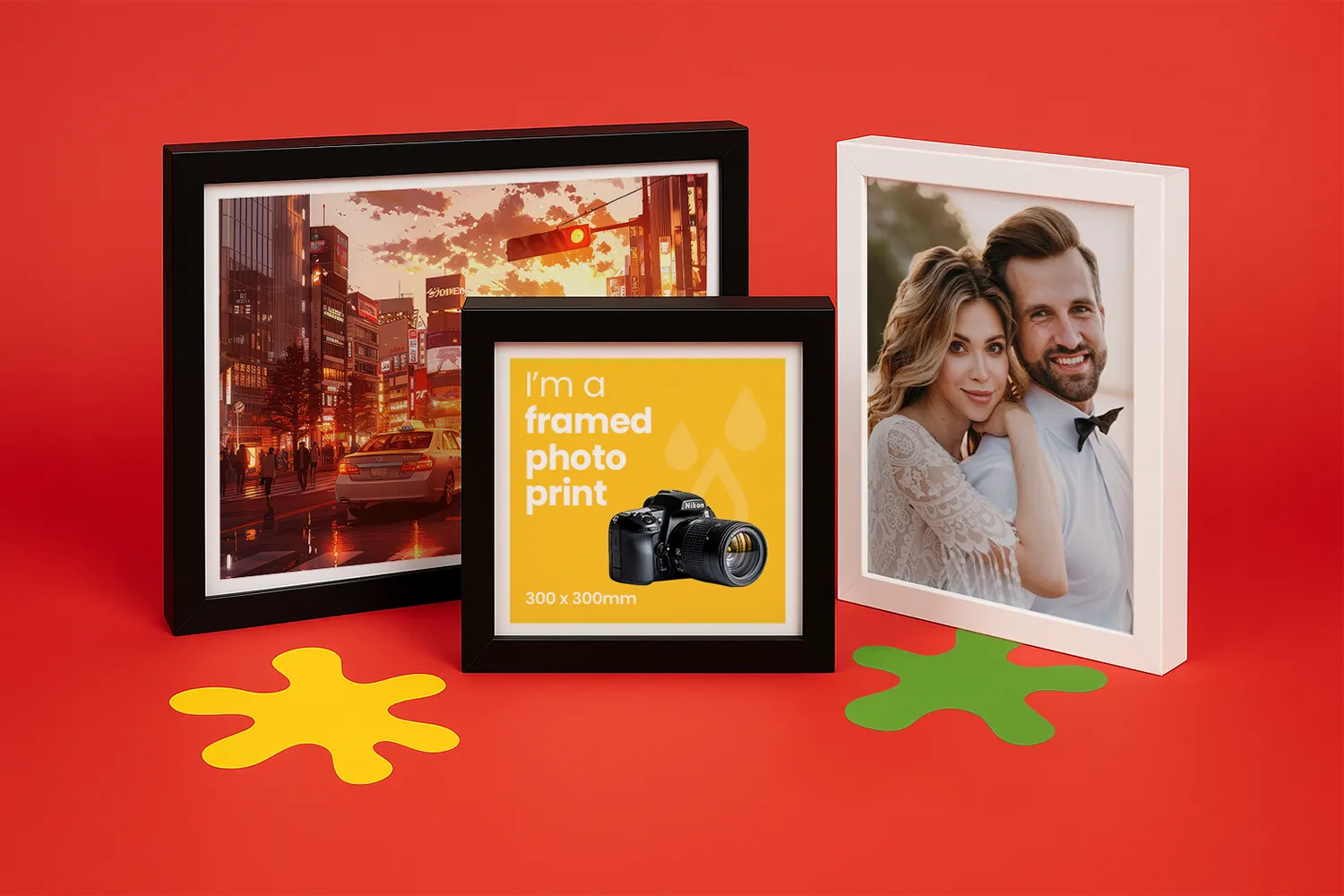
For art prints, include a clean main image that clearly shows the design. Then use additional images to show scale, detail and context. A room mock up can help shoppers imagine the print in their own home, while a close up can show colour, texture or finish.
For greetings cards, postcards and wrapping paper, lifestyle images can help buyers understand how the product will be used. Show the front of the design, the inside or reverse where relevant, and any envelope or packaging details that matter.
It is also worth keeping your product images consistent. If your shop has a clear visual style, it can feel more professional and easier to browse.
Pricing your Etsy prints is not just about choosing a number that feels right. You need to understand your costs and make sure there is enough margin for your shop to grow.
It can be tempting to price low when you are first starting out, but this can make it harder to build a sustainable shop. Instead, look at comparable listings, understand your own costs and think about the value of the finished product.
If you are selling personalised artwork, your time should be included too. A custom illustration that takes several hours to create should not be priced in the same way as a print that is ready to send.
You may also want to create different price points. For example, you could offer postcards or A5 prints as lower cost products, then larger art prints or personalised pieces at a higher price.
Digital downloads can be appealing because there is no physical stock to hold and no packing or postage to manage. Customers buy the file, download it and print it themselves.
However, digital downloads also come with limitations. The customer controls the final print quality, paper choice and finish, which means the final result may not always reflect the quality of your original artwork.
Physical prints give you more control over the finished product. You can choose the paper stock, size and finish, then present your artwork in a way that feels more professional and giftable.
You do not necessarily need to choose one or the other. Some Etsy sellers offer digital downloads, physical prints and personalised print options so customers can choose what suits them best.
If you want to sell digital downloads, make sure your files are high quality and easy for the customer to use.
Your listing should clearly explain what the buyer will receive. Include the file format, size options and whether the product is digital only. Make it clear that no physical product will be posted if that is the case.
You should also create strong listing images. Even though the product is digital, buyers still need to see what they are purchasing. Use mock ups, close ups and examples of how the artwork could look when printed.
Descriptions are especially important for digital downloads. Explain how the customer can use the file, what they are allowed to do with it and whether it is for personal use only.
Selling artwork on Etsy does not just mean designing wall prints. Greetings cards are a strong option because they suit so many occasions throughout the year.
Birthdays, weddings, anniversaries, Mother’s Day, Father’s Day, Valentine’s Day, Christmas, new baby cards and thank you cards can all give sellers regular reasons to create new designs.
Personalised cards are especially well suited to Etsy because shoppers often visit the marketplace when they want something thoughtful or specific. Names, dates, illustrations, messages and custom details can all make a card feel more meaningful.
When planning a card range, map out the year in advance. Seasonal products often need to be listed before the occasion arrives, giving shoppers time to browse, buy and receive their order.
You can also reuse successful design styles across different occasions. A floral illustration could become a birthday card, thank you card, wedding card and anniversary card. A character design could become a full range of occasion cards.
WTTB’s printed greetings cards can help turn your designs into professional card products, with options to suit different styles and occasions.
Postcards can be useful products in their own right, but they can also support your wider Etsy shop.
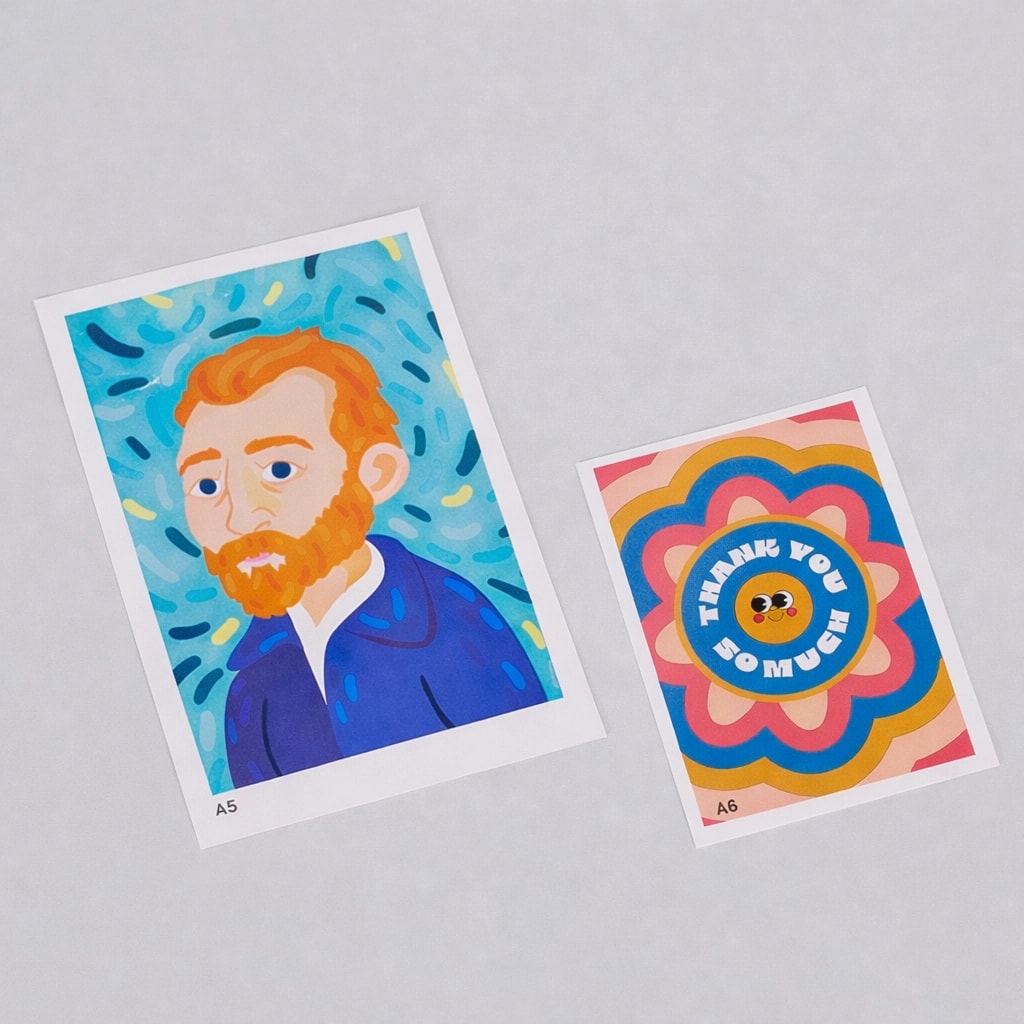
Artists and designers often use postcards as mini prints, thank you cards, promotional inserts or bundle items. They are simple, affordable and easy to include with customer orders.
A branded thank you postcard can make your packaging feel more considered. It can also encourage repeat orders by including your shop name, social media handle or a short message asking buyers to leave a review.
If you create artwork collections, postcards can also be used as lower cost products that introduce customers to your style before they buy a larger print.
WTTB’s postcard printing can be a useful option for mini prints, thank you cards and Etsy order inserts.
Once your Etsy shop is live, the work does not stop. Your early listings can give you valuable insight into what shoppers are interested in.
Use Etsy Stats to review visits, orders, conversion rate and revenue. Look at which listings are getting traffic and which are not. If a listing is getting views but no orders, the issue may be the price, product image, description, delivery cost or personalisation options. If a listing is getting very little traffic, you may need to review the title, tags, category and product images.
You can also look for patterns. If one illustration style performs well, think about whether it could become a wider range. If a personalised card sells well for one occasion, could you adapt the format for another?
Small changes can make a big difference, but make them carefully. If a listing is already bringing in traffic and sales, avoid changing everything at once. Test updates gradually so you can understand what is working.
Selling prints on Etsy can be rewarding, but there are a few common mistakes that can hold sellers back.
One of the biggest mistakes is uploading a product without enough information. Buyers need to know what size the print is, whether a frame is included, what paper is used, how personalisation works and when they can expect delivery.
Another mistake is using unclear images. If the product photo is too dark, too busy or too small, shoppers may scroll past it even if the design itself is strong.
It is also important not to ignore costs. Etsy fees, packaging, postage and your time all affect profit. A product may sell well, but if the margin is too low, it may not be sustainable.
Finally, do not treat your shop as finished once the listings are live. Etsy shops usually need testing, refining and updating over time.
Etsy gives artists, designers and small businesses a way to reach shoppers who are already looking for creative, personal and original products. The opportunity is there, but the strongest shops are built with more than good artwork alone.
To sell art prints successfully, think about your product range, print quality, listing images, keywords, pricing and customer experience. A design that starts as a single piece of artwork could become a print, card, postcard, invitation or wrapping paper range.
Whether you’re launching your first Etsy shop or looking to improve an existing one, professional print can help your products feel ready to sell from the moment they arrive. With the right setup, support and print quality behind you, you can turn your artwork into products that feel polished, practical and ready for customers to buy.
Both can work. Digital downloads are simple to fulfil, but physical prints give you more control over print quality, paper choice and presentation. Some sellers offer both to give customers more choice.
Popular sizes often include A5, A4 and A3, but the best size depends on the artwork and customer. Smaller prints can work well as affordable gifts, while larger prints are better suited to wall art and statement pieces.
Start by working out your print cost, packaging, delivery, Etsy fees and the time involved. Then look at comparable listings and choose a price that gives you a realistic profit margin.
Yes. Greetings cards are a natural way to turn artwork into a product people can buy for birthdays, weddings, thank you messages, Christmas and other occasions.
Use clear product titles, strong images, useful descriptions and relevant tags. Show the product clearly, explain who it is for and make the buying process feel simple.
It depends on your shop. Printing in advance can help you send orders quickly, especially for popular products. Ordering as you sell can be useful when testing new designs or offering a wider range without holding stock.
Posted on August 1, 2022 by Ben Riches
Related topics:
£24.24
£24.59
£17.86

£47.20
£40.55