Prices
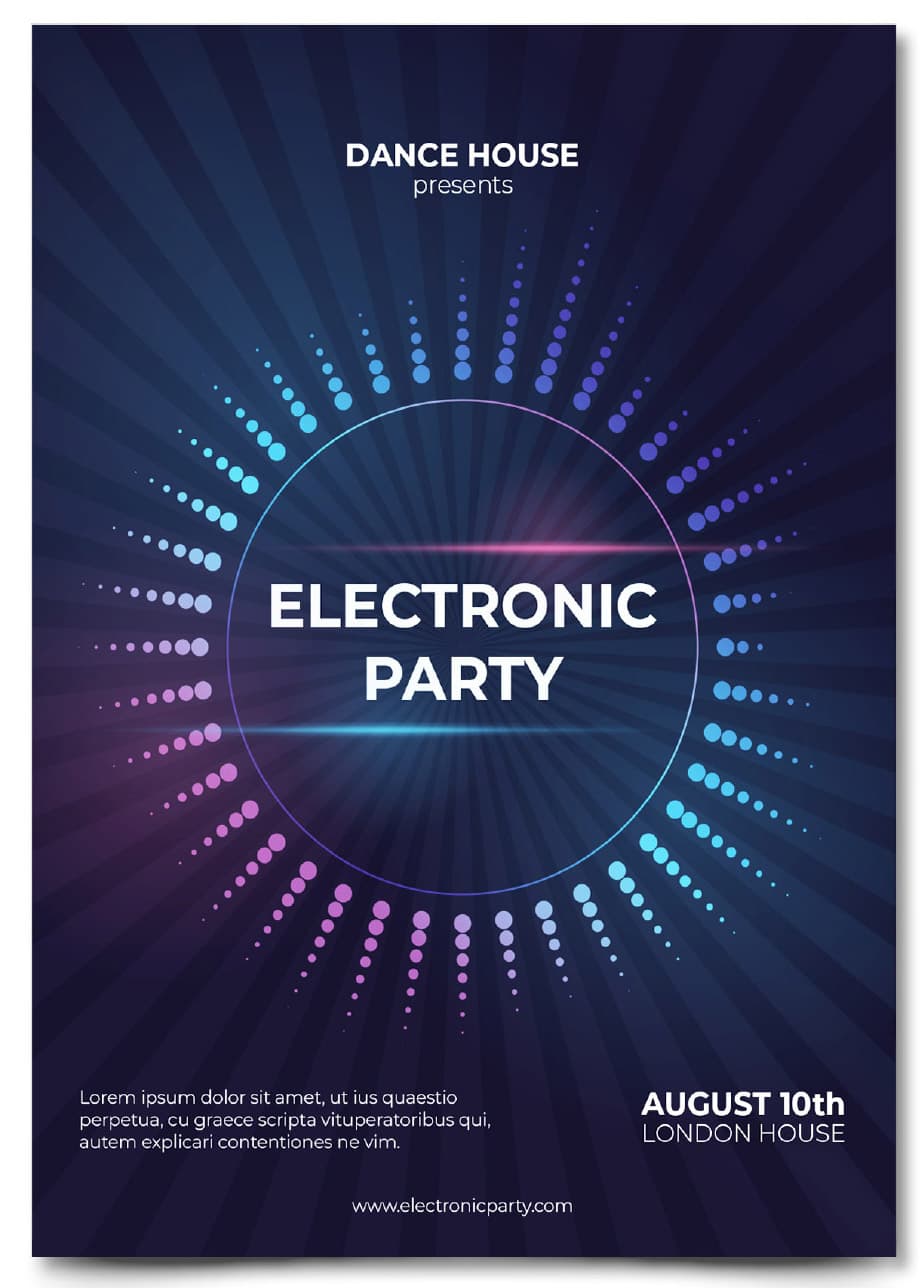
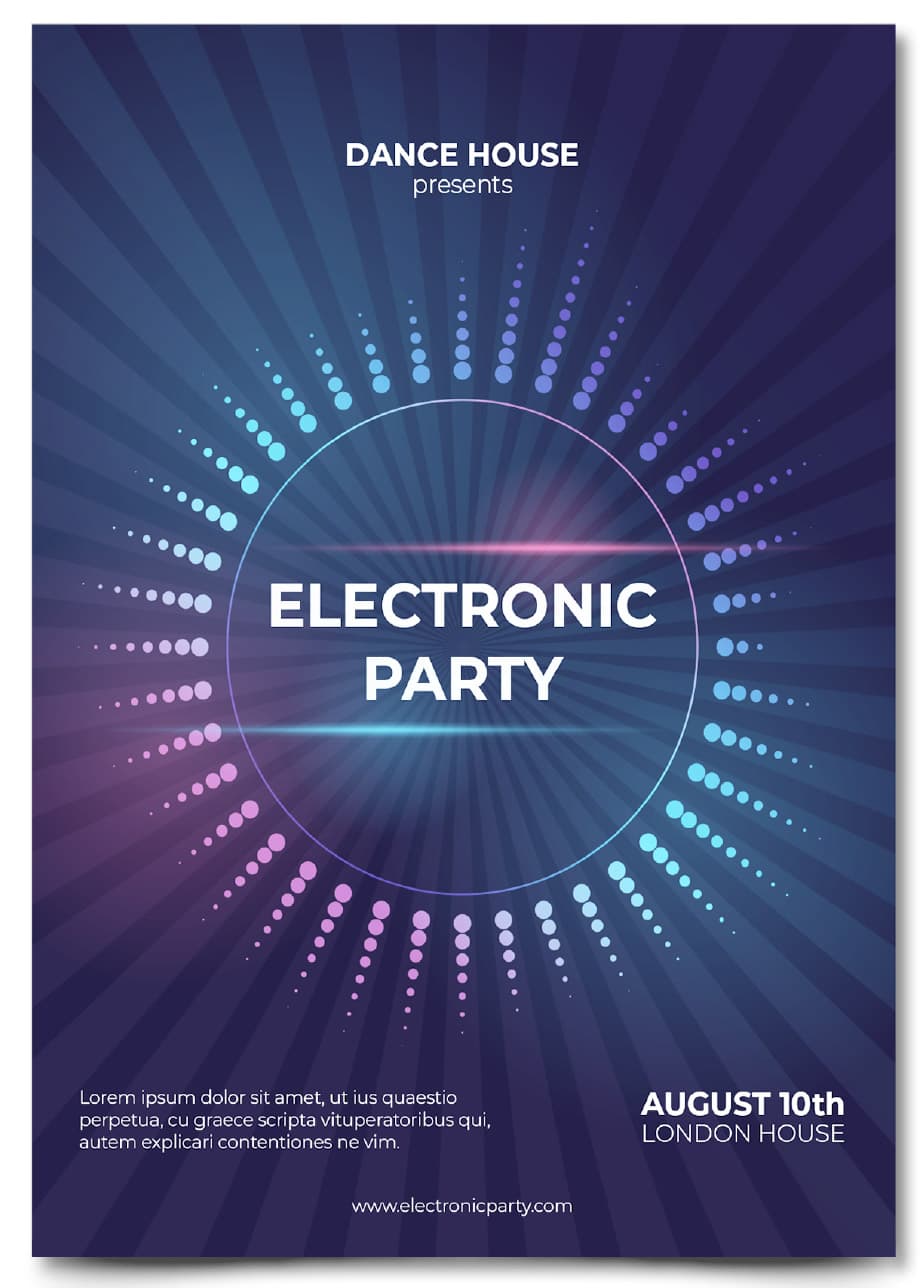
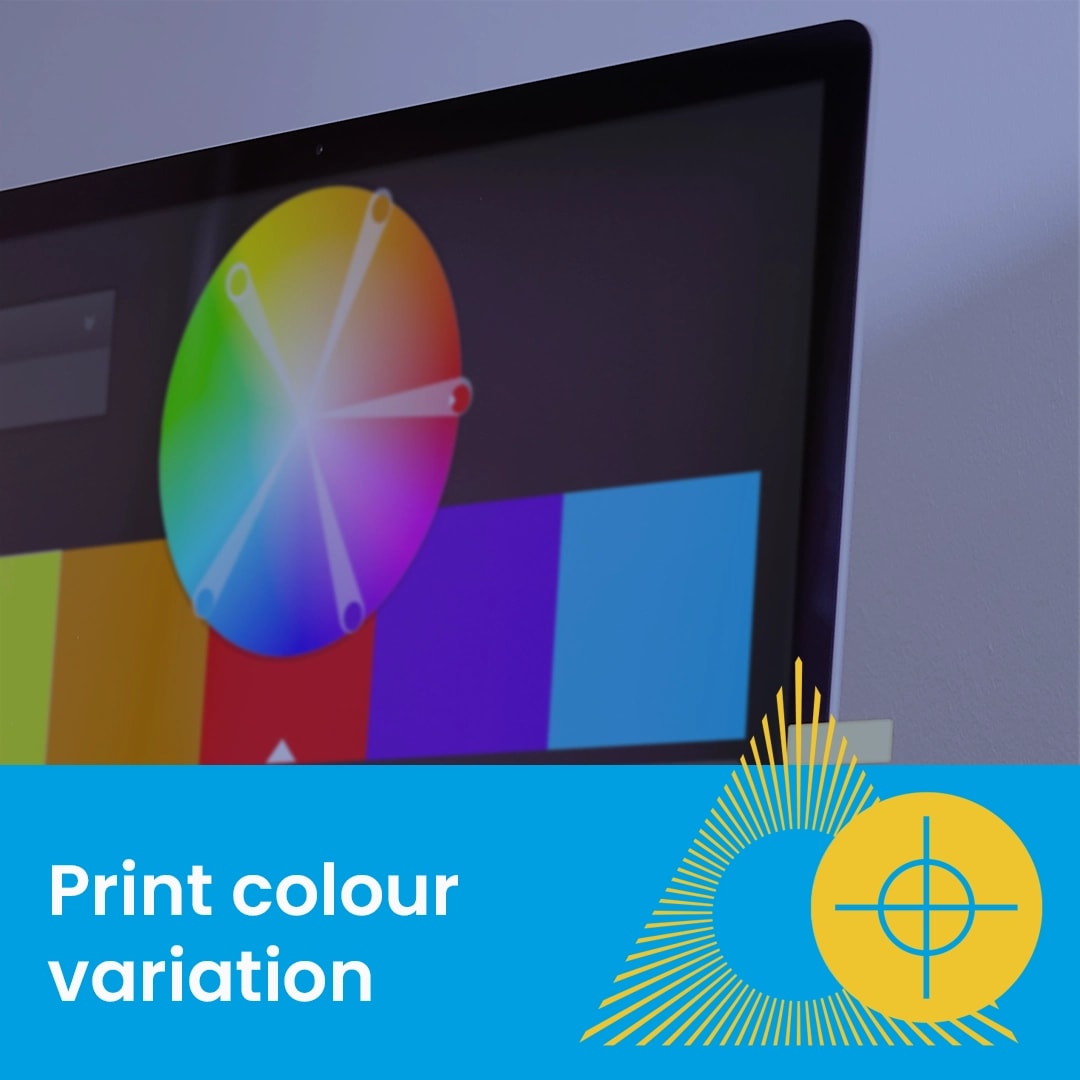
When ordering across different product ranges, it is important to understand that colour results may not be an exact match due to the different technologies used. Here is a guide to the three main printing processes and how they affect your final product.
Digital printing is often used for short-run projects and delivers a sharp, vibrant finish.
Process: This method uses a dry toner process where the pigment is fused directly onto the surface of the paper.
Finish: Because the ink sits on top of the sheet rather than soaking in, it provides a very crisp and bright result.
Litho printing is the traditional choice for larger runs, offering a smooth and professional feel.
Process: This involves transferring liquid ink from a metal plate onto a rubber blanket, which then presses the image deep into the paper's fibres.
Finish: Unlike digital toner, the ink is absorbed into the material, resulting in a smooth, matt finish.
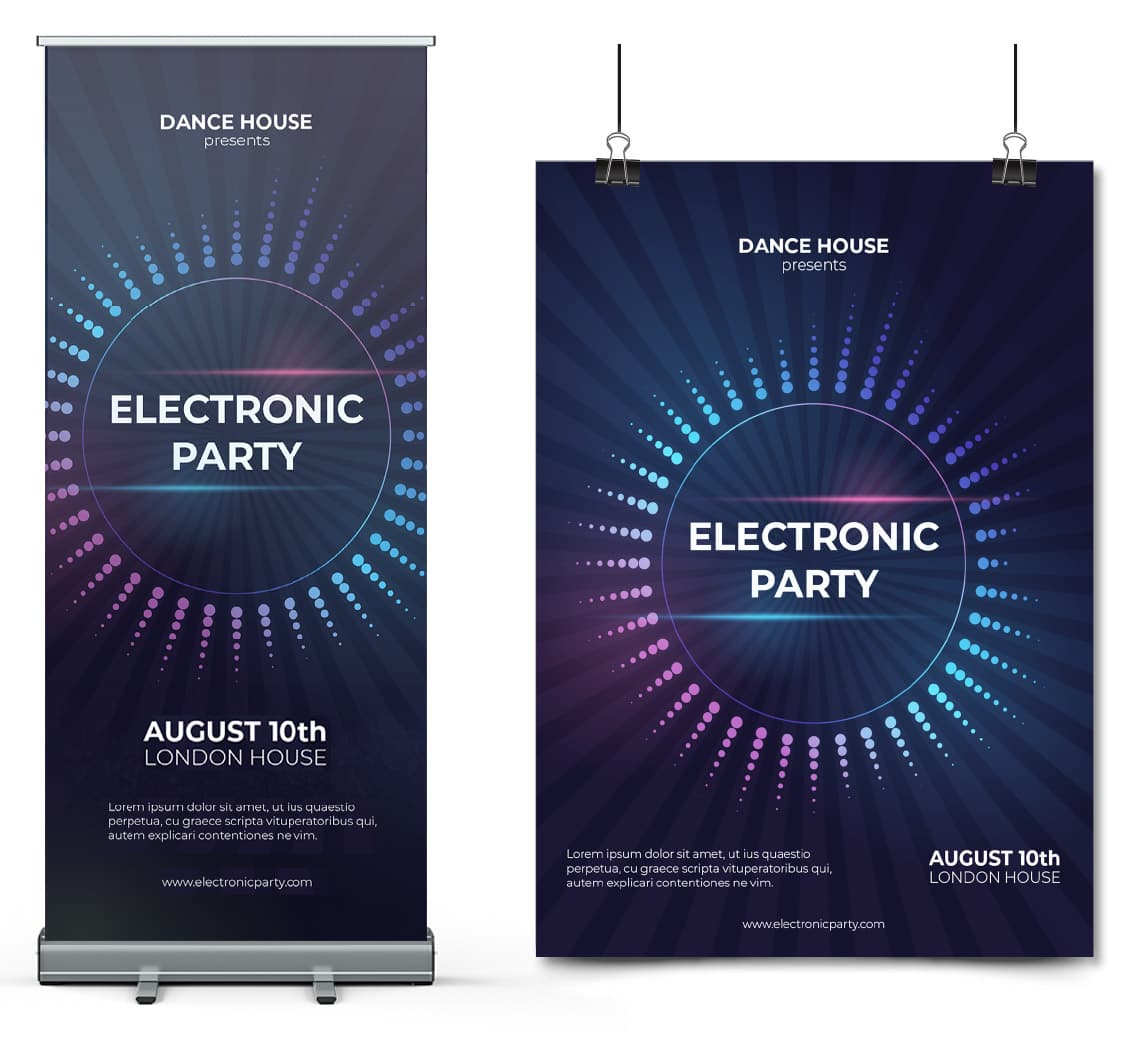
Large format printing (used for items like banners and posters) utilises a different technology and ink set entirely.
Process: This technology uses a variety of methods to apply colour, ranging from specialised liquid inks to dry toners, which differ from standard commercial presses.
Important Consideration: Because these processes are so different, a slight variance in colour is often unavoidable if you are ordering matching items, such as business cards (Litho/Digital) and large banners (Large Format).
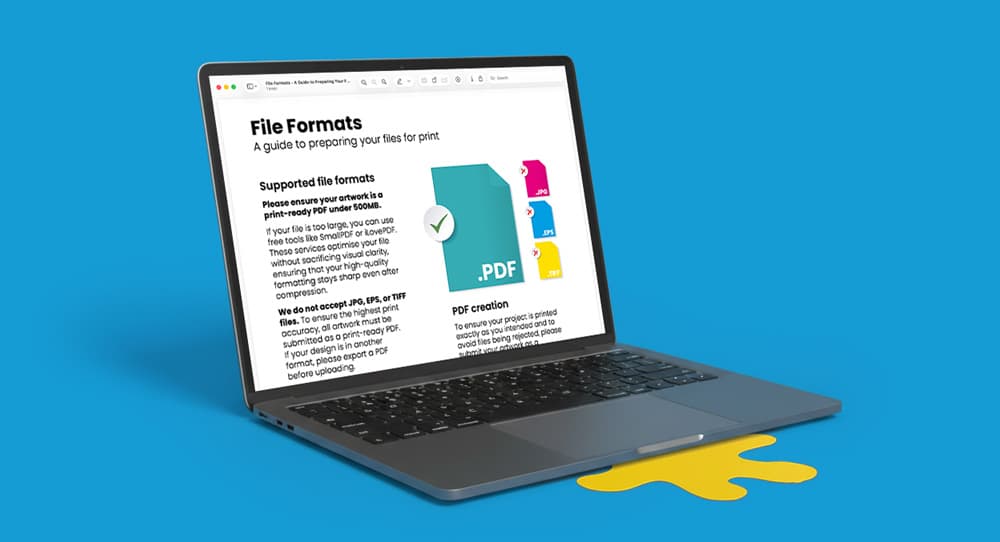
Need more help? Explore our additional support guides for expert advice on artwork setup, print file preparation, bleed and crop marks, colour setup, large format artwork and troubleshooting common print file issues.
Our support guides also cover paper stock selection, premium print finishes including spot UV and Scodix, preparing print-ready artwork and understanding the best setup for a wide range of printed products.
Before ordering, you can also use our artwork technical check tool to identify common artwork problems, including low resolution images, missing bleed, incorrect dimensions and RGB colour profiles.
You can also browse our full range of print products, including banners, business cards, flyers, posters and large format printing solutions.