Prices
Election campaigns can involve a surprising amount of print. A leaflet delivered through a letterbox has a very different job from a poster in a window, while signs, banners and event displays all bring their own practical considerations.
That means there isn’t one election printing format that suits every situation. Whether you’re organising a small local campaign or preparing printed campaign materials across several locations, understanding the options can make it easier to choose the right format, prepare your artwork and plan your print.
In this guide, we’ll look at some of the most common types of election print, where they can be used and what you’ll need to consider before ordering.
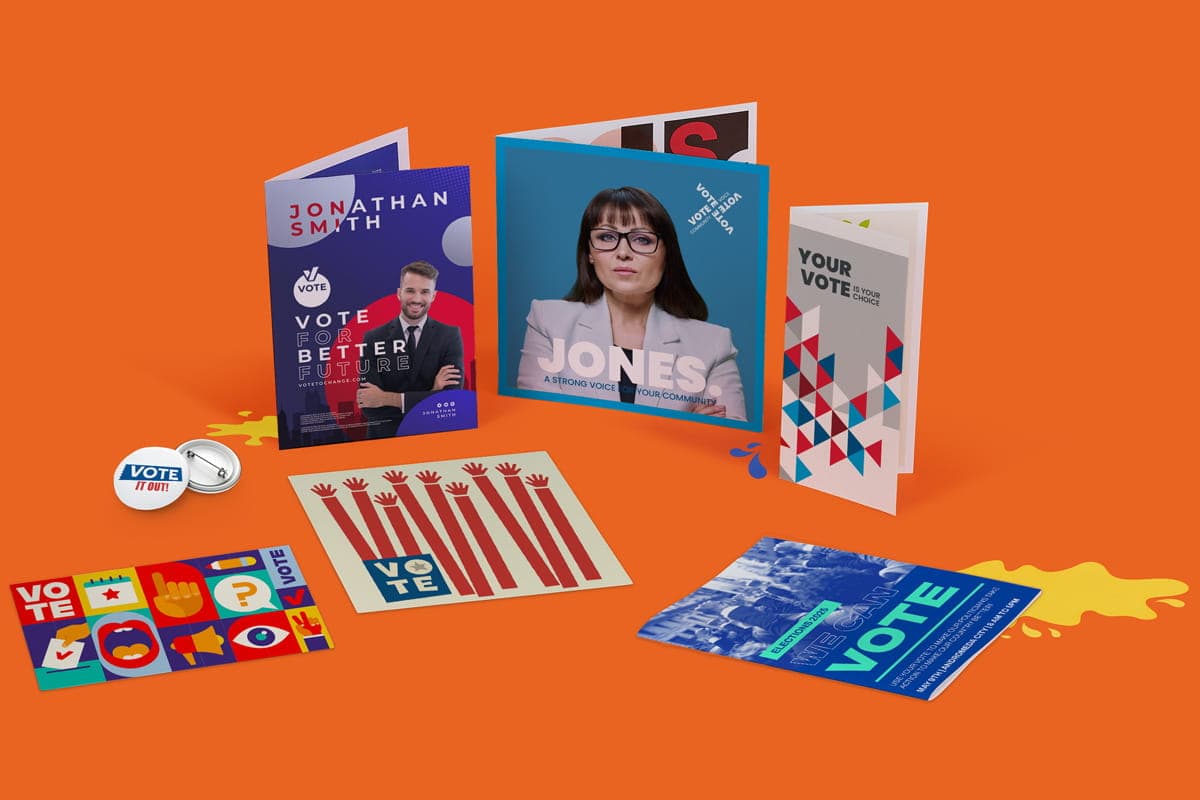
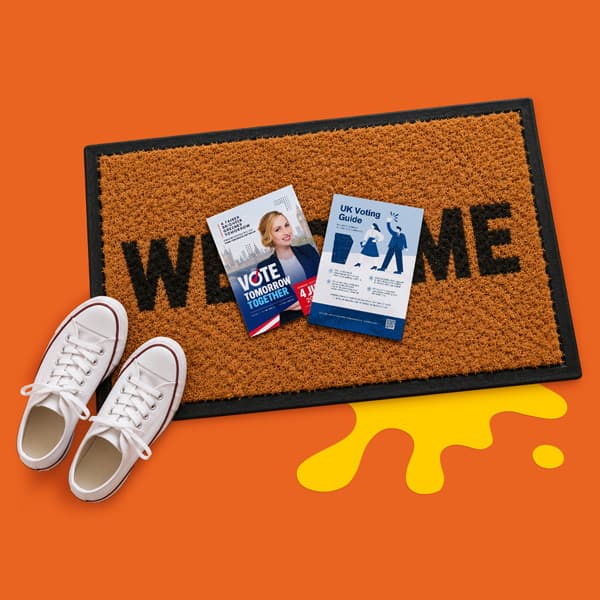
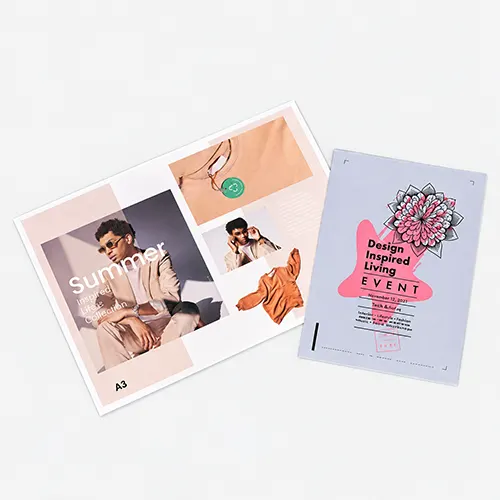
Leaflets and flyers are some of the most versatile options for campaign printing. They’re suitable for doorstep distribution, handing out at events or providing people with information they can take away and read later.
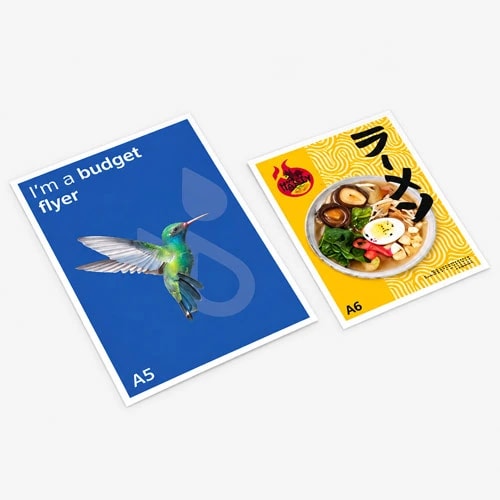
A flat flyer works particularly well when the information can be presented clearly across one or two sides. You can choose from familiar sizes such as A5 or A4, or use a custom size if your artwork calls for something different.
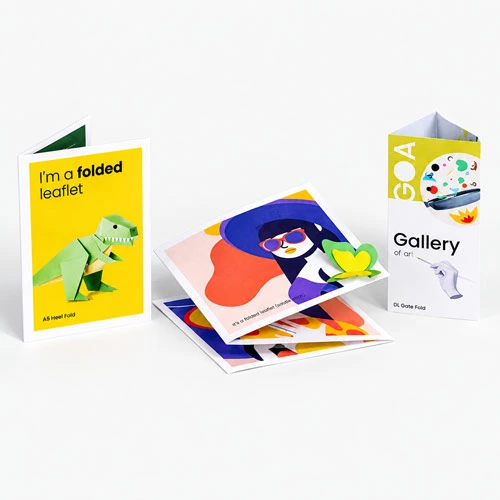
If you need more room, a folded leaflet gives you additional panels without requiring a larger finished piece. This can be useful when you’ve got several sections of information that you want to keep organised.
The key is to choose the format around the amount of content you actually have. Trying to fit too much information onto a small flyer can leave the finished design crowded, while choosing a complicated fold when you only need a small amount of space can add unnecessary complexity.
Sometimes a leaflet simply doesn’t provide enough room. Booklets can give you more space when your printed material contains several sections, detailed information or content that needs a clearer page structure.
Rather than reducing text and images until everything fits onto a leaflet, moving to a booklet can give the artwork room to breathe while allowing information to be separated across individual pages.
The amount of content should guide whether a booklet is the right format. If everything comfortably fits across a folded leaflet, a booklet might be unnecessary. If you’ve got enough material to make use of several pages, it can become a much more practical option.
You’ll also need to prepare booklet artwork differently from a standard flyer, so make sure you follow the template and artwork guidance for the binding option you choose.
Posters offer a larger printed format for campaign information displayed in one place. Unlike a leaflet, which someone can hold and read closely, a poster may often be viewed from further away. That makes the physical size of the finished print particularly important.
Choose the poster size around where it’ll be displayed. A poster intended for a small indoor noticeboard has very different requirements from something that needs to remain visible in a much larger space.
It’s also worth viewing your design at its intended size before ordering. Text that feels prominent while you’re designing on screen can appear much smaller once the artwork is placed within a larger printed format.
When you need something more rigid than a paper poster, printed boards can offer another option for political sign printing and campaign displays.
Correx Boards are lightweight rigid signs that can be used indoors or outdoors, with options including single or double sided printing, different sizes and drilled holes for installation. That can make them useful when you need a temporary sign rather than a flexible banner or paper poster.
Before ordering campaign signs, consider where they’ll be displayed. The size of the board, viewing distance, fixing method and whether both sides will be visible can all affect the specification you choose.
You should also make sure you’ve got any permission required for where your campaign material will be displayed.
When the available space is wider or you need a larger format, a campaign banner can provide considerably more printed area.
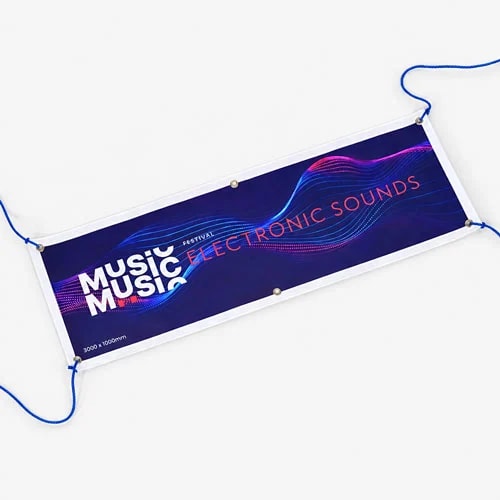
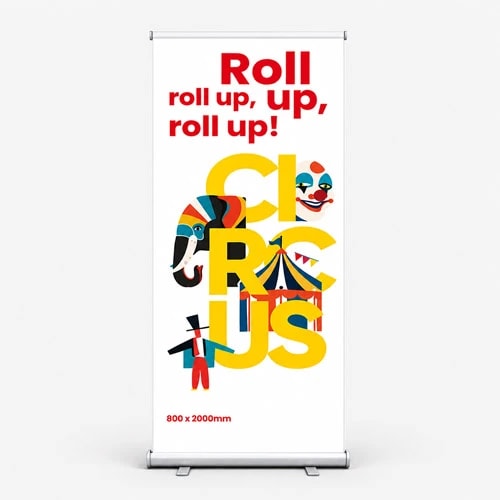
Outdoor PVC Banners are flexible and suited to larger outdoor displays, while Roller Banners provide a freestanding option for indoor campaign events and temporary spaces.
The important difference is how they’ll be used. A PVC banner needs to work within the location where it’ll be installed, while a Roller Banner comes with its own stand and can be moved between suitable indoor locations.
For either option, remember that larger doesn’t mean you need to fill every part of the artwork. Leaving enough space around important information can make a large format design much easier to view.
Election printing doesn’t have to stop at leaflets, posters and signage. Campaigns using indoor spaces, events or temporary locations may also need freestanding display products. Options such as Strut Cards, Stretch Displays and Pop Up Stands provide different sizes and structures depending on the space available.
There are also formats designed for outdoor environments, including Lamp Post Banners, Crest Flags and Bollard Covers.
The space itself should guide the format you choose. Check the available dimensions, how people will encounter the display, whether it needs to be moved and how it’ll be installed. That’ll help narrow down which option makes practical sense.
Printed campaign materials can also include smaller promotional products alongside traditional paper and display print.
Badges, stickers, notebooks, pens, keyrings, clothing and tote bags are all examples of products that can carry campaign artwork.
Artwork for these products can need a different approach, as the available print area may be significantly smaller than a leaflet or poster.
A design that works well across an A5 flyer won’t necessarily translate directly onto a badge, pen or keyring. If you’re adapting artwork across several products, check the individual templates rather than resizing the same file and assuming it’ll work everywhere.
The way your print reaches people can influence the format you choose. If leaflets are being handed out personally, you may have more flexibility over their size and format. If they’re being distributed through letterboxes, it’s worth considering how the finished product will be handled and delivered.
If you’re printing with us, you can also arrange leaflet distribution through Royal Mail. Campaigns can be planned around selected neighbourhoods, postcode areas or customer profiles, with Royal Mail handling delivery to homes.
Plan distribution before finalising your artwork, rather than leaving delivery until after the printing has already been ordered.
Printed election material needs to include an imprint showing who’s responsible for producing and publishing it. For materials such as leaflets and posters, this can include details of the printer, promoter and anyone on whose behalf the material is being published.
The exact requirements can depend on who’s campaigning and the election involved, so don’t simply copy wording from another campaign or previous piece of artwork.
We’ve covered this in more detail in our Election Imprints guide, including what information may be required, where an imprint should appear and the additional considerations that apply to some elections. Always check the latest Electoral Commission guidance before approving election artwork for print.
Once you’ve decided what you’re printing, it’s important to prepare the artwork for that specific product.
Check the document dimensions, bleed, safe area, colour setup, fonts and image quality before exporting your final file. Requirements can differ between products and printers, so always check the specification or template for the product you’re ordering rather than assuming the same setup applies across everything.
It’s also worth checking the colour requirements before exporting. CMYK is commonly used for professional print, while artwork supplied using RGB or Pantone colours may need to be converted, which can result in differences in the finished colour.
Folded products need a little extra attention too. The fold type affects how each panel is arranged, so make sure your artwork follows the correct template and that everything sits in the right place before exporting your final file.
If you’re preparing artwork for WTTB, we ask for files to be supplied as print ready PDFs and most of our products require 3 mm bleed. Our Support Guides can help with areas such as PDFs, bleed, colour and other common artwork requirements.
For extra peace of mind when ordering with us, you can also choose one of our artwork technical checks. These review the technical setup of your file rather than checking spelling, wording, design choices or the legal accuracy of an election imprint.
Before sending your campaign print into production, it’s worth carrying out one final review.
Check that:
A few checks before ordering can prevent much more difficult changes once your artwork has entered production.
Different parts of a campaign can call for very different types of print. Flyers and folded leaflets give you portable handouts, posters and signs provide display options, banners cover larger spaces and merchandise offers formats beyond traditional paper print.
There’s no need to use every option. The right mix comes down to where the print will be used, what it needs to communicate and how people will interact with it.
Our Election Printing range brings together campaign handouts, signs, banners, displays and promotional merchandise in one place, with straightforward online ordering and free UK delivery.
Once you know which formats suit your plans, you can concentrate on preparing the artwork correctly and getting each piece ready for print.
Posted on September 1, 2026 by Ben Riches
Related topics: