Prices
You’ve created a design and chosen the products you’d like to sell. The next question is where customers will find them.
Online marketplaces can put your work in front of an established audience without requiring you to build an ecommerce website from the beginning. However, each platform attracts different customers and gives sellers different levels of control over their brand, pricing and customer experience.
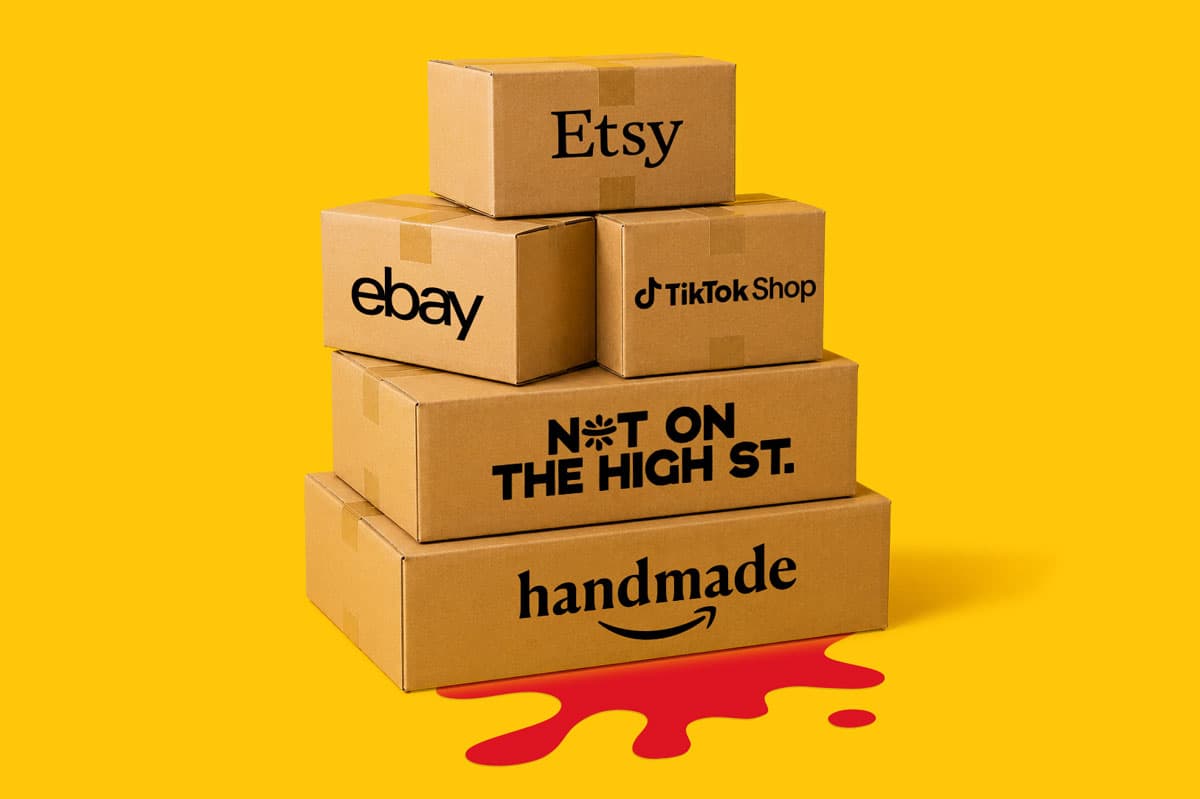
Etsy may suit an illustrator selling art prints and greetings cards, while Not On The High Street could appeal to a business creating premium personalised gifts. TikTok Shop can help products gain attention through video, while your own website gives you greater control but requires you to attract the audience yourself.
There isn’t one marketplace that’s right for every printed product or business. This guide compares the main options and explains what to consider before opening your shop.
The platform with the largest audience won’t automatically be the best fit for your products. Before creating an account, think about what you sell, who is likely to buy it and how you want to operate your business.
Consider why customers visit each platform. Some marketplaces are closely associated with handmade, personalised and creative products. Others serve a much broader audience that may be searching by price, convenience or delivery speed.
Look through the categories you would use and review the products already appearing there. This can help you understand the expected price range, photography style and amount of competition.
A marketplace gives you access to its existing structure and customers, but you’ll need to follow its listing, branding and communication rules.
Your own online shop offers more control over the appearance and customer journey. However, you’ll also be responsible for generating traffic, managing the website and building trust with new visitors.
Possible costs include listing charges, transaction fees, payment processing, advertising and monthly subscriptions.
These charges can change, so always review the marketplace’s official seller information before setting your prices. Calculate the total cost of completing an order rather than looking at one fee in isolation. Your selling price may need to account for:
A product can generate sales without producing a sustainable profit, so work through the figures before launching.
Decide whether you’ll hold finished stock, print in smaller batches or order products as sales arrive.
Holding stock can help you dispatch quickly, but it requires storage space and an initial investment. Smaller print quantities can help you test demand without filling your workspace with products that haven’t sold.
You should also check what delivery speeds customers expect on your chosen marketplace and whether you can meet them consistently.
Etsy is strongly associated with independent creators, handmade goods, personalised items and design led products. It can suit businesses selling:
Opening an Etsy shop can provide access to people already searching for creative products. However, popular categories can be highly competitive. Strong product photography, clear titles and a distinctive collection will be important.
Etsy sellers are responsible for understanding the platform’s current listing and transaction charges. You can review these through the official Etsy seller information.
You create design led products with a clear style, theme or opportunity for personalisation.
You’ll be selling alongside many businesses offering similar products. Avoid building a range entirely around trends that hundreds of other shops are already following. A recognisable visual identity can make your listings easier to distinguish. For more specific guidance, read our guide to selling art prints on Etsy.
Not On The High Street is a curated marketplace that selects the small businesses allowed to sell through the platform. It focuses heavily on gifts, original products and personalisation. The marketplace states that applicants must operate from the UK or Northern Ireland. It may suit:
The application process means a new range will need a clear identity, professional presentation and a strong reason to be included.
Your products have a distinctive concept, giftable presentation and an established visual style.
Acceptance isn’t automatic. Review the current seller criteria and costs through the official Not On The High Street seller pages before preparing an application. Your products should feel like a connected range rather than a collection of unrelated designs.
Amazon Handmade provides approved artisans with a dedicated area for handcrafted products within Amazon. Sellers must apply and provide information about their products and how they’re made. Its potential appeal is access to customers who already use Amazon for a wide variety of purchases. Printed products could include:
You want to place handcrafted or personalised products within a much larger shopping environment.
Your brand will appear within the wider Amazon marketplace, so you may have less control over the surrounding customer experience than you would through your own website. You’ll also need to meet Amazon’s current seller requirements and customer service expectations. Review its official Amazon Handmade information before applying.
eBay supports a broad range of products and listing styles. Its Seller Hub brings listings, orders, performance information and selling tools into one place.It may work for:
Unlike a marketplace built specifically around handmade products, eBay attracts customers across a wide range of categories. This can provide flexibility, but your listings may compete heavily on price, delivery and seller feedback.
You have a varied range, serve a particular niche or want flexibility in how products are listed.
Businesses making or sourcing products specifically to sell must register as business sellers and follow the relevant platform requirements. Review current business seller fees and policies through the official eBay Seller Centre.
TikTok Shop connects product listings with short videos, live content and creator led promotion. This creates a different shopping journey from a traditional marketplace. Customers may first discover a product while watching a video rather than searching directly for it.It can suit:
TikTok provides a dedicated Shop Academy covering account registration and platform operation for UK sellers.
Your products are visually engaging and you’re willing to create regular content showing how they’re designed, made, packed or used.
Simply uploading product listings may not be enough. The platform is closely connected with content, so sellers should be prepared to film, publish and test different creative approaches. Features and requirements can change quickly. Check the latest information through the official TikTok Shop Academy.
Selling through your own website gives you greater control over:
You won’t be surrounded by competing listings, and customers can explore your whole range without being directed towards another seller.
The challenge is visibility. A new website doesn’t automatically come with an audience. You’ll need to attract visitors through search, social content, advertising, email marketing, events or offline promotion. Your own website may work best once you’ve developed a recognisable range and have started building an audience.
It can also operate alongside marketplace shops rather than replacing them completely. For example, a creator might use Etsy to reach new customers while using social media and printed inserts to introduce repeat buyers to their own website.
Platform | Often suitable for | Main advantage | Main consideration |
|---|---|---|---|
Etsy | Art prints, stationery, wedding products and personalisation | Established creative audience | Strong competition in popular categories |
Not On The High Street | Premium gifts and distinctive personalised products | Curated marketplace positioning | Application and selection process |
Amazon Handmade | Handcrafted products with broad appeal | Access to Amazon customers | Less control over the wider shopping environment |
eBay | Varied, collectable and niche products | Flexible categories and selling tools | Customers may compare heavily on price and delivery |
TikTok Shop | Visual, demonstrable and trend led products | Discovery through video and creators | Requires an active content strategy |
Your own website | Established or growing product brands | Greater control over branding and customer relationships | You must attract your own traffic |
You don’t necessarily need to choose only one route. Some businesses use a marketplace for discovery while developing their own website for repeat customers and wider brand building.
Avoid launching everywhere at once unless you have the capacity to manage listings, stock and messages across several platforms. It’s usually better to establish a reliable process on one channel before expanding.
The right products will depend on your designs, audience and the marketplace you choose.
Illustrations, photography, typography and graphic designs can be adapted across several sizes. Selling unframed prints can make storage and delivery simpler, while framed options can create a higher value product. Create mock ups or clear product photographs that show scale, paper appearance and how the design may look within a room.
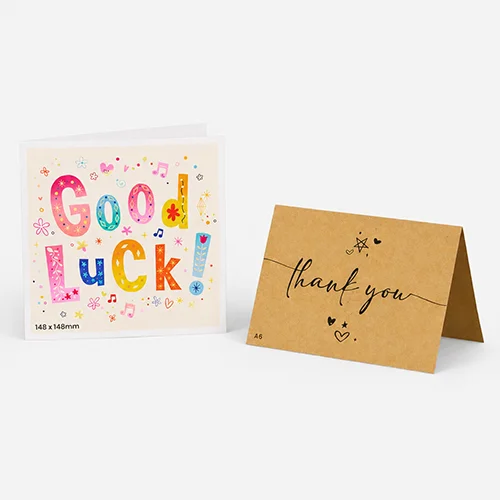
Cards can be sold individually, in multipacks or as coordinated sets. Occasion based products can perform throughout the year, while wedding and event stationery can create opportunities for personalisation and matching items. Make the product dimensions, paper and envelope details clear within each listing.
Stickers can work as lower priced products, additions to larger orders or components within a themed collection. Consider whether customers will use them for packaging, laptops, planners, windows or outdoor applications. The intended use should influence the material and finish.
A single design can be expanded across notebooks, notepads, bookmarks, cards and other paper products. This can help you build collections rather than relying on one standalone item.
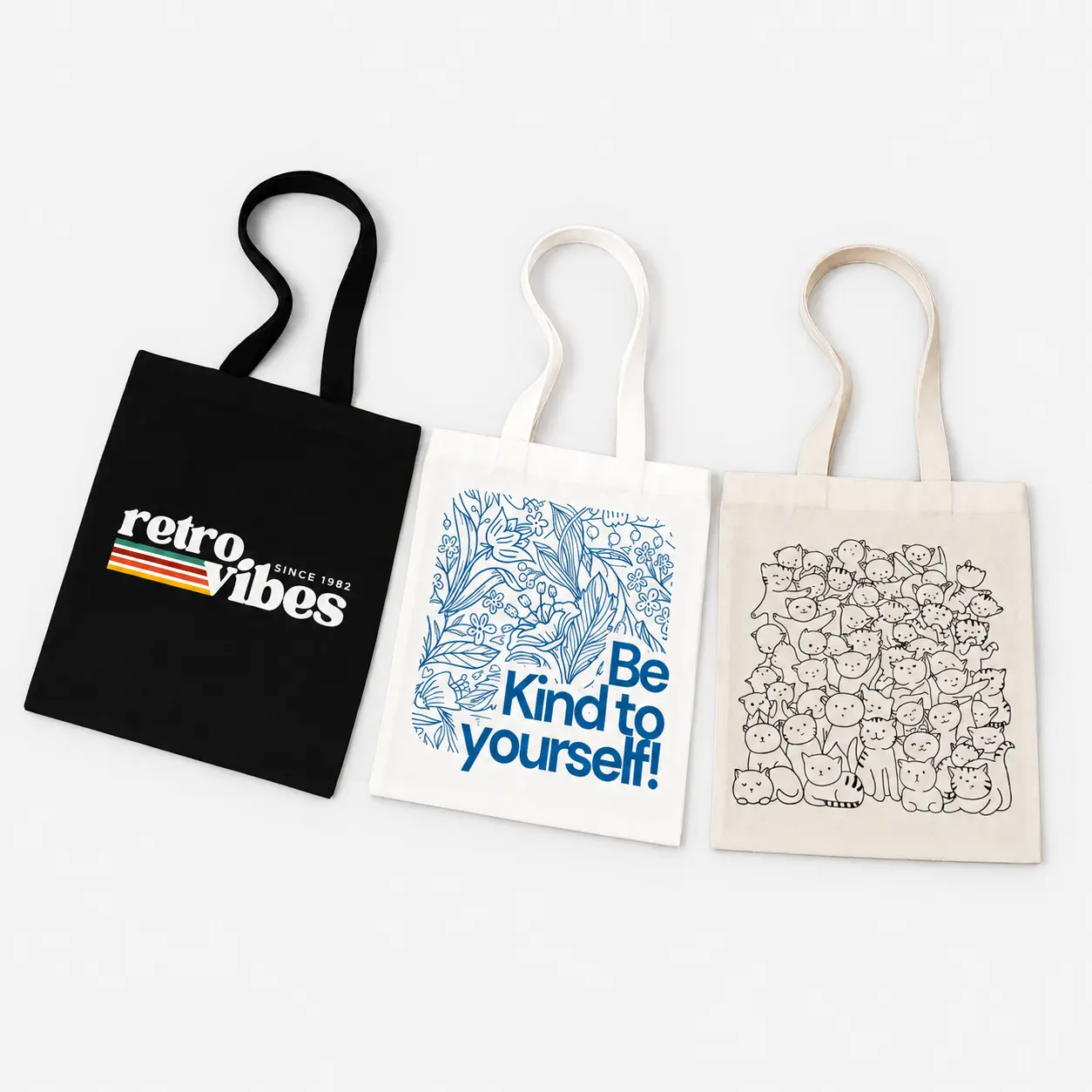
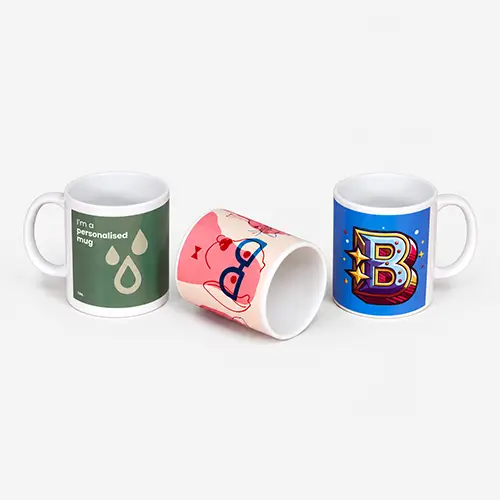
Designs that begin as posters or cards can sometimes translate into mugs, clothing, bags and other merchandise. Don’t assume every design will work on every product. Adjust the artwork to suit the shape, printable area and way the item will be viewed.
A strong marketplace shop should feel connected. This doesn’t mean every product must look identical. A collection might share a colour palette, illustration style, subject, audience or type of humour. One design could become:
Expanding a proven design can be more effective than continuously introducing unrelated ideas. Our Canva templates can help you prepare designs using the dimensions of selected print products.
There are two main approaches.
Ordering a batch in advance means you can inspect, pack and dispatch products yourself. It can suit established products with predictable sales. Ordering more may also reduce the unit cost, depending on the product and specification.
However, you’ll need to pay before the items sell and provide somewhere to store them.
For selected products, you may be able to place an order when a customer buys from your shop. You enter the customer’s address during checkout, the order is then delivered without WTTB branding, paperwork or pricing inside the parcel.
The WTTB Marketplace Print Hub explains how the process works in more detail
This can reduce the amount of stock you hold and help you test designs. However, WTTB doesn’t automatically receive orders from your marketplace. You’ll still need to place and manage each matching print order yourself.
You should also check that the available production and delivery times fit the dispatch promises shown in your listings.
A design can look different on a physical product than it does on a screen. Before publishing your listings, check:
Use the physical item to create accurate photographs and listing descriptions. Customers should be able to understand what they’ll receive, particularly where size, texture or finish affects the product. Sample packs can also help you compare paper and materials before selecting a specification for your range.
Each product has its own artwork dimensions and production requirements. Before uploading your file:
A design prepared for an online listing image won’t necessarily be suitable for printing. Marketplace graphics are usually created for screens, while professional print files need the correct dimensions, resolution, bleed and colour setup. Our support guides provide product specific help with preparing artwork.
WTTB helps online sellers turn designs into printed products without requiring them to manage production equipment themselves. Through the Marketplace Print Hub, sellers can access:
Whether you’re testing your first design, expanding a successful collection or fulfilling individual customer orders, WTTB gives you the tools to grow at your own pace. Start small, learn what sells and turn your strongest ideas into a product range customers will want to return to.
The best online marketplace is the one that connects the right customers with your products while supporting the way you want to run your business. Etsy may suit creative and personalised designs. Not On The High Street can offer a curated setting for premium gifts. Amazon Handmade and eBay provide access to broader audiences, while TikTok Shop can help visual products gain attention through content. Your own website provides the greatest control, but you’ll need to build its audience.
Start with the platform that best matches your range and the resources you have available. Test your products, calculate the full cost of each sale and build a reliable fulfilment process before expanding.
When you’re ready to turn your designs into professionally produced products, explore the WTTB Marketplace Print Hub for printing, artwork support and white label delivery.
Etsy is a natural starting point for many illustrators, photographers and designers because customers already use it to find creative products. However, the best option depends on your audience, pricing and promotional plans. An independent website can offer more control once you have a reliable source of traffic.
Yes, provided you comply with the rules of each platform. Make sure stock levels, prices and delivery information remain accurate across every shop. Managing too many channels manually can create errors, so begin with a manageable number.
Not necessarily. You could order a small initial quantity, place print orders as customers buy or combine both approaches. Proven products may be kept in stock, while new designs are tested in smaller quantities.
WTTB doesn’t automatically import customer orders from your marketplace shop. When you receive a sale, you place the corresponding order through WTTB and enter your customer’s delivery address. Your order will be sent using white label delivery, so the parcel won’t include WTTB branding, pricing or promotional paperwork.
Include the complete cost of producing and completing the sale. This may include printing, marketplace charges, delivery, packaging, advertising, tax, replacements and your time. Your selling price should leave enough room for a sustainable profit rather than simply covering the printing cost.
Posted on March 27, 2026 by Emma Thompson
Related topics:
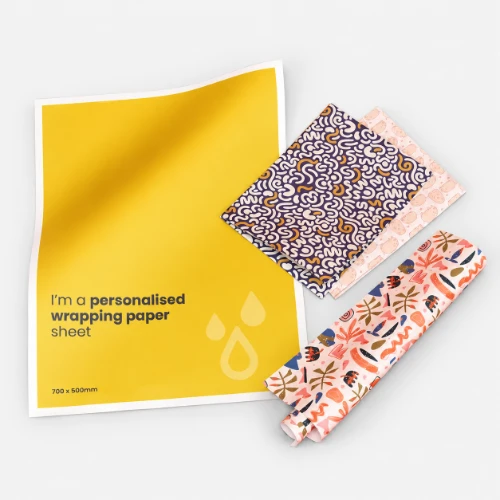
£24.24
£24.59
£12.06
£20.98
£17.07