Prices
Original artwork does not have to remain on paper or screen. With the right production support, one creative design can become a wider range of products, from art prints and printed greetings cards to personalised mugs, tote bags, calendars and more.
For designer and artist Paula Nicholls, moving Betty Boyns towards professionally printed products created a more flexible way to develop the business. By reducing the amount of finished stock she needed to hold and working with a print partner, she could focus more closely on creating artwork, responding to customer requests and expanding designs across new formats.
Her experience shows how artists can turn individual ideas into connected product ranges without managing every stage of production themselves.
Betty Boyns originally grew through fabric and homeware, but bespoke customer requests led Paula towards digital print and a broader range of professionally produced products.
This change allowed her to spend more time designing while relying on external production for the finished items. It also reduced the need to keep large quantities of stock ready before knowing which products customers would respond to.
For an independent artist, this kind of flexibility can make growth easier to manage. A design can be tested as a print or card before being adapted across mugs, tote bags, stationery or gift products.
Rather than committing to a complete range at once, artists can introduce products gradually and learn which formats suit both the artwork and the audience.
At the time Paula was developing Betty Boyns, she needed a way to continue working around changing personal circumstances.
Printed products offered a more manageable alternative to holding a large amount of fabric and homeware stock. Smaller orders and professional production made it easier to respond to individual requests without managing every part of the manufacturing process herself.
This remains relevant for many artists and marketplace sellers.
Holding stock can support faster dispatch, but it also requires storage space and an initial financial commitment. Ordering smaller quantities can help artists test demand and avoid being left with products that have not sold.
The right approach may involve a combination of both. Proven designs can be kept in stock, while newer ideas are introduced in smaller quantities until demand becomes clearer.
Colour was central to Paula’s work and one of her biggest concerns when choosing a print supplier.
She had previously found colour matching difficult, so receiving printed results that closely reflected her original files was especially important. Access to technical guidance also helped when questions arose during production.
Colour consistency matters for artists because even a small shift can change the mood of an illustration, photograph or coordinated collection.
Several factors can influence the final result, including:
Before ordering prints or products, it is useful to check that artwork is prepared at the correct size, uses suitable colour settings and includes clear safe areas around important details.
The surface forms part of the finished product.
A smooth paper can support bold colour and fine detail, while a more tactile stock may complement illustration, typography or softer colour palettes. Pearlescent and textured papers can add character, but they should support the artwork rather than compete with it.
The same principle applies across other formats.
A cream tote bag may soften the appearance of a design compared with bright white paper. A glossy ceramic mug can make colour feel cleaner and brighter. Fabric, card and coated surfaces will all reproduce artwork differently.
Before choosing a material, consider:
WTTB's Print Materials Hub can provide a helpful reference when comparing selected stocks and finishes.
One of the biggest opportunities for an artist is finding new ways for customers to experience the same creative style.
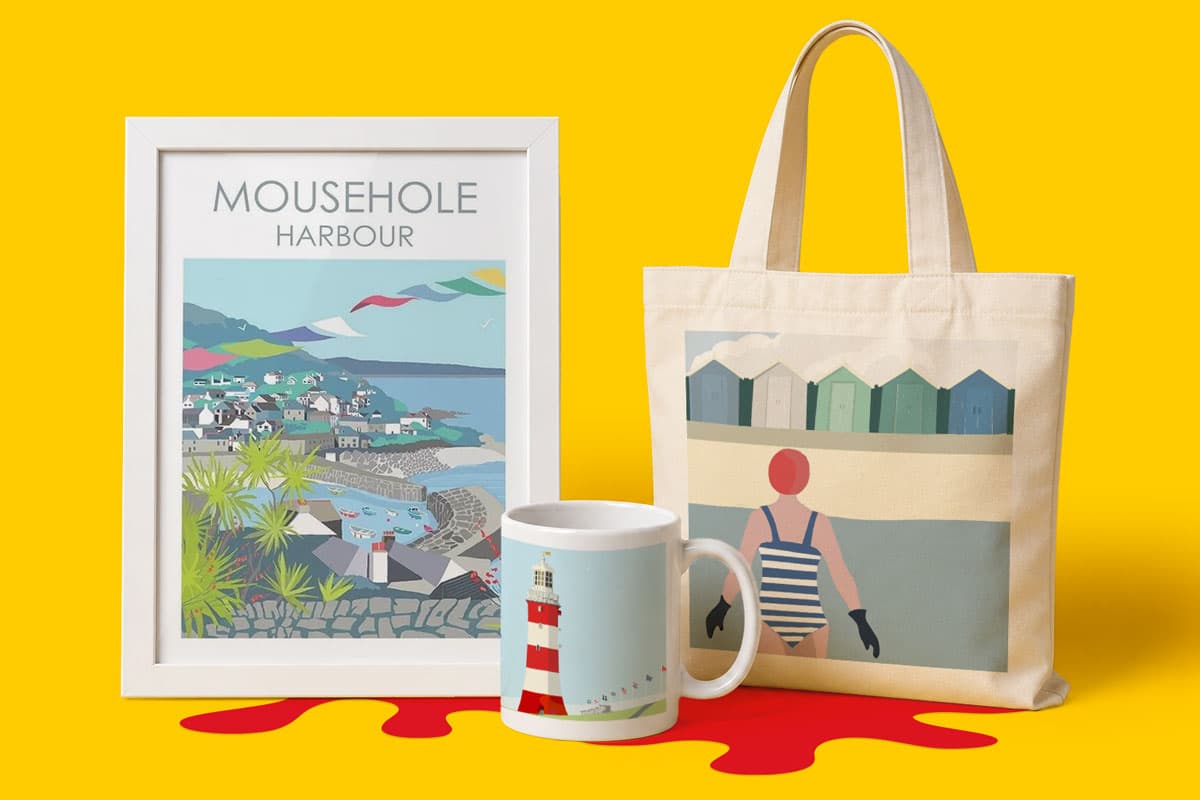
An illustration that begins as an art print could also become a mug, tote bag, greetings card, notebook, calendar or piece of wrapping paper. This gives customers several ways to buy into the collection while allowing the artist to reach different price points and occasions.
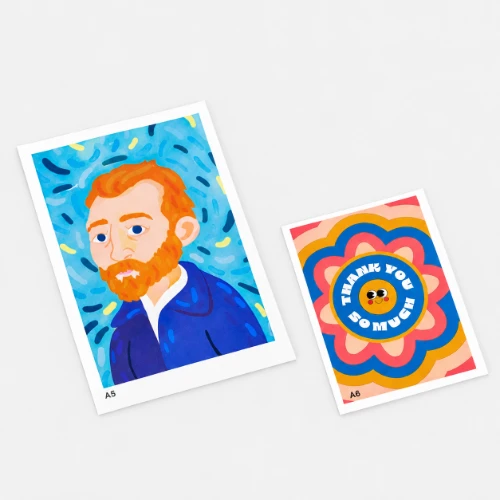
Art prints provide one of the most direct ways to reproduce an original illustration, photograph or digital design.
The size, paper and finish should support the character of the artwork. Bold graphic designs may suit smooth papers with strong colour reproduction, while softer illustration styles can work well on tactile uncoated stocks.
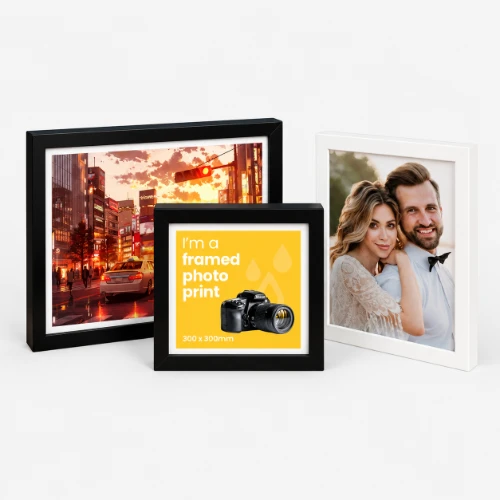
Framed prints can also help customers visualise the finished piece as a complete wall art product rather than a loose print.
Artists should consider how the design will look at different sizes. Fine details that appear clearly at A3 may become difficult to read on a much smaller print.
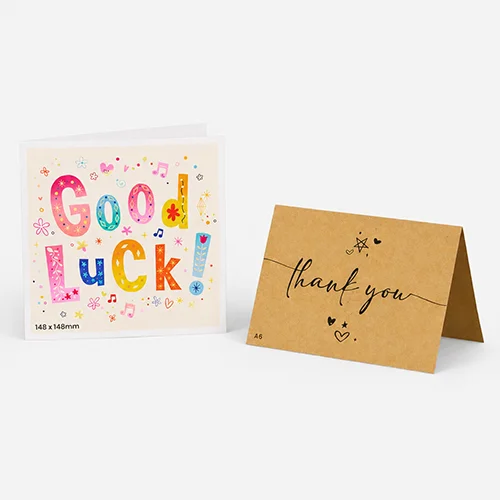
Greetings cards can introduce artwork to customers at a more accessible price and create opportunities around birthdays, weddings, seasonal occasions and everyday messages.
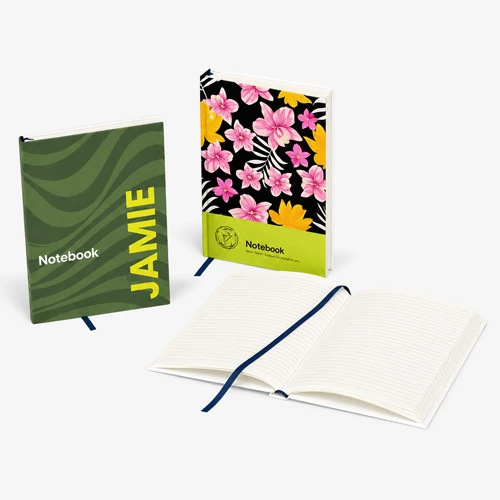
The same visual identity could extend to postcards, notebooks, bookmarks, calendars and notepads. These products often work best when they feel like part of one collection rather than separate and unrelated ideas.
The design may need to be simplified or repositioned for smaller formats. Text should remain easy to read, while important details should stay away from folds and trimmed edges.
A personalised tote bag gives artwork a practical, wearable format.
Simple illustrations, bold typography and repeating patterns can translate particularly well because the design needs to remain clear while the bag is carried or folded.
Artwork may need to be adapted for the printable area rather than copied directly from a poster or card. Fine lines and very small details may lose impact when applied to fabric.
Tote bags can work as individual products, additions to a wider collection or merchandise for artists selling at markets, exhibitions and events.
They can also help strengthen recognition because the design is seen beyond the original point of sale.
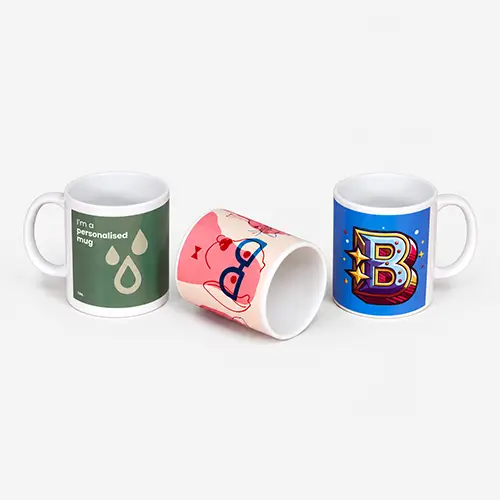
Personalised mugs can transform artwork into a giftable product with everyday use.
Designs should account for the curved surface and handle position. A wide illustration may wrap around the mug, while a smaller motif could appear on one or both sides.
The strongest mug designs usually remain recognisable from several angles and avoid placing important details too close to the handle.
Artists should also think about how the item will be photographed for an online listing. A design that looks strong as a flat file may need a mock up or physical photograph to show how it wraps around the product.
Artwork can also be expanded across other gift products where the format genuinely suits the design.
Calendars allow an artist to present several pieces of work within one product.
They can suit collections based on landscapes, nature, travel, food, typography or seasonal illustration. They also give existing artwork another commercial use without requiring every page to begin from nothing.
Seasonal ranges need to be planned early enough for design, production, photography and promotion. Launching too late can leave little time for customers to discover the product before the relevant occasion passes.
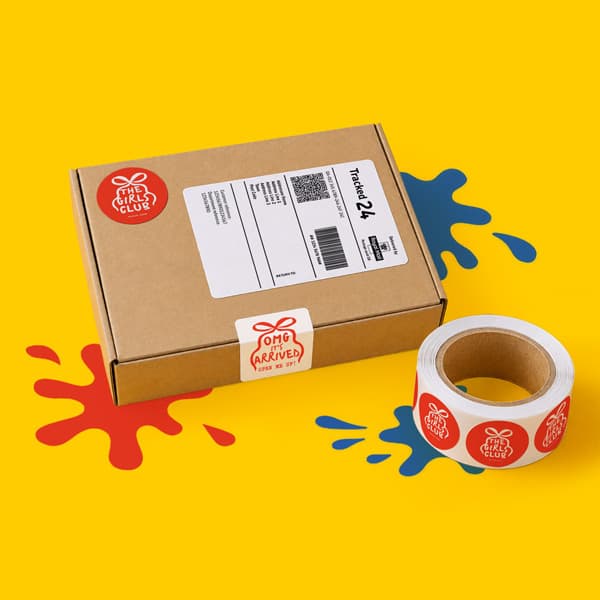
Patterns, repeated motifs and simpler illustrations can translate naturally into personalised wrapping paper, stickers, tags and other packaging details.
These products can be sold individually or used by the artist to package other orders. Consistent packaging can help a marketplace delivery feel more connected to the wider brand.
A design used on wrapping paper may need to become a repeating pattern, while a sticker may work better with a single recognisable motif.
Not every design needs to appear on every product.
A detailed landscape may work beautifully as an art print but lose impact on a smaller mug. A bold motif could feel too simple for a large poster but work well on a tote bag, sticker or notebook.
Before expanding a design, consider:
It can be more effective to create a smaller connected range than to place every design across every possible format.
Turning artwork into mugs, tote bags, cards, prints and stationery can involve several different production methods.
Managing everything independently may require specialist equipment, suitable materials, workspace and time. Working with a professional printer allows the artist to concentrate on developing the collection while production is handled separately.
This can be especially useful when expanding beyond paper products. A design that works as an art print may need to be simplified, repositioned or resized before it works effectively on a mug, tote bag or folded card.
Treating each format as its own product helps protect the quality of the artwork and creates a stronger, more consistent finished range.
Every product should be treated as its own design project.
Even where the same illustration is used, the composition may need to change according to the shape and size of the printable area.
For example:
Before uploading artwork, check:
These checks become even more important when the same artwork is adapted across several products.
WTTB's Support Guides include practical information about bleed, colour, file preparation and product specific artwork setup.
For additional reassurance, an Artwork Technical Check can help identify technical issues such as incorrect dimensions, missing bleed, low resolution images and unsuitable colour settings.
One of Paula’s plans was to create a professional presentation pack containing printed samples for prospective customers and clients.
This remains a useful approach for artists who want to reach galleries, independent shops, buyers or wholesale customers.
A presentation pack might include:
The contents should represent the strongest and most commercially relevant parts of the range. Sending every design can make the presentation feel unfocused, while a smaller selection can communicate the overall style more clearly.
The presentation itself should also reflect the quality of the products being offered. Consistent branding, clear product information and accurate physical samples can help a buyer understand how the collection may look within their shop.
Paula developed Betty Boyns through a mixture of online marketplaces, her own website and direct approaches to potential clients.
Each selling channel can serve a different purpose.
A marketplace can introduce work to customers already searching for creative products. An independent website gives the artist more control over branding, product presentation and customer relationships. Wholesale outreach can place products in physical shops and reach buyers who may not discover the work online.
For a closer comparison of Etsy, Not On The High Street, Amazon Handmade, eBay, TikTok Shop and independent websites, read our guide to the best online marketplaces for selling printed products.
Artists do not need to launch through every channel at once. Managing listings, customer messages and stock information across several platforms can become difficult, particularly for a small business. Starting with the channel that best matches the audience and available time can make it easier to build a reliable process before expanding.
Our Marketplace Print Hub brings together product ideas and practical guidance for artists, designers and online sellers exploring this route.
A connected range does not mean every product has to look identical.
Products can be linked through:
One illustration could appear as a print, card, mug and tote bag, while another design within the same collection could appear only on stationery.
The aim is to create enough consistency that customers can recognise the work, while still allowing each product to feel suited to its format.
The development of Betty Boyns shows that building a printed product range is not simply about placing artwork onto as many items as possible.
The strongest lessons are practical.
Different formats require different compositions. Select products that add value to the original design and make sense for the intended customer.
Smaller initial quantities can help identify which designs and formats customers respond to before more money is committed to stock.
Prepare artwork carefully, compare surfaces and check physical results rather than judging everything from a screen.
A recognisable visual style can unite art prints, cards, mugs, tote bags, stationery and gifts without making every product identical.
Physical products can help retailers, buyers and clients understand the quality, scale and finish of an artist’s work.
Artwork should be adjusted for each product rather than copied from one template to another without review.
Artists do not need to become manufacturing specialists. External production can make it easier to test products and extend a collection without investing in equipment for every format.
The development of Betty Boyns began with a change in direction. Moving from fabric and homeware towards printed products gave Paula a more flexible way to continue developing her work.
Art prints and greetings cards provided a natural starting point, but the same creative identity could extend across mugs, tote bags, stationery, calendars, packaging and gifts.
The key is to choose products that genuinely suit the design, prepare each file for its specific format and test physical results before expanding the range.
Artists exploring these options can browse the Marketplace Print Hub to compare products and find practical guidance for turning original artwork into a focused collection. It provides a useful starting point for testing ideas, learning what customers respond to and developing successful designs across new formats over time.
Posted on January 16, 2026 by Emma Thompson
Related topics:
£17.86
£47.20

£24.59
£12.06
£40.55