Prices
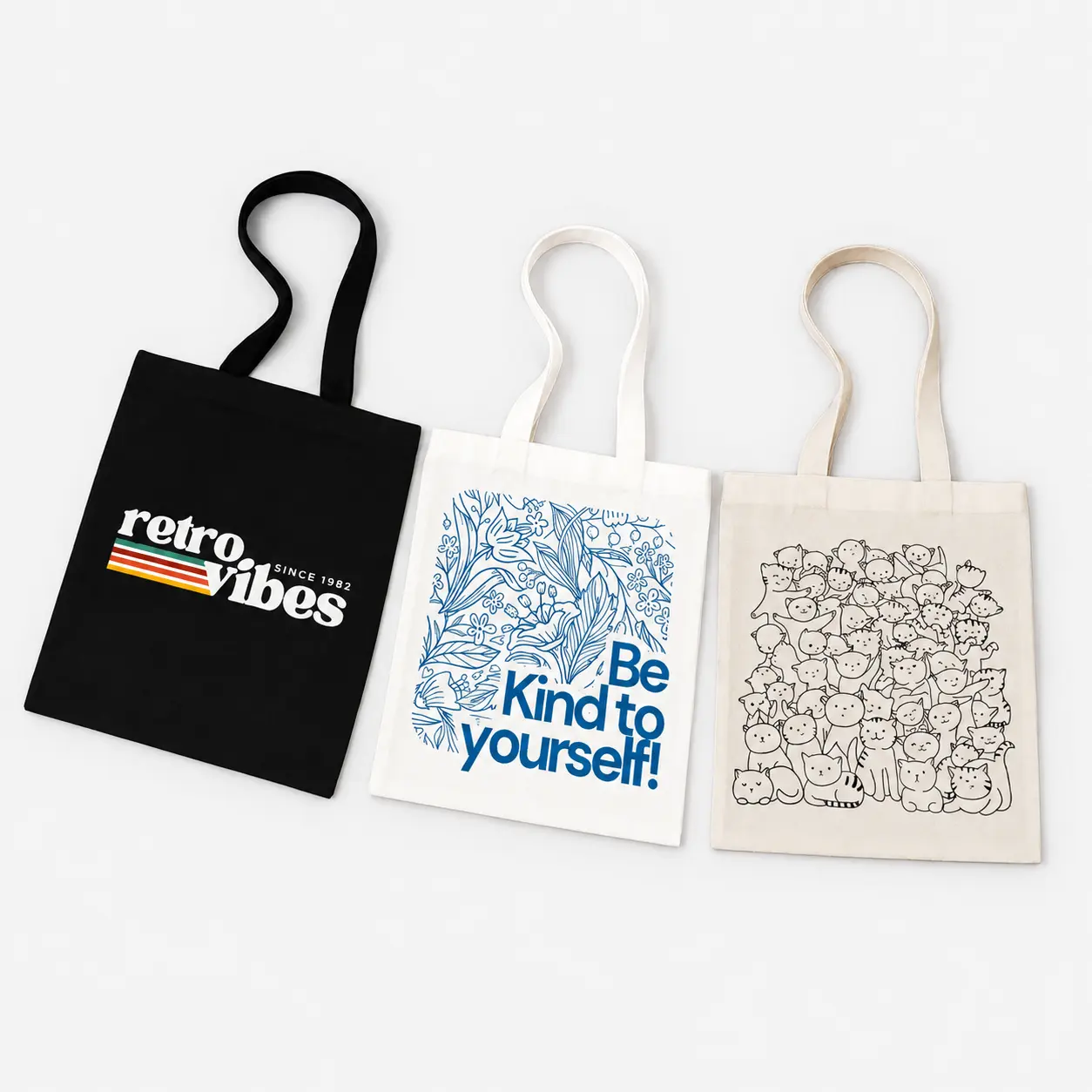
Some print stays exactly where you put it, while other pieces end up travelling much further than you might expect. A tote bag might travel down the high street and onto a train, a pen could move between desks for months, while a travel mug or water bottle might make the same journey to work every morning. Every trip gives the branding another chance to appear somewhere new.
That gives portable print an interesting advantage. Instead of your branding being tied to one location, it can move with the product, appearing in places where the original interaction has long since finished. It might be seen by the person using it, the people around them or somebody who eventually borrows it, carries it or takes it somewhere completely different.
Of course, putting a logo on something doesn't automatically make it effective branding. What matters is whether the product has a reason to move, how naturally the branding fits and what happens once it gets out into the world.
Most branded print starts with a particular audience and setting in mind. A poster might be intended for customers entering a shop, while exhibition graphics speak to people visiting a stand. Once the audience leaves that environment, the print usually stays behind.
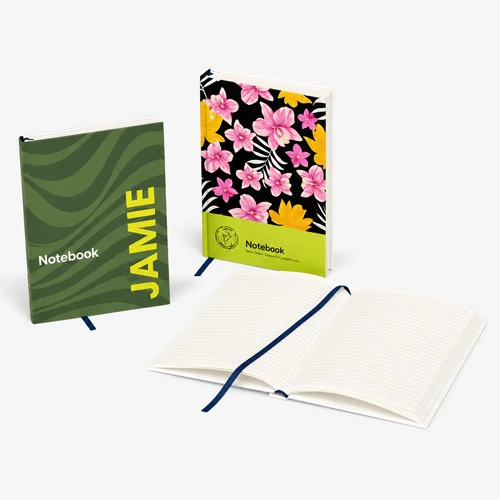
Portable products change that relationship. They can carry a visual identity beyond the shopfront, workplace, event or campaign they started in. A notebook might move between meetings, a sticker could end up on a laptop or parcel, and a mug could spend its days in a shared kitchen far removed from the place it came from.
That movement can extend the life of a brand interaction without requiring the product to behave like an advert. Someone using something branded isn't necessarily thinking about the identity printed across it every time they pick it up, but the brand is still present.
Repeated appearances matter because recognition is often built through familiarity rather than one big moment of attention. PPAI Research found in 2025 that 61 per cent of consumers remembered the brand behind the most recent promotional product they'd received. A clear and visible logo or brand name was cited by 57 per cent as helping them remember it, while 44 per cent pointed to seeing or using the product frequently.
The opportunity, then, isn't simply getting a logo into more places. It's giving people more natural opportunities to see and become familiar with the brand.
Not every product creates those opportunities in the same way. One useful way to look at portable print is through three things: how visible it is while being used, how frequently it might appear and how long it's likely to remain in circulation.
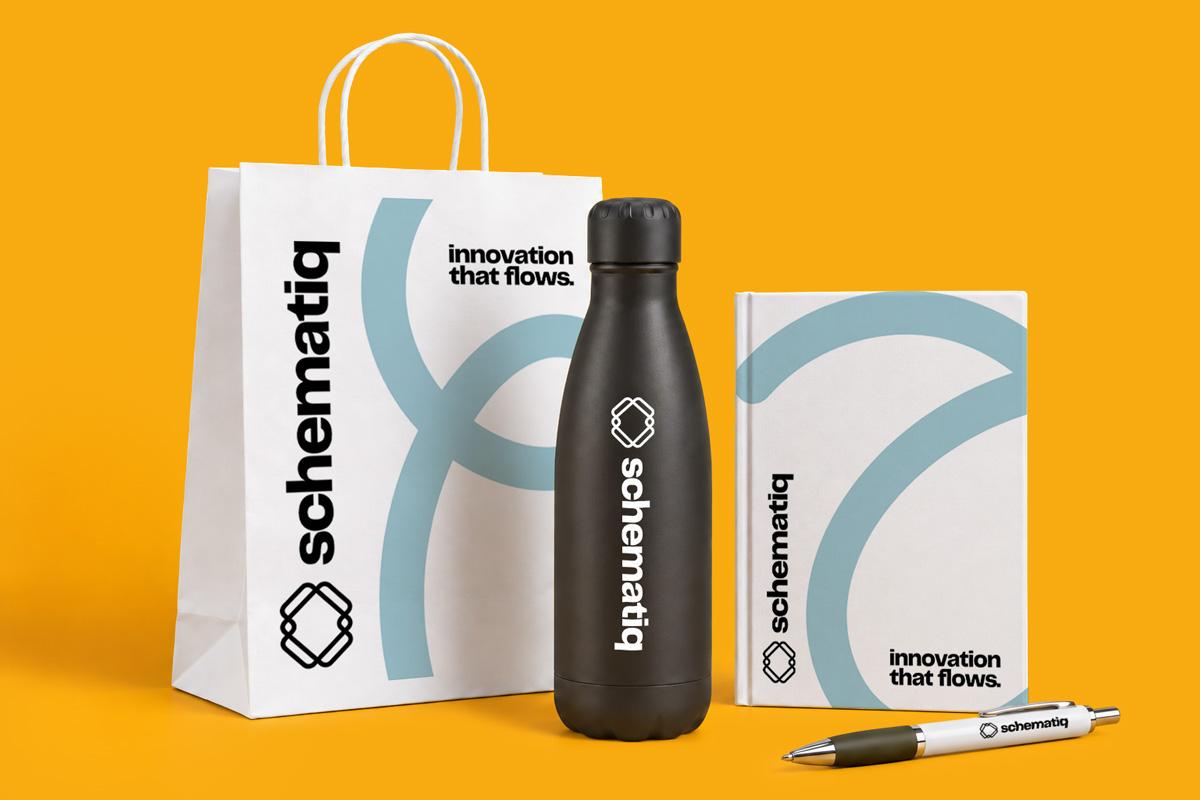
Take a printed paper bag. Its lifespan might be relatively short, but while it's being carried it offers a large, visible surface moving through public spaces. A branded pen works differently. There's far less room for the identity, but the product could sit on a desk and be used several times a day.
A personalised water bottle sits somewhere else again. It offers more space for artwork and, if it becomes part of somebody's routine, could make repeated journeys between home, work, meetings or days out.
There isn't one combination that's automatically better. High visibility over a short period can serve a completely different purpose from a smaller presence repeated over several months. Looking at all three factors helps you think beyond what the product is and focus instead on the kind of presence it could create.
Once branding starts moving, it loses the controlled surroundings it began with. Something that starts life surrounded by matching graphics, literature and brand colours can look very different once it reaches an office, home or public space, so the identity needs to make sense without all of those supporting visual cues around it.
That doesn't mean filling every available space. Smaller formats naturally call for restraint, while larger or wraparound print areas create room for patterns, photography, illustration or more expressive artwork. A large flat surface might benefit from bold colour or typography that can be recognised from further away.
The object itself should influence the artwork rather than simply becoming another place to paste the same design. Artwork that works beautifully across a large surface can lose its impact when reduced, while a compact brand mark created for a smaller format can look lost when simply enlarged.
The aim isn't to make everything identical. It's to make each piece recognisably yours while still allowing the format to do what it does best.
The strongest opportunity usually comes when the product already has a useful job to do. If somebody wants to carry, keep or use it anyway, the branding gets to come along naturally rather than becoming the only reason the item exists.
PPAI's research backs up the importance of that usefulness. Around two thirds of respondents said usefulness was the main reason they'd keep a promotional product, while almost 90 per cent said design played at least some role in the decision. Interestingly, 44 per cent preferred subtle branding to large, bold logos.
That balance matters. The item needs enough branding to be recognisable, but it also needs to work as something somebody is happy to have around.
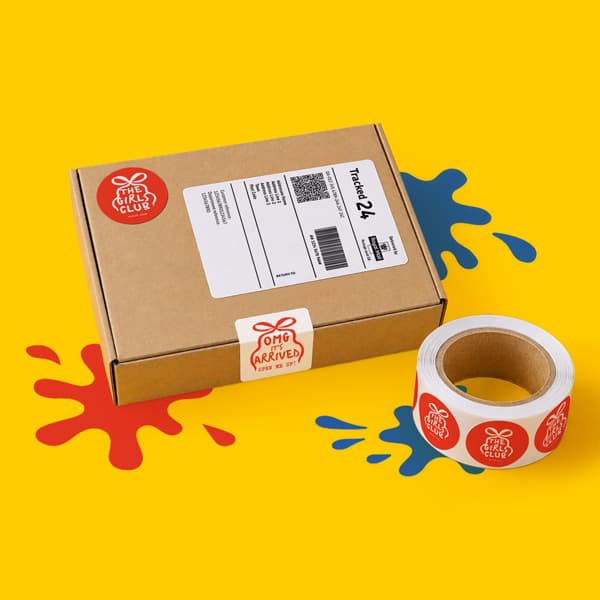
It's worth thinking about combinations in the same way. A notebook and writing instrument naturally belong together. A postcard included with an order might end up on a noticeboard, while a sticker gives the recipient some freedom over where it goes next. Each has a reason to exist beyond displaying the brand.
Rather than asking what else you can put a logo on, it can be more useful to ask where the product could genuinely fit into somebody's day.
The interesting thing about portable print isn't simply that it leaves the place where it started. It's that it can carry your identity into settings your shopfront, event stand or campaign might never reach on its own.
The strongest ideas work with that journey. Give people something with a genuine reason to be carried, kept or used, then adapt the branding to suit the format and the places it might end up.
You won't know every stop it makes along the way, but that's part of the opportunity. Once print starts moving, your brand gets more chances to be seen, recognised and remembered beyond the place where the journey began.
Posted on November 26, 2026 by Ben Riches
Related topics: