Prices
Your vehicle can do more than transport people, tools or deliveries. With clear branding in the right position, it can introduce your business while you travel between jobs, visit customers or park in visible locations.
Magnetic vehicle signs provide a removable alternative to permanent graphics. They can display your logo, services and contact details without committing the vehicle to one design indefinitely.
This can be useful for tradespeople, mobile businesses and organisations using leased or personal vehicles. The signs can be removed when they are not needed, replaced for a temporary campaign or updated when business information changes.
However, not every vehicle surface is suitable, and a sign still needs to be planned carefully if people are expected to understand it quickly.
This guide explains how magnetic vehicle signs work, what to include in the design and how to apply, clean and store them correctly.
A magnetic vehicle sign is a printed graphic produced on flexible magnetic material that attaches to a suitable metal vehicle panel.
Unlike permanent vinyl lettering or a full vehicle wrap, it does not use adhesive. The sign can be placed onto the vehicle when required and removed again without changing the entire appearance of the car or van.
WTTB magnetic signs are printed on vehicle grade magnetic material. They are available in A4, A3 and A2 formats, along with custom dimensions. Customers can choose portrait or landscape orientation, square corners or a custom shape, with matt lamination also available.
Removable vehicle signs can suit businesses that travel regularly or spend time parked outside customer premises.
This could include builders, decorators, electricians, plumbers, gardeners and cleaning companies. Mobile caterers, dog groomers, tutors, estate agents, photographers and delivery businesses may also use them to identify the service connected with the vehicle.
They can be particularly useful where the vehicle serves both business and personal purposes. The branding can be displayed during working hours and removed when the vehicle is being used privately.
Temporary signs may also support short campaigns, recruitment activity, seasonal services and local events. When the information is no longer relevant, the sign can be replaced without removing permanent graphics.
Magnetic signage and permanent graphics can both make a vehicle more recognisable, but they serve different needs.
Permanent vinyl lettering or a vehicle wrap may be more suitable for a business that wants consistent, long term branding across most of the vehicle. It can provide greater coverage and follow more complex panel shapes.
Magnetic signs provide less coverage, but their removability gives the business more flexibility. They may suit leased vehicles, occasional business use or companies that expect their branding and services to change.
The right option depends on how long the design will be used, how much of the vehicle needs to be covered and whether the branding must be removable.
No. This should be checked before the sign is ordered.
Magnetic signs need a suitable ferromagnetic metal surface. Some vehicle panels are made from aluminium, plastic, fibreglass or composite materials that will not hold a magnet securely.
A sign may also struggle to sit correctly across:
Test the intended position with an ordinary magnet before measuring the panel. Check several points rather than assuming the whole door or side panel uses the same material.
The sign should sit completely flat against the surface. Air gaps or edges that lift away from the panel can reduce its grip.
Choose a clean, flat panel where the complete sign will remain visible.
Vehicle doors and large side panels are common positions because they can provide enough space for a logo, service description and contact information.
Avoid placing the sign over handles, trim, hinges, panel gaps or moving parts. It should not obstruct windows, mirrors, lights, number plates or any feature needed for safe driving.
The panel also needs to accommodate the full sign without forcing it around a pronounced curve.
Before choosing a size, create a paper mock up and hold it against the vehicle. This makes it easier to judge whether the dimensions feel balanced and whether the information can be read from a realistic distance.
Check both sides of the vehicle independently. Panels that look similar may contain different shapes, handles or fuel covers.
A vehicle sign is usually seen for only a few seconds. The design should communicate the most important information immediately.
This will normally include the business name or logo, a short description of the service and one clear method of contact.
For example:
Northside Plumbing
Boiler repairs and bathroom installations
01632 960 123
A website or social media name can be included where it is short enough to read easily. A service area may also be useful for businesses working within a particular town or region.
Avoid turning the sign into a complete list of everything the business offers. Too much information makes the important details harder to find.
The sign does not need to explain the whole business. Its job is to make the vehicle identifiable and give an interested person a simple next step.
Readability matters more than decoration.
Use strong contrast between the background and the wording. Dark text on a pale background or light text on a dark background will usually be easier to recognise than two similar colours.
Choose a clear typeface and keep important wording large. Decorative fonts can be used sparingly, but they should not make the business name, service or telephone number difficult to read.
We recommend bold, simple fonts and contrasting colours so that branding and contact details remain visible from a distance.
Give the design enough empty space. A logo, several photographs, a long service list and multiple contact methods can compete with one another when squeezed into a limited area.
A useful test is to view the design at a small size on screen. When the main message disappears or becomes difficult to understand, the physical sign is also likely to contain too much information.
A QR code may be useful while the vehicle is parked and people can approach it safely.
It is less useful when the vehicle is moving. The code may be too small, visible for too little time or impossible to scan safely.
When including one, make it large enough to scan and leave clear space around it. Test the exported artwork using several phones before placing the order.
The QR code should direct people to a useful destination, such as a quotation form, booking page or campaign landing page. It should not replace a readable website or contact number when those details are important.
The size should reflect both the available panel and the amount of information in the design.
WTTB magnetic vehicle signs are available in A4, A3 and A2 sizes, with portrait and landscape orientations. Custom dimensions are also available when a standard format does not suit the chosen panel.
A4 may work for a simple logo and short message, while A3 or A2 provides more room for services and contact details. A larger sign is not automatically more effective if the composition becomes crowded or does not fit the vehicle properly.
Measure the usable flat area rather than the complete panel. Leave space around handles, trim, curves and panel edges.
Measure twice before building the artwork. Custom dimensions should be based on the physical vehicle rather than an online photograph or manufacturer diagram alone.
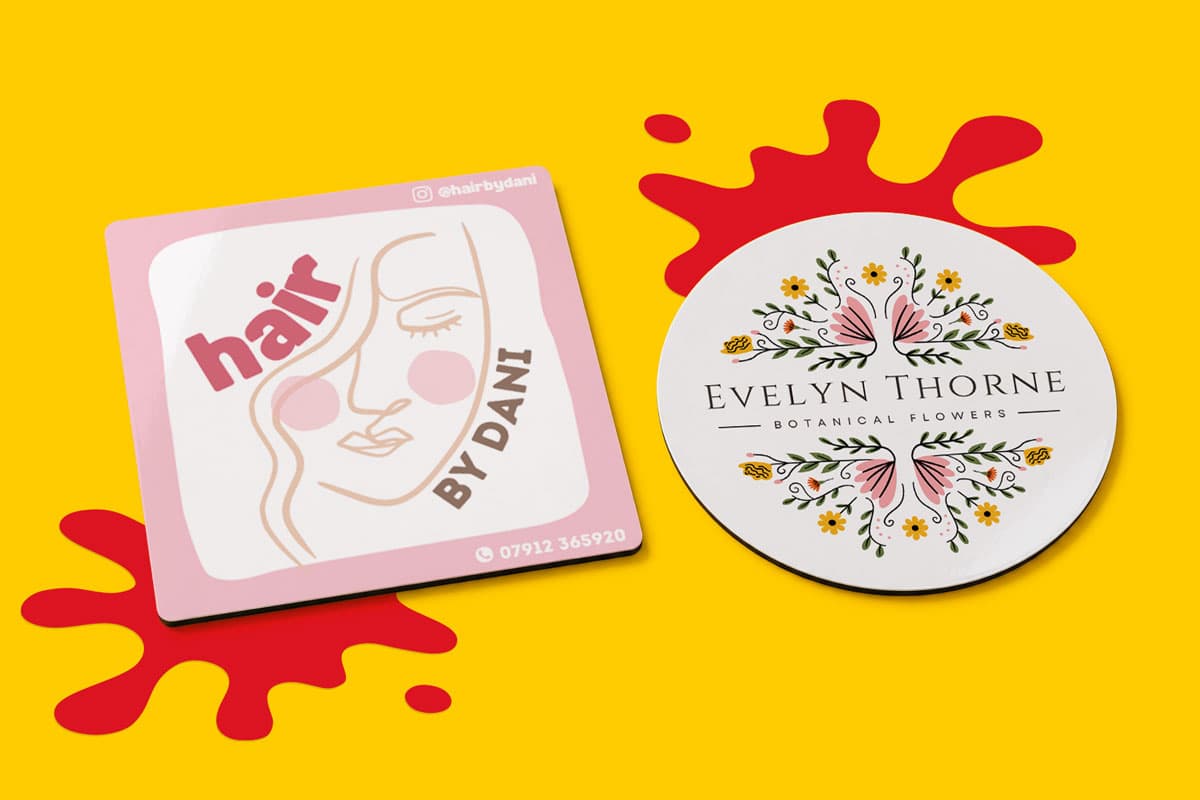
Square or rectangular signs provide a straightforward format for logos, text and contact information. They also make it easier to arrange content using a clean grid.
A custom shape can follow the outline of a logo, symbol or another recognisable part of the brand. This may help the sign feel less like a temporary rectangle placed on the vehicle.
The shape should still provide enough contact with the vehicle panel. Narrow extensions, sharp points and small isolated details may be less practical than a strong, simple outline.
Custom shaped artwork requires a correctly prepared cut path. Our cut path guide explains that the path should be a 0.1pt vector stroke, set as a spot colour named CUT and created in the exact required shape.
Build the artwork at the exact size and orientation selected when ordering.
Use high resolution images and prepare colours in CMYK. Important text, logos and contact details should remain comfortably inside the safe area so they are not affected by trimming.
The finished file should be supplied as a print ready PDF. Our Print Ready PDF Guide covers image resolution, fonts, CMYK colour, dimensions and export settings.
Further technical help is available through Support Guides, including advice on orientation, bleed and artwork for custom shaped products.
Before uploading the PDF, check:
Open the exported PDF and inspect that file rather than relying only on the original design document.
The vehicle panel and the back of the sign should both be clean and completely dry before application.
Dirt, grit and moisture trapped between the surfaces may prevent the magnet from lying flat. They may also contribute to marks or minor scratches over time.
Begin by holding one edge of the sign against the panel. Allow the rest of the magnet to meet the surface gradually, checking that it sits smoothly without bubbles, folds or raised edges.
Do not drag the sign across the paintwork to reposition it. Lift it away and place it down again.
Once attached, run your hand across the complete surface and inspect every edge. The sign should sit flat with no visible gaps.
Avoid applying it immediately after the vehicle has been washed when moisture may remain around trim or panel joins.
Inspect the complete sign before every journey, especially after removing and applying it again.
Make sure:
Remove the sign when its grip appears weaker or when any edge begins lifting.
Magnetic signs should not be treated as permanent fixtures. Their condition, position and grip need to be checked regularly.
Remove the sign periodically and clean both its magnetic surface and the vehicle panel.
Use suitable vehicle cleaning products and follow the manufacturer’s care guidance for the paintwork. Avoid harsh chemicals or abrasive materials that could damage the sign or vehicle finish.
Allow both surfaces to dry completely before reapplying the sign.
Leaving dirt trapped underneath for extended periods can affect the paintwork. Regular removal also gives you an opportunity to inspect for residue, discolouration or damage.
Remove the signs before putting the vehicle through an automatic car wash. They should also be taken off when conditions or vehicle maintenance could affect their grip.
Store the signs flat in a clean, dry location.
Do not fold or crease them. A permanent bend may prevent the material from sitting evenly against the vehicle when it is used again.
When flat storage is not practical, follow the product care guidance before rolling the material. Avoid tight rolls and do not place heavy objects on top.
Clean the magnetic surface before storage so dirt is not pressed into it.
Keep separate signs from rubbing against printed surfaces or sharp items that could scratch the artwork.
Consistent signs can help a group of cars or vans appear connected even when the vehicles are different makes, models or colours.
Keep the logo, type, colours and contact details consistent across the fleet. The dimensions may need to change according to the usable panel on each vehicle, but the visual structure should remain recognisable.
A business may also create variations for different services, locations or teams. The main brand should remain prominent while the secondary wording changes.
Before placing a larger order, test the design on the vehicle types being used. One size may not fit every panel.
Keep a record of which signs belong to each vehicle and inspect them as part of regular fleet maintenance.
Magnetic signs can make a business more visible, but visibility alone does not show whether they are generating useful enquiries.
Ask new customers how they found the business and include vehicle advertising as an option within enquiry forms.
You could also use:
Use a method that is easy for people to remember and suitable for the viewing conditions.
Review enquiries over several weeks or months rather than judging the sign from one journey. Consider where the vehicle travels, how often it is parked publicly and whether the design remains readable.
One of the most common mistakes is trying to include too much information. Long service lists and several contact methods may appear comprehensive, but they can make the sign impossible to read quickly.
Other problems include choosing colours with too little contrast, using detailed images at a small size and ordering before checking whether the panel is magnetic.
Poor placement can also weaken an otherwise good design. A sign crossing a panel gap or wrapping around a curve may not sit flat.
Neglecting maintenance creates another risk. The surface beneath the sign needs to be cleaned regularly, while the sign itself must be inspected for wear, raised edges and damage.
WTTB produces magnetic van signs on high strength, vehicle grade magnetic material.
Customers can choose A4, A3, A2 or custom dimensions, with portrait and landscape options available. Signs can be supplied with square corners or cut to a custom shape, while matt lamination can be added to support a longer lasting graphic.
The product page includes artwork templates and Canva templates for selected standard sizes. Customers creating a custom shape should follow the cut path requirements before submitting their print ready PDF.
Magnetic signs are most effective when the design and vehicle panel have been considered together. Check the surface, measure the usable area and keep the message simple before choosing the final specification.
No. They require a suitable magnetic metal panel. They may not attach securely to aluminium, plastic, fibreglass or repaired areas containing filler. Test the intended panel with a magnet before ordering.
The vehicle surface and magnet need to be kept clean.
Dirt and grit trapped underneath may contribute to marks or scratches. Remove the sign regularly, clean both surfaces and inspect the paintwork before reapplication.
They are designed as removable signage and should be removed periodically for cleaning and inspection.
Leaving them untouched for extended periods may allow dirt, moisture or residue to collect underneath.
Remove them before using an automatic car wash.
The movement, water pressure and brushes could dislodge or damage the sign.
Yes, provided each vehicle has a suitable flat magnetic panel large enough for the sign.
Check the condition and fit every time it is moved. A sign that fits one vehicle door may not sit correctly on another.
Prioritise the business name, main service and one clear contact method.
A short website, service area or call to action can also be included when there is enough room. Avoid long service lists and small wording.
Supply a print ready PDF at the correct size and orientation. Include the required bleed, use high resolution images and prepare colours in CMYK. Custom shaped signs also require a correctly created cut path.
A strong magnetic vehicle sign turns an ordinary journey into another opportunity for your business to be recognised.
Keep the design clear, choose a size that suits the panel and make sure the vehicle surface is compatible before ordering. Regular cleaning, careful storage and routine inspections will help the sign continue sitting securely and presenting the business professionally.
When you are ready to put your branding on the road, explore magnetic van signs and create removable vehicle advertising that works wherever your business goes.
Posted on March 12, 2026 by Miller Lane-Williams
Related topics:
£16.40

£31.44
£17.85