Prices
A business card might be small, but it can still do a lot of work for your brand. It gives people your key details, supports your first impression and creates something physical for customers, clients or contacts to keep hold of.
In a digital world, that still matters. Adobe Express research found that 62% of consumers are more likely to use a business or service if they’re given a physical business card. That doesn’t mean every card will automatically work. It means the right card, with the right design, details, material and finish, still has a place in modern marketing.
Whether you’re heading to an event, launching a small business, adding branded inserts to orders or refreshing your customer facing print, this guide will help you choose the right business cards for the job.
Yes, business cards are still worth using when they’re designed with a clear purpose.
They’re not just for formal networking anymore. Businesses use them as appointment reminders, loyalty cards, packaging inserts, thank you cards, referral cards, product care cards and quick contact cards at events, markets and trade counters. That flexibility is one of the reasons they remain useful.
A well designed card can help someone remember your name, visit your website, scan a QR code, follow your social channels or contact you after a conversation. It gives your brand a physical presence, especially when the customer experience has started face to face.
The key is to make sure your business card feels relevant. A card for a hair salon, a wedding photographer, a builder and a luxury consultant probably shouldn’t all look or feel the same. The best choice depends on where the card will be used, who it’s for and what action you want someone to take next.
A good business card should be clear before it’s clever. The design can be creative, but the information still needs to be easy to read and understand.
Most business cards should include your name, business name, logo, phone number, email address and website. Depending on your business, you might also include a job title, social handle, address, QR code, short service line or booking link.
You don’t need to include everything. In fact, trying to fit too much onto one card can make the design feel crowded. If your website already explains your services in detail, your card may only need to guide people there. If your business is local and relies on phone enquiries, your phone number needs to be prominent. If you sell through Instagram, your handle or QR code may be more useful than a full postal address.
It’s also worth thinking about the back of the card. A double sided business card gives you more space without making the front feel busy. You could use the front for your name, logo and main contact details, then use the back for a QR code, appointment space, loyalty stamps, a short message or a simple brand statement.
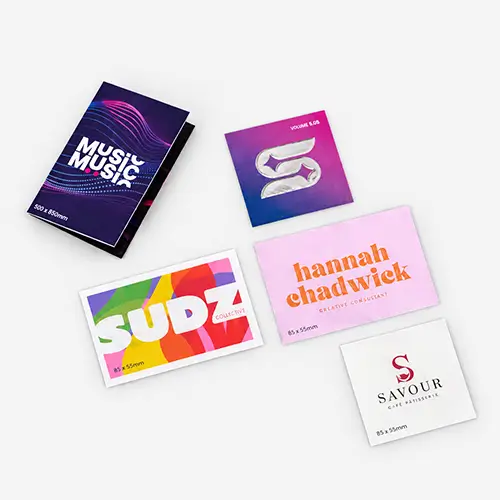
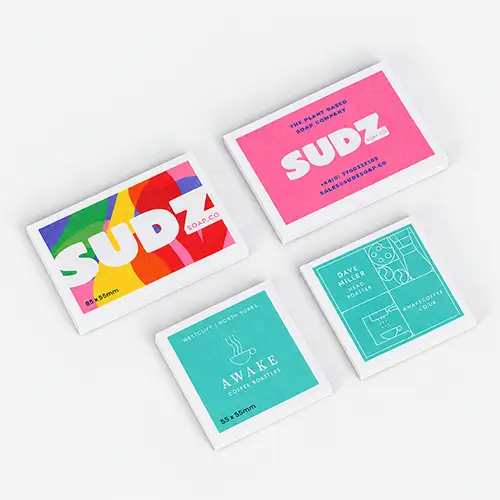
The standard UK business card size is 85 x 55mm. It’s familiar, easy to hand out and practical to store in a purse, wallet, card holder or desk drawer.
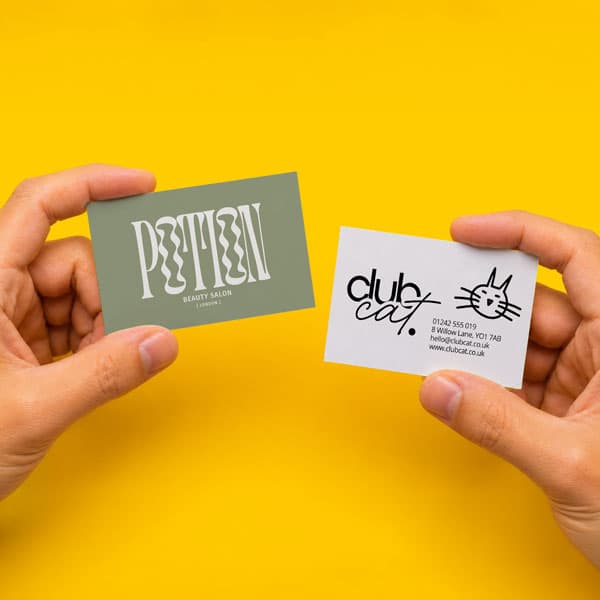
That makes standard business cards a good choice for most businesses. They work well for networking, client meetings, order inserts, local marketing and general contact sharing.
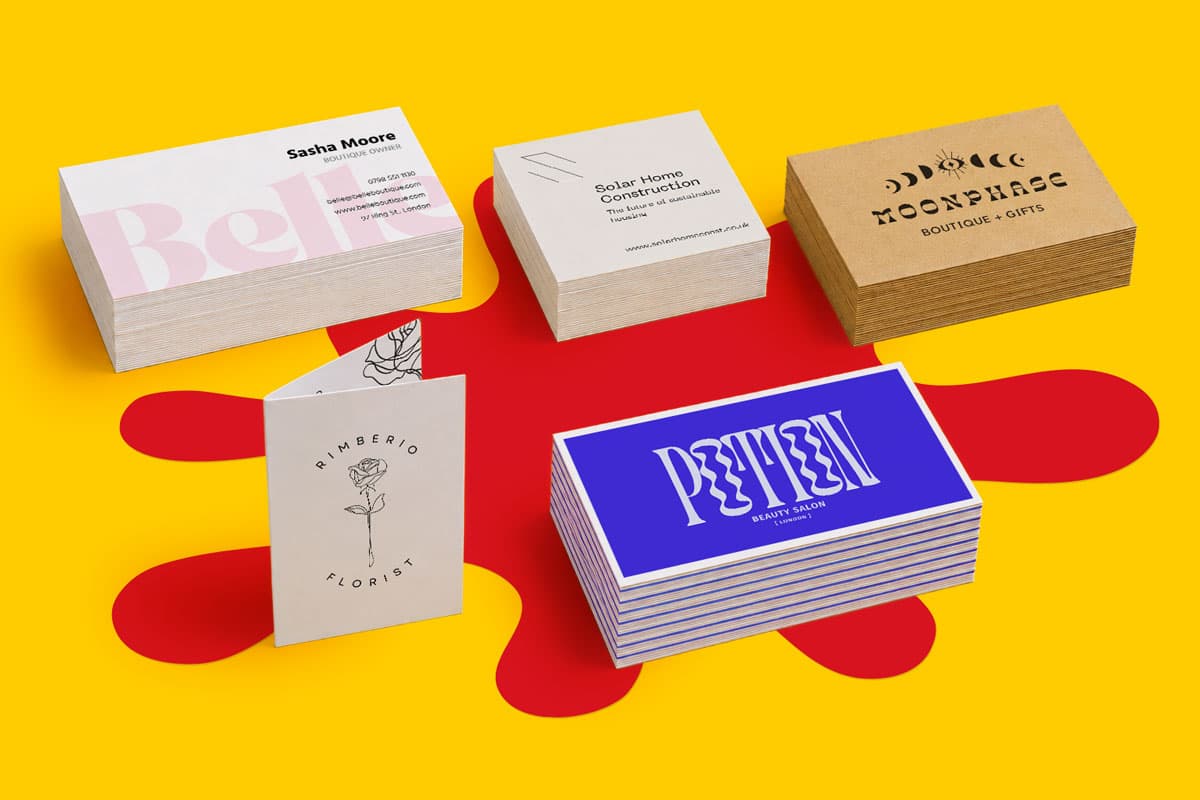
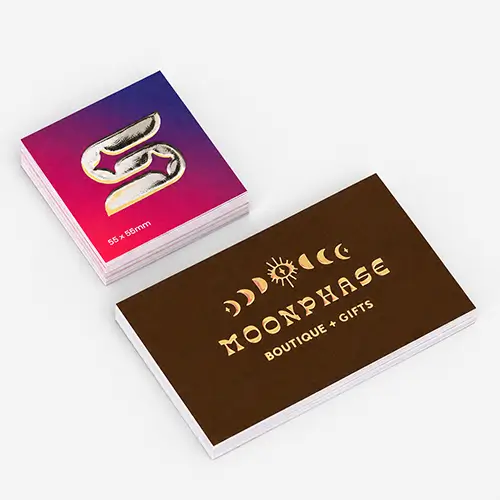
Square business cards are a more compact option. They can feel modern and creative, especially for designers, makers, photographers, cafés, salons and small independent brands. The shape gives the card a different feel while still keeping the format simple.
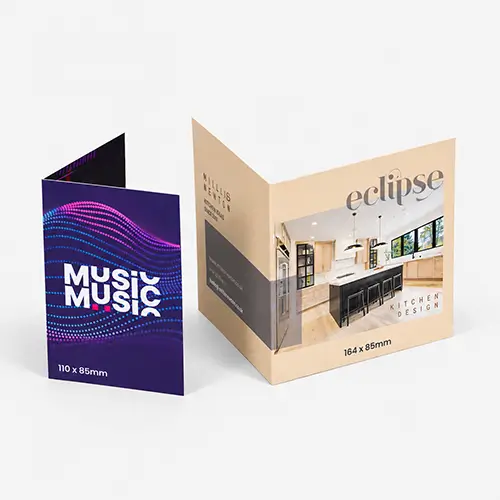
Folded cards give you more room to work with. Folded business cards can be useful when you need space for a price list, appointment information, a mini service menu, opening hours or extra brand messaging. They’re still small enough to hand out, but they give you a little more room to explain what you do.
There are also slightly different size routes depending on the final product and template you choose. If you’re designing from scratch, always check the product size before you start so your artwork matches the print specification.
Strong business card design is about clarity, balance and purpose.
Start with the main action you want someone to take. Do you want them to call you, visit your website, book an appointment, scan a QR code, follow your social page or keep your details for later? Once that’s clear, the layout becomes easier to plan.
Keep the most important information easy to find. Your logo, name, business name and main contact method should not compete with too many extra details. Make sure the text is large enough to read comfortably and use strong contrast between the background and the copy.
White space is important too. A business card doesn’t need every corner filled. Space around the logo, contact details and edges can make the design feel more polished and easier to read.
Think carefully about QR codes. They can be really useful, especially if you want to link to a booking page, portfolio, menu, shop, social profile or contact form. But they need to be large enough to scan and placed somewhere with enough clear space around them.
If the card will be used often, handled regularly or carried around, the material and finish become part of the design too. A simple layout on a thicker card can feel confident. A minimal design with foil can feel premium. A natural design on kraft or recycled stock can support a more organic brand feel.
If you don’t already have artwork, Canva can give you a useful starting point.
WTTB’s Canva templates are pre sized, which means you can choose a layout that matches the print product you want to order. There are templates for standard 85 x 55mm business cards, 90 x 55mm business cards, square business cards and folded business cards, so you can start with the right format rather than guessing the dimensions.
Once you’ve opened a template, you can add your logo, colours, fonts, contact details, QR code and any extra information you need. It’s a simple route if you don’t have access to a designer, or if you want to create a card quickly for a new business, event, promotion or product launch.
The important part is exporting the artwork correctly once your design is finished. Use the Canva Print Hub for guidance on setting up Canva artwork for professional print, including bleed, crop marks and export settings. That helps reduce the risk of artwork issues once your file is uploaded.
The best business card depends on how you’ll use it, how often it will be handled and what kind of impression you want to create.
Budget business cards are a practical choice when you need simple, affordable cards for everyday use. They’re useful for start ups, new team members, events, local promotions and short term campaigns where you need professional print without overcomplicating the finish.
Laminated business cards are a good option when you want a smoother, more durable feel. Lamination can help protect the card surface and give the finish a more polished look. They work well for consultants, estate agents, sales teams, hospitality businesses and anyone who needs cards that feel reliable and professional.
Recycled business cards are useful when the material choice is part of the brand message. They can suit charities, eco conscious brands, makers, wellness businesses and local independents that want a more considered option.
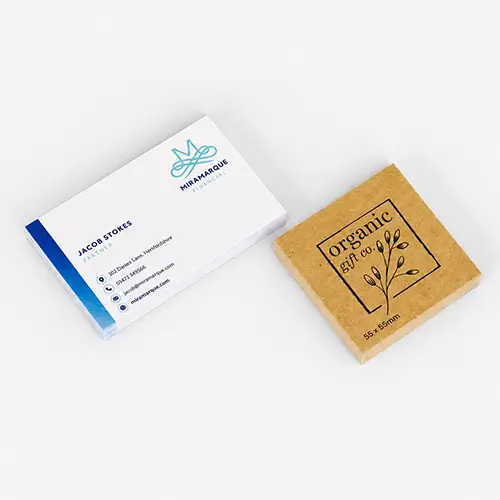
Kraft business cards have a warmer, more natural look. They can work well for cafés, florists, bakers, handmade brands, craft sellers and businesses with earthy or rustic styling. Because kraft stock has its own colour, it’s best suited to designs that work with the material rather than against it.
Premium business cards and luxe business cards are better suited to brands that want a more elevated feel. They can work well for high value services, client meetings, luxury retail, consultants, creative studios and anyone who wants their card to feel more substantial.
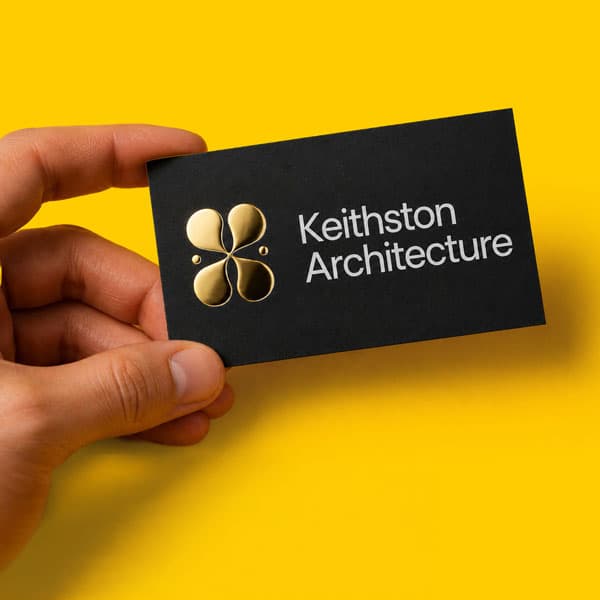
Foil business cards and Spot UV business cards add detail to selected parts of the design. Foil can help logos, initials, borders or small design accents catch the light. Spot UV adds a glossy raised effect to chosen areas, which can make a simple design feel more tactile and considered.
Appointment cards and loyalty cards are business cards with a practical job to do. Appointment cards are useful for salons, clinics, dentists, tutors and service based businesses. Loyalty cards can help cafés, restaurants, barbers, beauty businesses and retailers encourage repeat visits.
The paper stock and finish affect how your business card looks, feels and performs.
A lighter, simpler stock may be right for everyday cards that are handed out often. A thicker stock can make the card feel more substantial, which is useful when the first impression matters. A textured, recycled or kraft stock can support a more natural look, while a smooth laminated finish can feel cleaner and more polished.
Finishes should support the design rather than distract from it. Matt lamination can create a softer, more understated feel. Gloss lamination can make colours look brighter and more reflective. Soft touch lamination can give the card a smoother, more premium texture.
Foil and Spot UV are best used with restraint. They work well when applied to specific areas such as a logo, icon, name, pattern or design detail. If every part of the card is trying to stand out, nothing really does.
If you’re unsure which material or finish fits your brand, the Print Materials Hub can help you compare paper types, finishes and material options before you choose.
Different businesses need business cards for different reasons, so it helps to choose the format around the use case.
For salons, barbers, clinics and beauty businesses, business cards can double as appointment reminders. A clean front with your logo and contact details, paired with appointment space on the back, gives the card a practical purpose.
For cafés, restaurants and takeaways, loyalty cards can encourage repeat visits. A simple stamp layout, clear reward message and strong brand colours can make the card easy for customers to use and keep.
For trades and local services, clarity is usually the priority. Your name, service, area, phone number and website should be easy to read quickly. Laminated cards can be a good choice if the cards are likely to be handled often or kept in vans, drawers or toolboxes.
For photographers, designers, artists and makers, the card can be more visual. A square format, premium stock or simple image led layout can help the card feel more creative without making it hard to read.
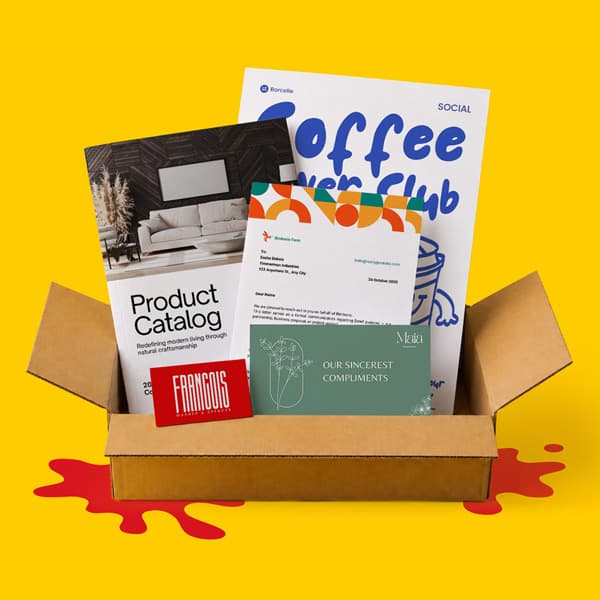
For retailers and marketplace sellers, business cards can work as packaging inserts. They can thank customers, share contact details, encourage reviews, promote social channels or provide a discount for a future order.
For consultants, estate agents and professional services, the card often needs to feel polished and trustworthy. A clean layout, quality stock and subtle finish can be more effective than an overly busy design.
Before sending your business card to print, check that the artwork is set up correctly.
Make sure the size matches the product you’re ordering. Check that any background colours, images or design elements that reach the edge of the card extend into the bleed area. Keep important text and logos away from the trim edge so nothing essential sits too close to the cut line.
Check the spelling of names, job titles, email addresses, phone numbers and website addresses carefully. Business cards are small, but a mistake in the contact details can make the whole batch unusable.
If your card includes a QR code, test it before uploading. Scan it from a phone, check it links to the right place and make sure the landing page works properly.
If you’re using Canva, follow the export guidance in the Canva Print Hub. If you’re supplying artwork from design software, use the relevant Support Guides to check file setup, bleed, colour and PDF requirements. If you’d like an extra check before print, Artwork Technical Checks can help identify issues that may affect production.
A good business card is more than a name and phone number on a small piece of card. It’s a compact piece of brand print that can help people remember you, contact you and take the next step.
The right choice depends on what you need the card to do. You might need a simple everyday card for networking, a loyalty card that encourages repeat visits, an appointment card that keeps customers organised or a premium finish that gives your brand a more polished feel.
Explore WTTB’s business cards to compare the full range and choose the format, material and finish that fits your business.
Posted on July 8, 2026 by Emma Thompson
Related topics:
£25.58
£29.00
£19.93
£37.89
£29.00