Prices
Bring your next chapter to life with a little print sorcery from WTTB. Drawing on decades of book production expertise and experience, this hub brings together practical advice, creative inspiration and helpful resources to give your next print project a storybook finish.
Explore popular book binding options to find the right choice for your next project
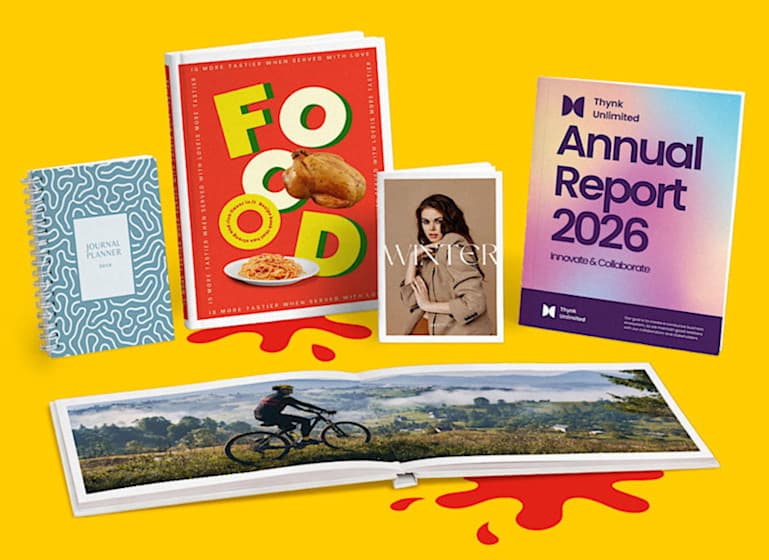
Choose from a broad range of book customisation options, from high-end formats to premium finishes.
Scale production to suit your project, from short runs through to high volume book production.
Stay on schedule with high-speed production and next-day delivery options to meet demanding deadlines.
Choose a trusted book printing partner backed by exceptional ratings for quality, reliability and service.
How do I choose a binding for my book?
Start with your page count and how the book will be used. Saddle stitching suits shorter publications, while perfect binding creates a flat spine for larger books and catalogues. Hardback covers add rigidity and protection, and wiro binding lets pages turn freely and stay open during use. Compare the binding options above, then explore our book and brochure printing range to choose your product.
What should I decide before preparing my book artwork?
Start with your book’s finished size, binding style, page count and paper choice. These affect the dimensions of your artwork, including any spine, and how much space to leave near the binding. Once you’ve chosen your specification, visit our Support Guides for artwork setup instructions for your chosen binding style.
How does paper choice affect the finished book?
Paper affects how your book looks, feels and handles. Its weight and thickness influence the finished book’s bulk and spine width, while its surface affects the appearance of text and images. Uncoated paper is often useful for pages that need to be written on, while coated stocks can suit image led publications. Explore our Print Materials Hub to understand the options, then check the stocks available for your chosen product.
How should I prepare my book files for printing?
Supply your artwork as PDF files, following the requirements for your chosen binding. Inner pages are generally supplied as individual pages in reading order, while cover setup varies by format and may need to include a spine. Our book artwork guides explain the relevant file setup, bleed and safe areas. Check your exported PDFs carefully for page order, missing content and layout issues before uploading.
Are specialist book finishes available?
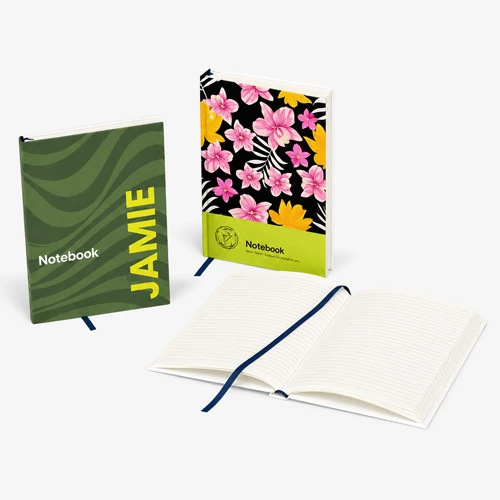
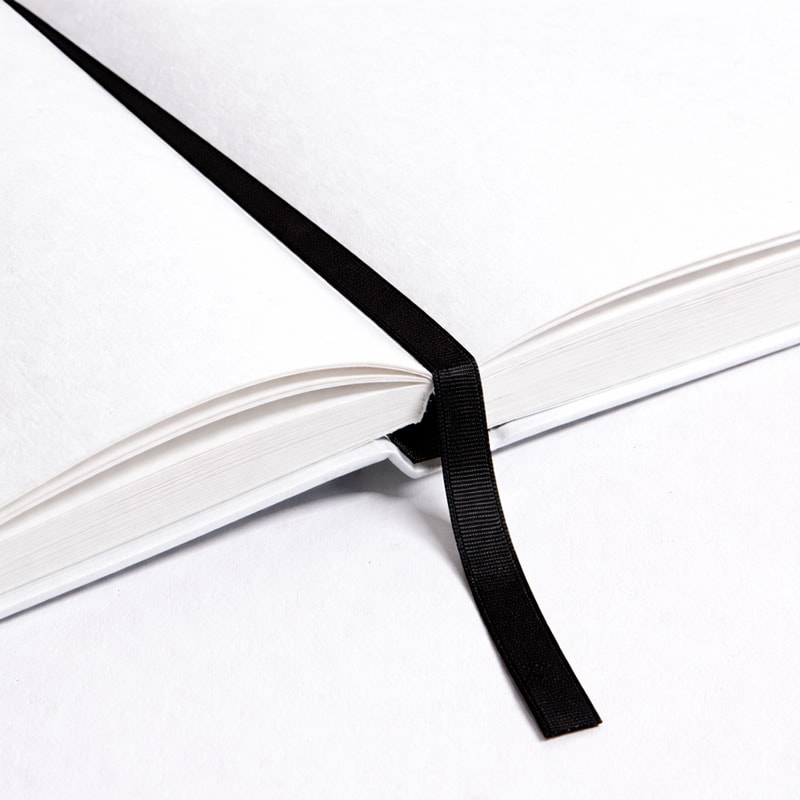
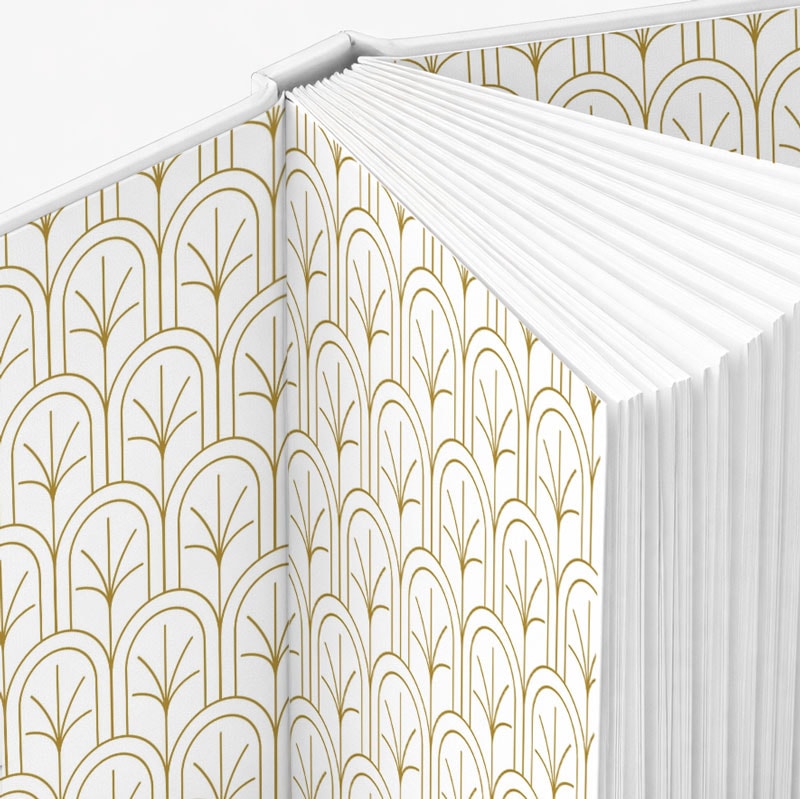
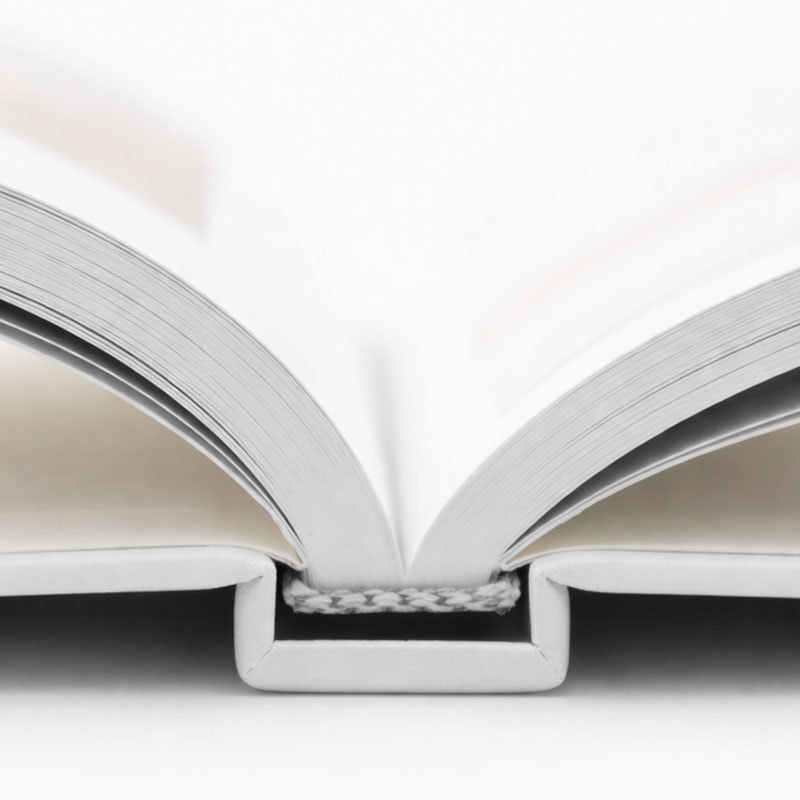
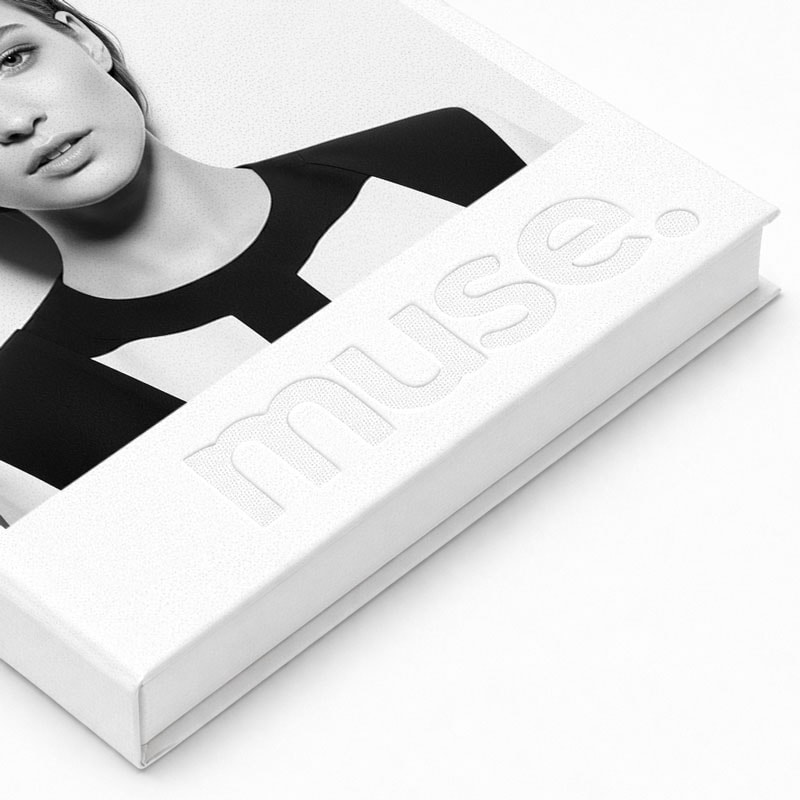
Yes. Our bespoke book printing options include dust jackets, ribbon bookmarks, printed endpapers, head and tail bands, and embossing or debossing. Discuss your requirements with our team before finalising your artwork, as these details can affect cover setup, materials and production time.
Is there a minimum order quantity for book printing?
Most book formats can be ordered from a single copy. Larger quantities benefit from lower unit costs, making them more cost effective for wider distribution.
Not sure which binding style to choose? Check out this short video to see which style suits your project best.
Looking for something more bespoke? Explore specialist finishes for book projects with unique requirements.
Take a closer look at where books are produced, with specialist equipment designed for high quality book production.
Helpful articles exploring book formats, production tips and publishing insights. Read more on our blog.
Answers to common questions covering book printing, from production options to file preparation and more.




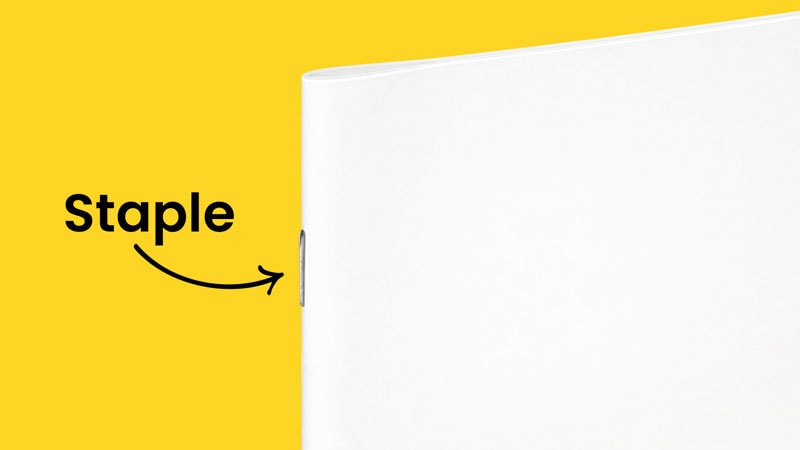
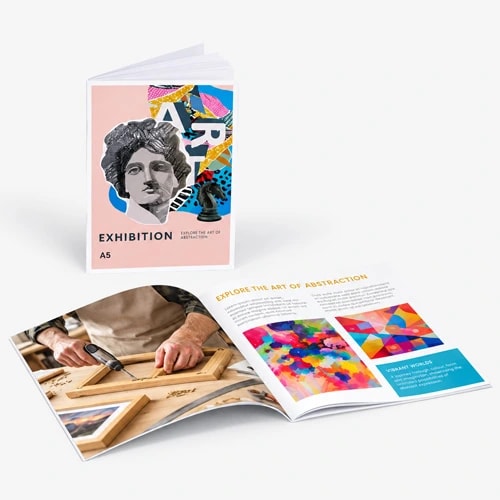
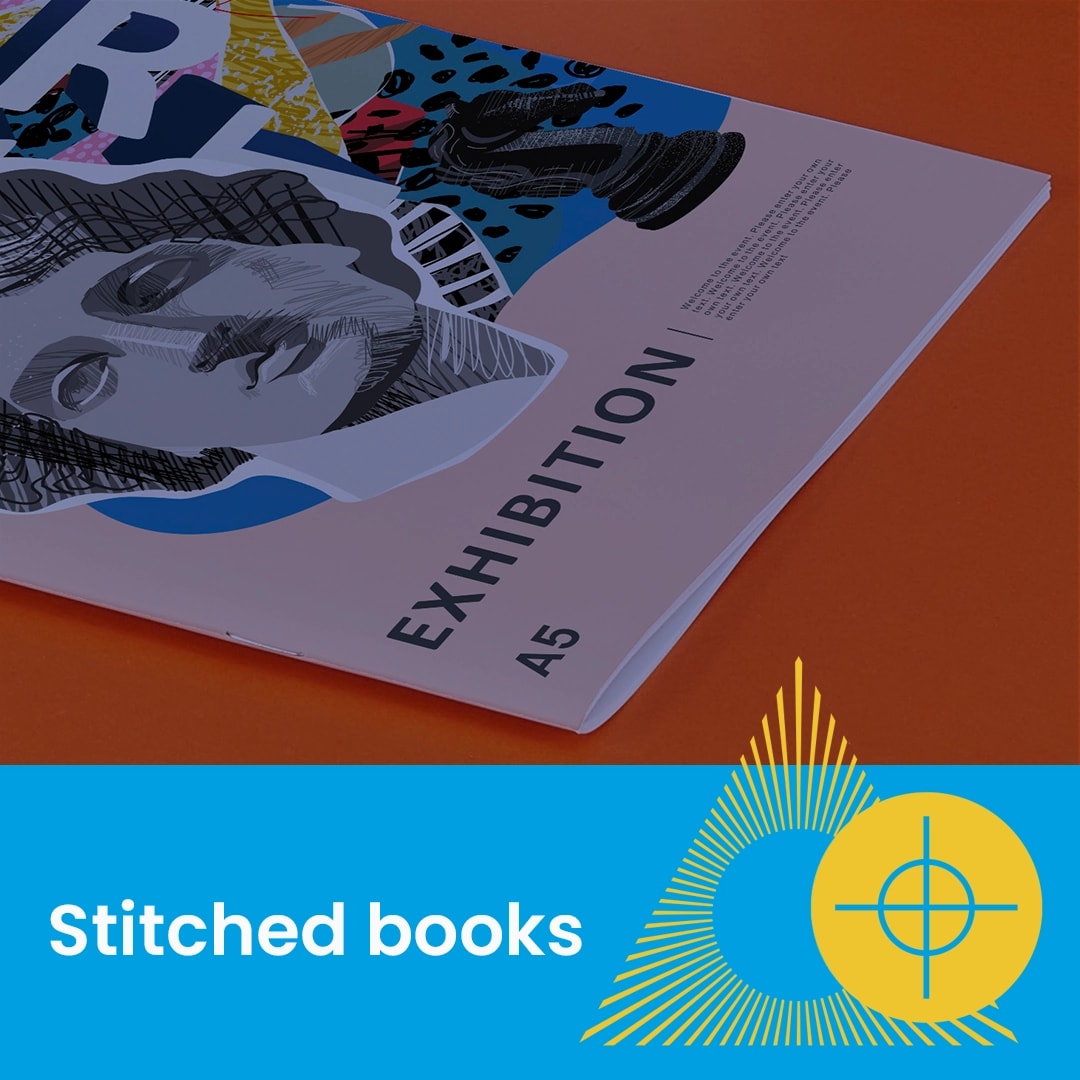
Printed sheets are folded and stacked together, then secured along the crease with metal staples. Commonly used for brochures, magazines and booklets with lower page counts.
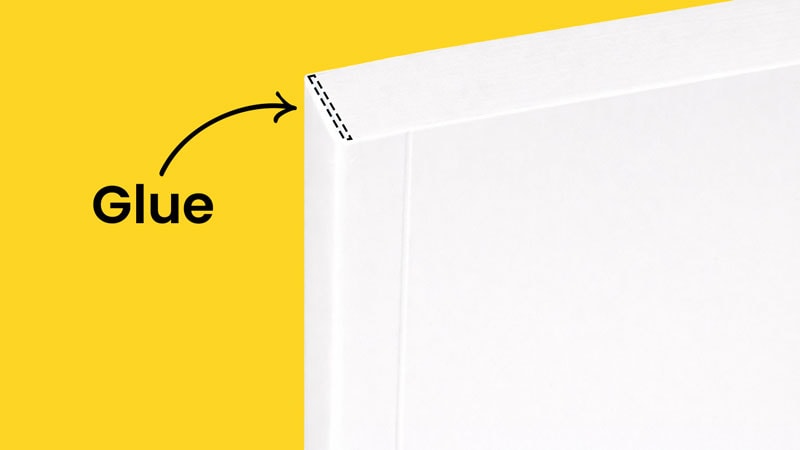
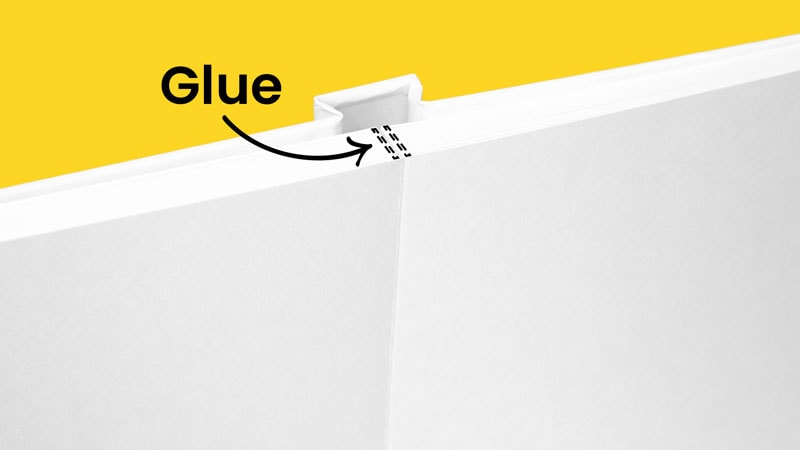
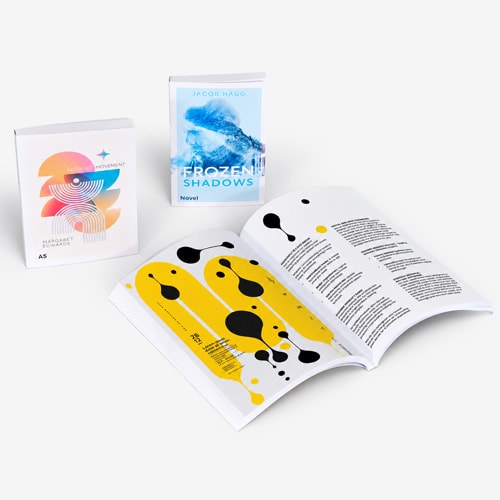
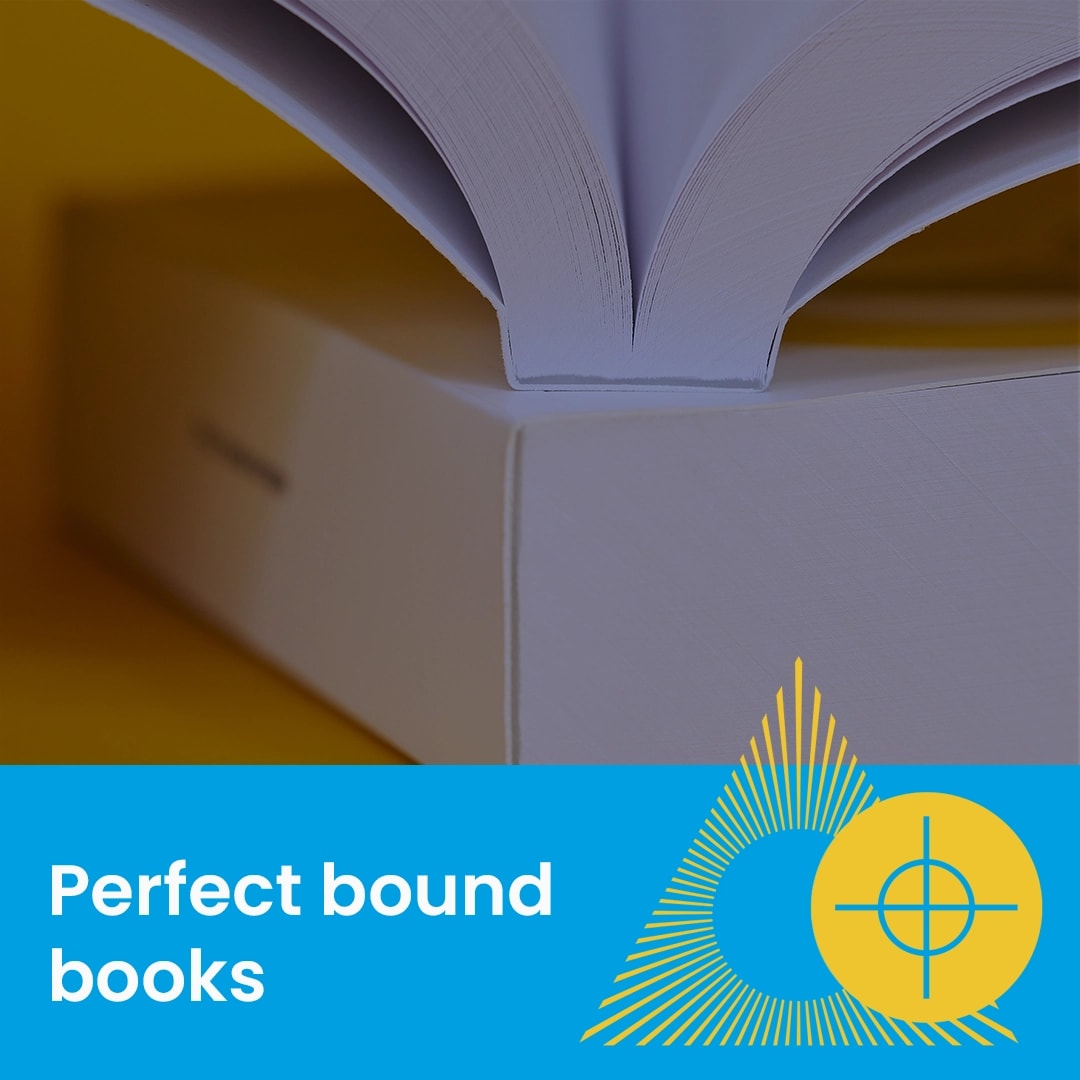
Printed sheets are gathered into a block, glued along the spine with adhesive, then secured within a wraparound cover. Commonly used for paperback books, catalogues and magazines with higher page counts.
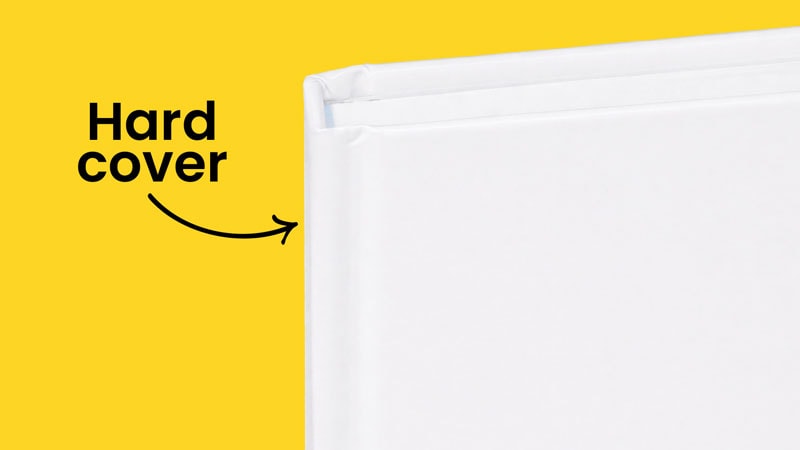
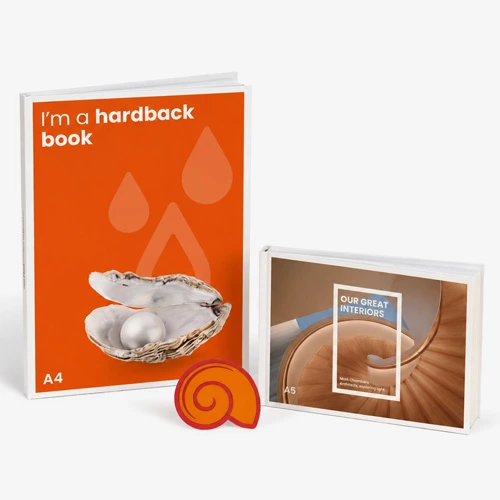
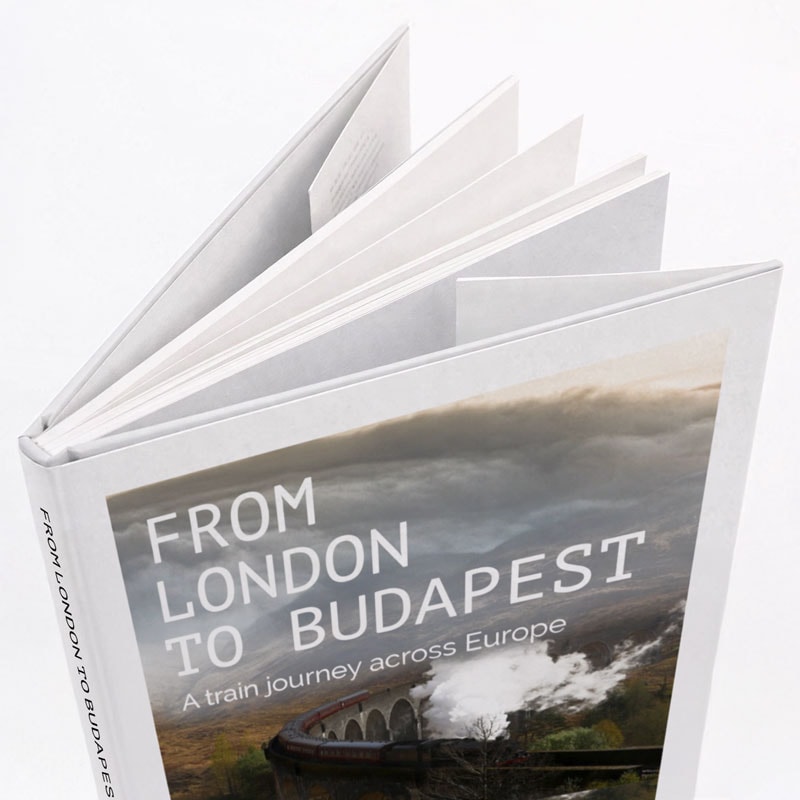
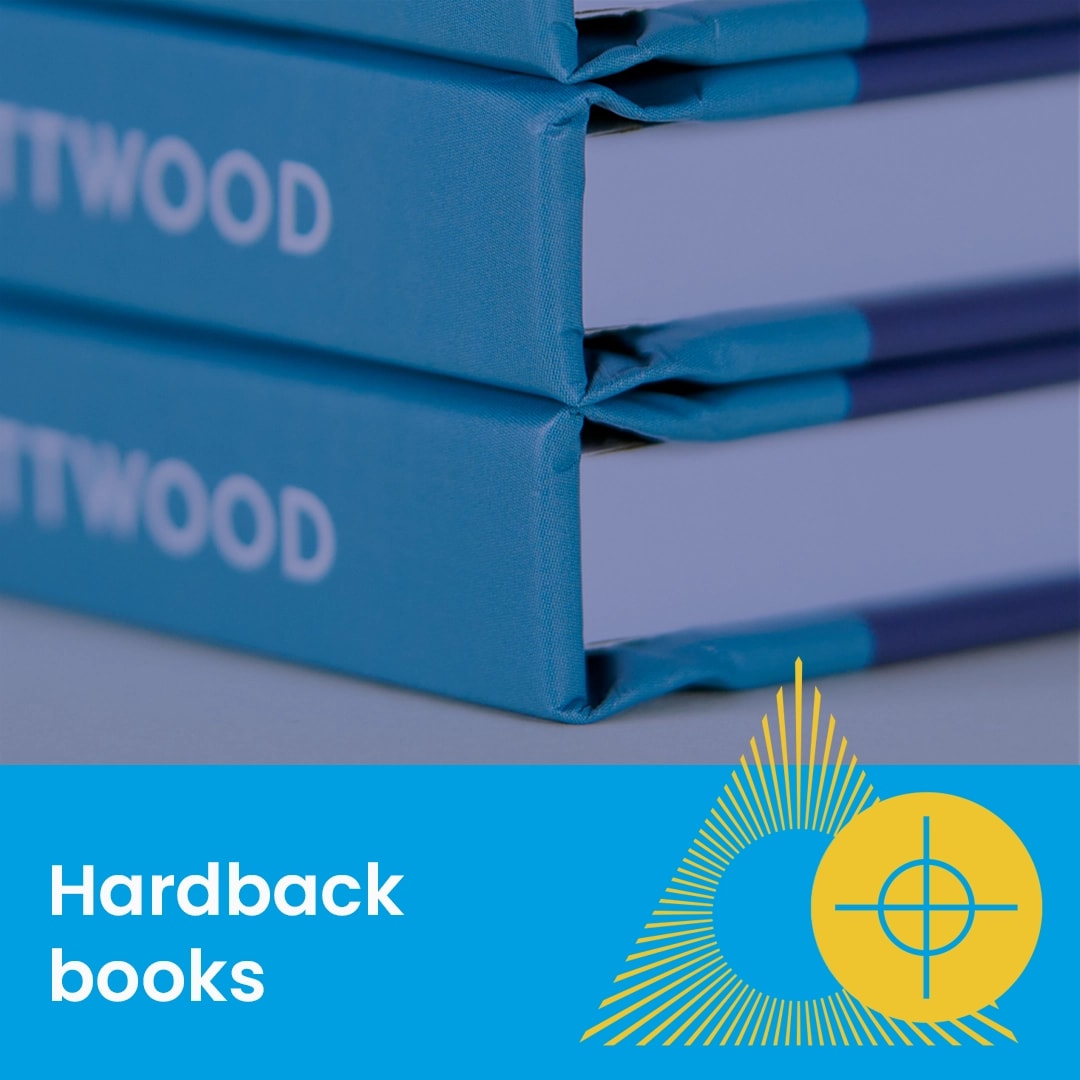
Printed pages are gathered into a block, glued along the spine with adhesive, then secured into a rigid board cover. Commonly used for hardback novels, coffee table books and premium publications.
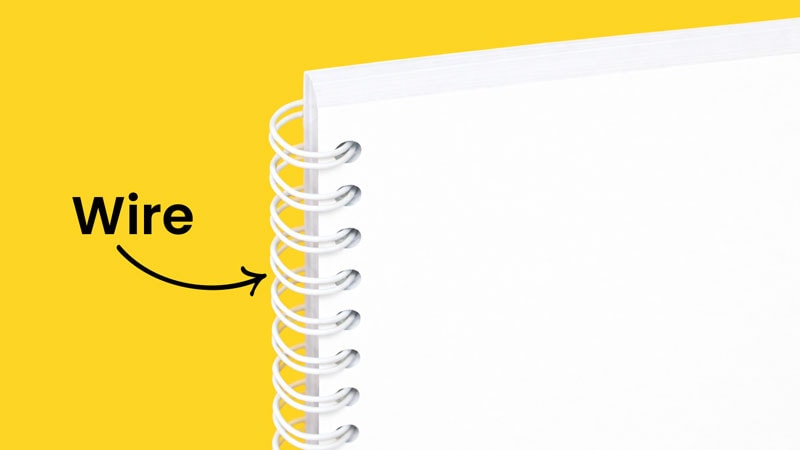
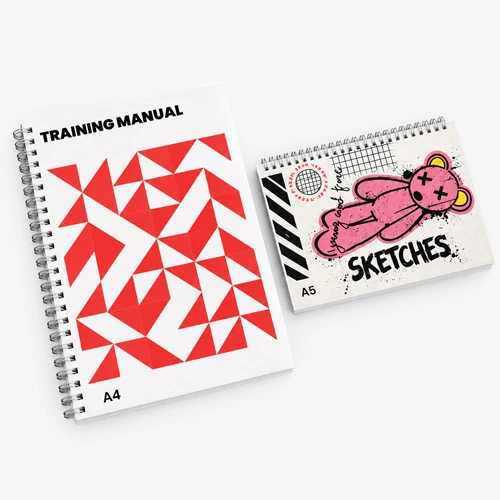
Printed sheets are gathered into a block, punched along one edge, then bound together using a metal wire. Commonly used for manuals, notebooks and presentations that need to lie flat.
Printed pages are glued back to back to form thick leaves that open completely flat, then fixed into a rigid board cover. Commonly used for photography books and high-end publications.
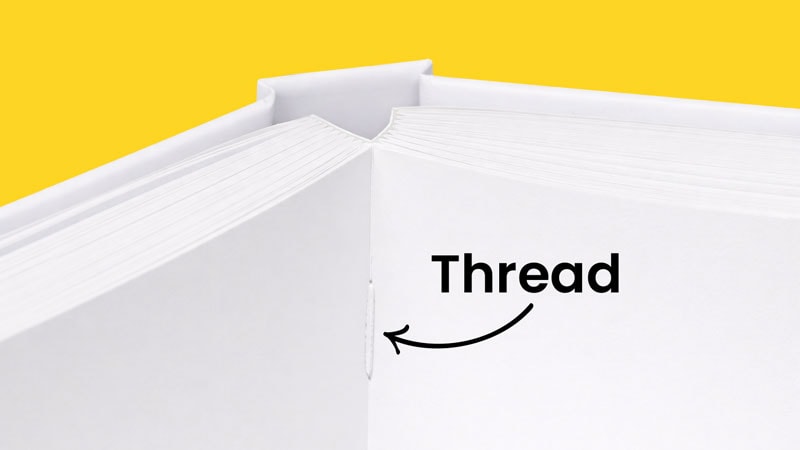
Printed pages are gathered into folded sections, then sewn together with thread to form a strong block that is inserted into a cover. Commonly used for books and publications where durability and long term use are required.
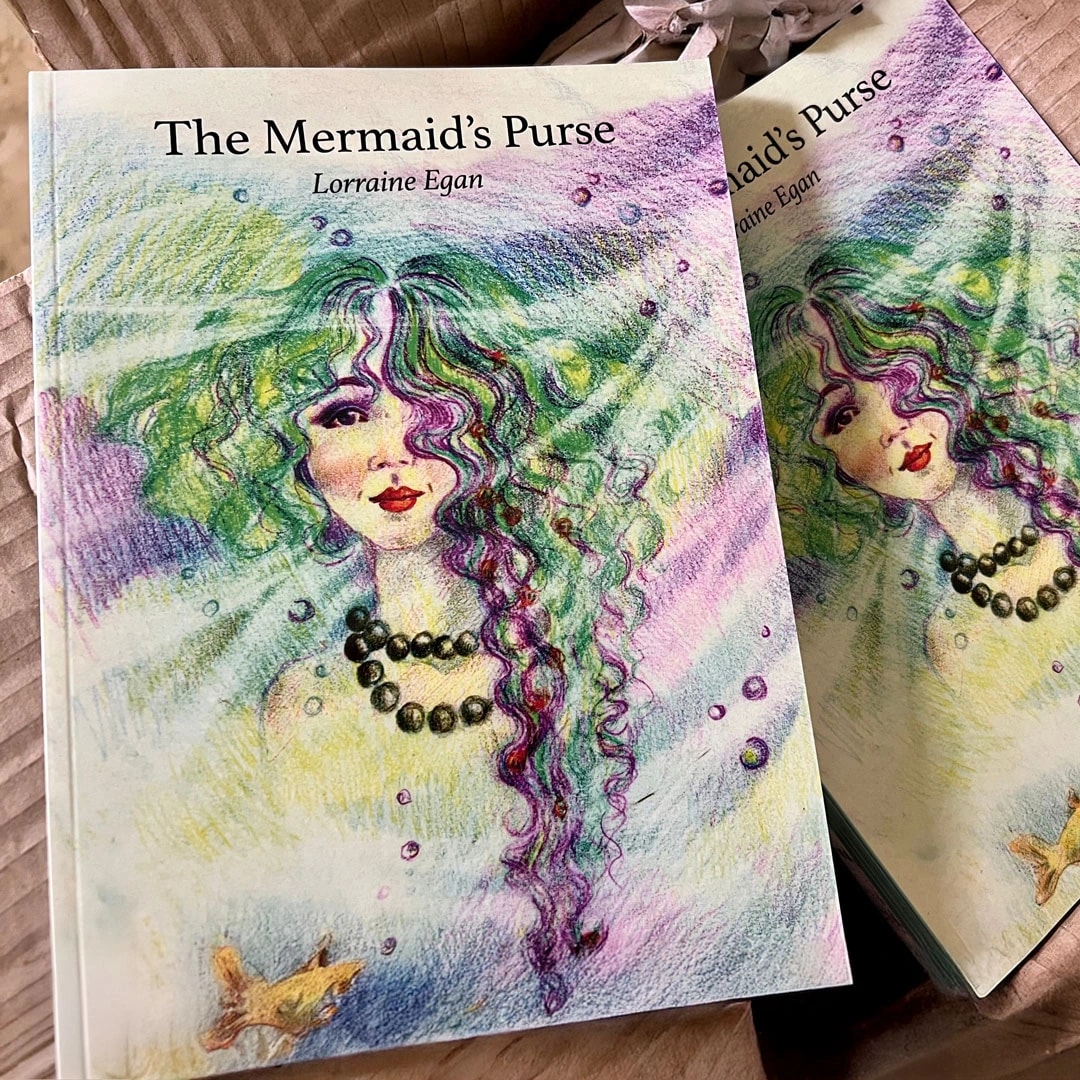
Illustrator Lorraine Egan selected perfect bound book printing for her title The Mermaid’s Purse, to achieve a clean, polished finish ready for reading.
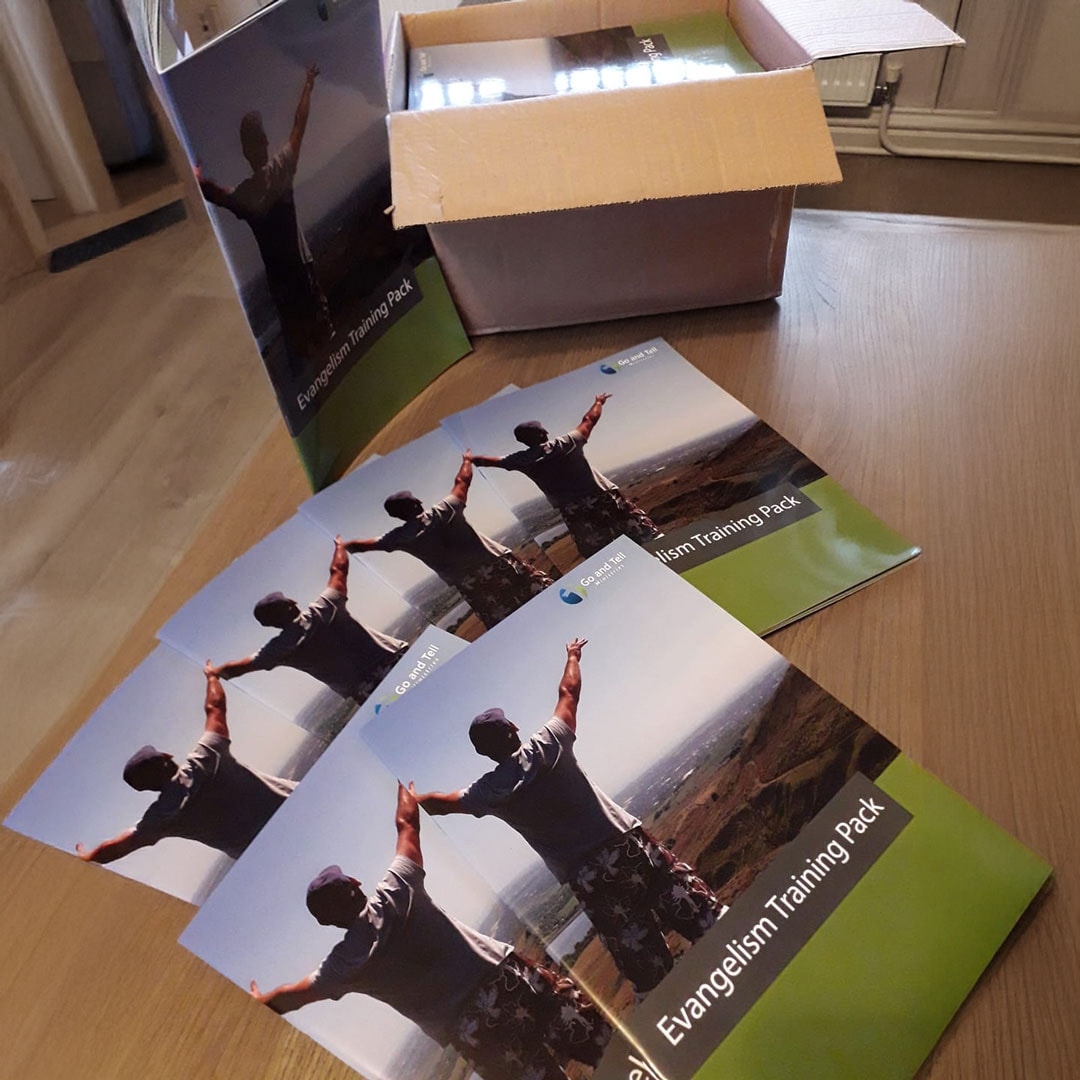
Go and Tell opted for stitched book printing as a simple, affordable solution for their printed training materials.
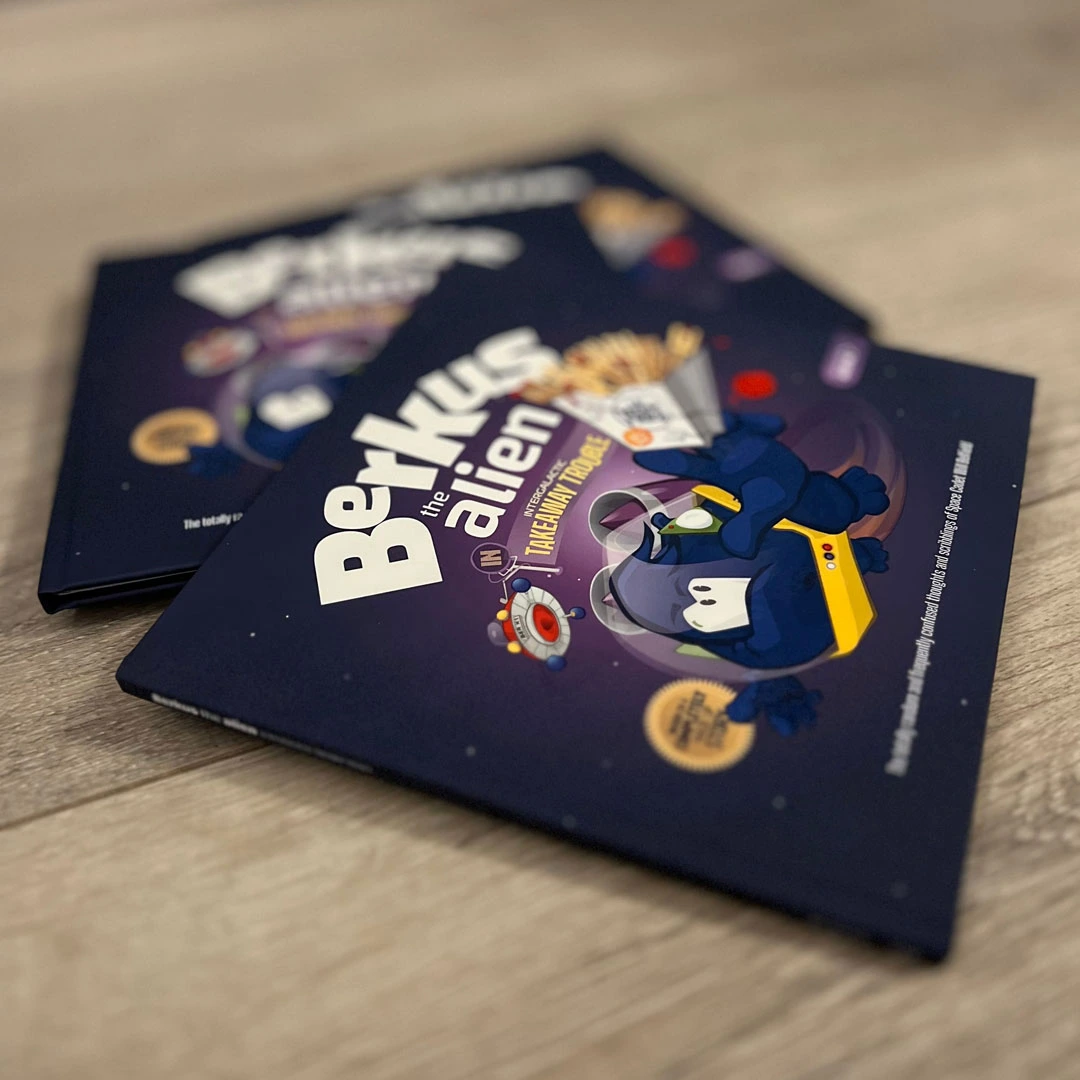
Author Will Belfield chose hardback book printing for his children’s title Berkus the Alien, creating a durable book, well-suited to repeated handling by younger readers.
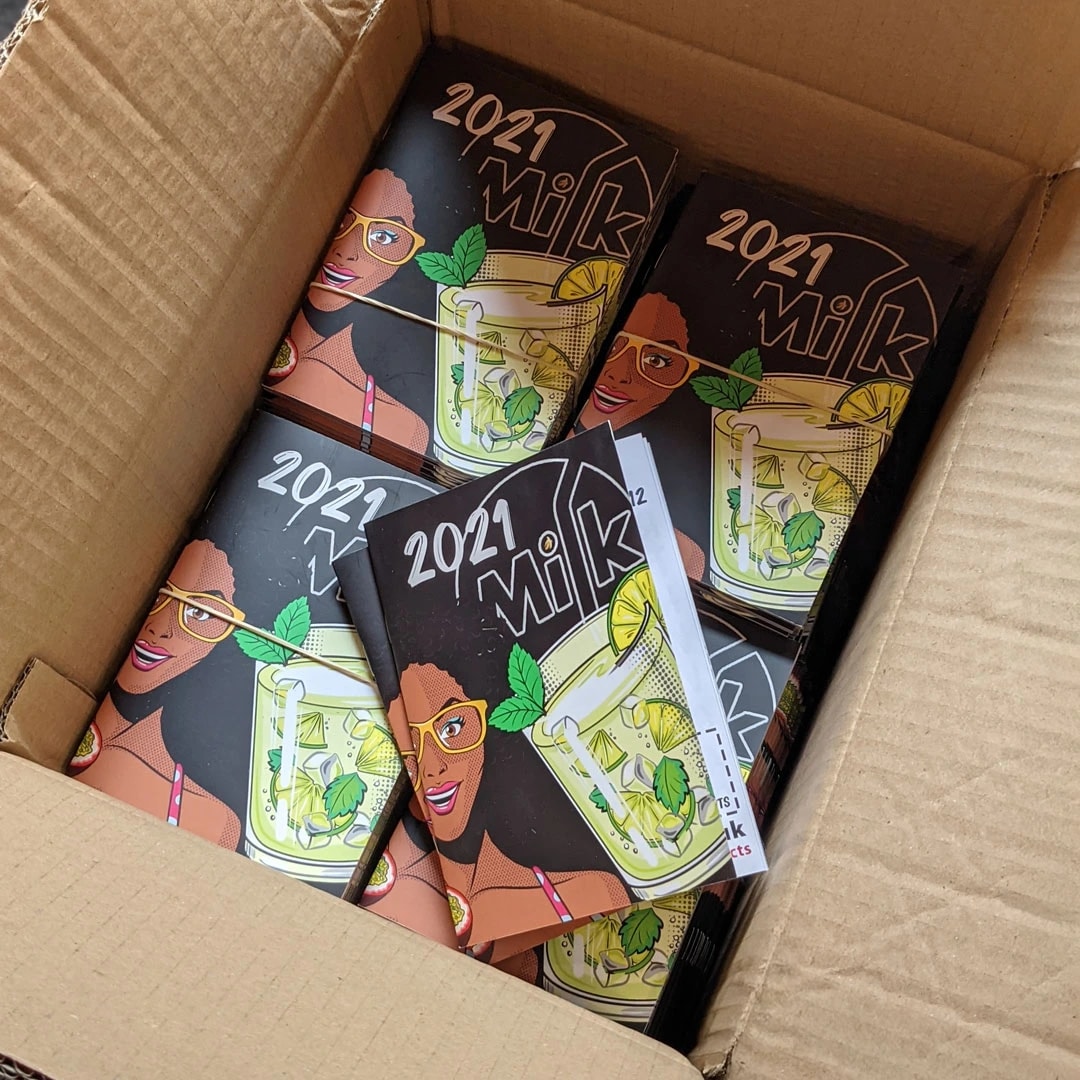
Milk, an independent cocktail bar based in Reading, used stitched book printing as a cost-effective solution for printed marketing materials.
£136.00
£51.01
£117.25
£85.13
£61.61
£47.20
£23.52
£55.48