Prices
Loyalty cards are simple, familiar and easy to use, which is exactly why they still work for so many businesses.
For cafes, salons, barbers, bakeries, florists, shops, gyms and market traders, a printed loyalty card gives customers a physical reminder to come back. It can sit in a purse, wallet, phone case or on a noticeboard, keeping your business visible after the first visit.
The best loyalty cards don’t need to be complicated. They need a clear reward, a practical layout, the right material and artwork that’s been set up properly for print.
Whether you’re creating stamp cards for a coffee shop, reward cards for a salon or repeat purchase cards for a retail counter, here’s how to design and print loyalty cards that customers are more likely to keep and use.
A loyalty card is a printed card that rewards customers for repeat visits, purchases or bookings.
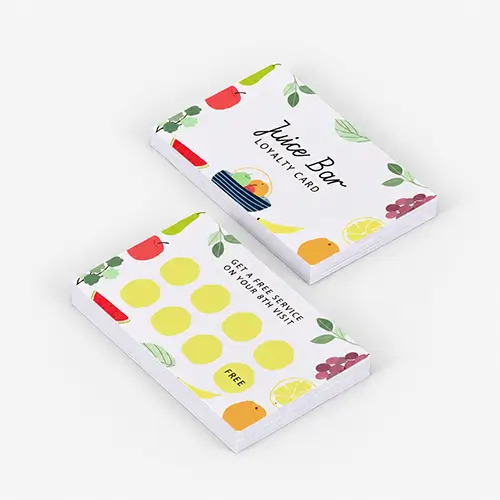
The most common format is a stamp card. A customer collects a stamp each time they buy, visit or book. Once the card is complete, they receive a reward, such as a free drink, a discount, a product upgrade or money off their next order.
Loyalty cards can also be used for appointments, referrals, seasonal promotions, event visits or product collections. For small businesses, they’re a practical way to encourage repeat customers without needing a complex digital system.
A printed loyalty card works because it’s visible, simple and easy to hand over at the right moment.
When a customer pays at the till, collects an order, books their next appointment or receives a package, the card can be given to them straight away. There’s no app to download and no form to fill in. The customer can understand the reward in seconds.
That physical reminder matters. A card in a wallet or purse can bring the business back to mind when someone is deciding where to buy coffee, book a haircut, pick up lunch or order from again.
Printed loyalty cards also give your brand another touchpoint. The design, paper, finish and wording all help shape how professional the business feels.
Before you design the card, decide what the customer is working towards.
The reward should feel achievable, easy to understand and worth coming back for. If the offer is too vague or takes too long to complete, customers may not feel motivated to use it.
For example, a cafe could offer a free hot drink after nine purchases. A salon could offer money off after five appointments. A florist could offer a discount after three bouquet orders. A bakery could offer a free treat after a set number of visits.
Keep the wording direct. Customers should know what they need to do, how many times they need to do it and what they’ll receive at the end.
A strong loyalty card message might be:
If there are terms, keep them short and place them on the back of the card. Long terms can make the card feel harder to use.
The front of a loyalty card should do three things: show the brand, explain the reward and make the card feel worth keeping.
Include your logo, business name and a clear reward message. If the card is for a specific campaign, you can include a short line such as coffee club, stamp card, treat card, rewards card or VIP card.
Don’t overcrowd the front. Loyalty cards are small, so every element needs space to breathe. A clean front with strong branding will usually look more professional than a design trying to include everything at once.
If the card is for a cafe, bakery or takeaway, food photography, illustration or a simple pattern can work well. For salons, clinics or premium services, a softer, more minimal design may feel more appropriate. For independent retailers, the card can reflect the look and feel of the shop, packaging or brand colours.
The back of the card is where the card needs to work hard.
This is where you’ll usually place the stamp boxes, reward reminder, terms, contact details and any useful next step.
Leave enough space between stamp boxes so they can be marked clearly. If the boxes are too small or too close together, the card can start to look messy after a few uses.
You could include stamp boxes, a short reminder of the reward, an expiry date if needed, your website or booking link, a social handle, a QR code, brief terms and a staff use area if needed.
A QR code can be useful if you want customers to book online, view a menu, follow your social page or visit a landing page. Make sure it’s large enough to scan and always test it before sending the artwork to print.
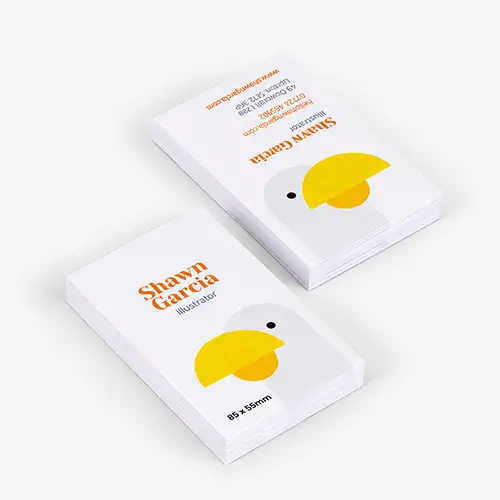
A standard loyalty card size is 85 x 55mm, the same as a typical UK business card. This size works well because it fits neatly into wallets, purses, card holders and till drawers.
That familiar size also makes it easier for customers to keep the card. If a card is too large, it may be left behind. If it’s too small, stamp boxes and text can become harder to read.
Landscape layouts work well for traditional stamp cards because there’s often more horizontal space for boxes. Portrait layouts can feel more distinctive and may suit simpler reward designs or appointment style layouts.
For most loyalty cards, double sided print is the stronger option.
The front can focus on branding and the main reward message, while the back can hold the stamp area, terms and contact details. This keeps the card clearer and more professional.
Single sided print can still work for very simple campaigns, especially if the card only needs a few stamp boxes and a short message. However, if you’re including a logo, reward, boxes, contact details and QR code, double sided print will give the design more room.
Paper choice matters because loyalty cards are handled, stamped, written on and kept over time.
Uncoated paper is often the practical choice for traditional stamp cards. It has a natural matt finish and is suitable for stamping and writing with ballpoint or biro pens. This makes it useful when staff need to mark the card quickly at the counter.
Silk paper gives the card a smoother finish with a slight sheen. It can make colours and branding feel more polished, but if the card needs to be stamped or written on, check how your stamp, pen or ink works with the finish before placing a larger order.
For a sturdier feel, 400gsm card gives loyalty cards a more substantial finish. It helps the card feel less throwaway and more in line with the rest of your printed brand materials.
Lamination can add protection and change how the card feels, but it needs to suit the way the card will be used.
Matt lamination gives a smooth, softer finish and can help the design feel more refined. Gloss lamination adds shine and can make colours feel brighter. Soft touch lamination adds a more premium feel with a velvet like texture.
However, if the card needs to be stamped or written on, make sure the area being marked is suitable. A fully laminated card may not be the best choice for every stamp based design, especially if the ink needs to dry quickly.
One option is to keep the design simple and choose an uncoated stock for stamp friendly use. Another is to use lamination more selectively where the design allows.
Special finishes can help a loyalty card feel more premium, especially for beauty, hospitality, retail and membership style designs.
Spot UV can add a clear gloss highlight to selected parts of the design, such as a logo, pattern or headline. Gold or silver foil can add a metallic finish to key details, which can work well for salons, spas, premium cafes, restaurants, florists and boutique retailers.
These finishes are best used with restraint. A small highlight can look more polished than covering too much of the card. Think about the detail you want customers to notice first, then use the finish to draw attention to it.
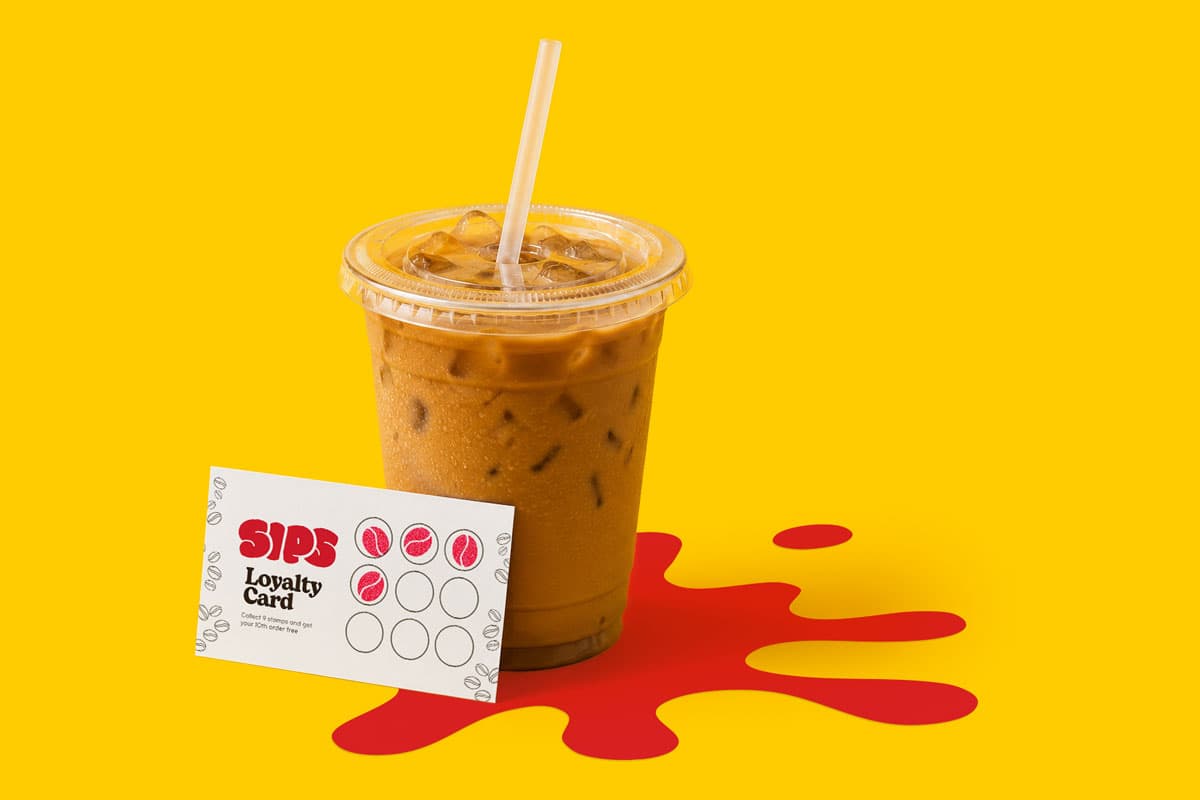
For cafes and coffee shops, a stamp card is the obvious choice. Keep the reward simple, such as buy nine drinks and get the tenth free. Make sure the stamp boxes are large enough for busy till use and include your social handle or menu QR code on the back.
For salons and barbers, loyalty cards can encourage repeat bookings. You could reward a set number of appointments, treatments or product purchases. A cleaner design, matt finish or soft touch feel can help match a more premium service.
For bakeries and takeaways, loyalty cards can support lunchtime offers, seasonal treats or repeat orders. Use clear product led wording, strong brand colour and easy stamp spacing so staff can mark cards quickly.
For florists, loyalty cards can encourage repeat seasonal orders, bouquet purchases or gift buying. A softer design with space for terms can work well, especially around occasions such as Valentine’s Day, Mother’s Day, weddings and Christmas.
For gyms, studios and wellness businesses, loyalty cards can reward class attendance, referrals or retail purchases. Include a QR code to book classes or view timetables.
For independent retailers, loyalty cards can support repeat spend, product collections or customer referrals. The card can also work as a small brand piece that sits alongside packaging, bags, stickers and thank you cards.
For market traders and pop ups, loyalty cards are useful because they’re quick to hand out and easy for customers to keep. Add your social handle, website or next market date so customers can find you again.
There’s no single perfect number, but the card should feel achievable.
Five or six boxes can work well for higher value purchases or services, such as treatments, appointments or larger retail orders. Eight to ten boxes can work well for lower value, more frequent purchases, such as coffee, sandwiches or baked goods.
The reward should match the effort. If customers need to visit ten times, the final reward needs to feel worthwhile. If they only need to visit three times, a smaller discount or upgrade may be enough.
A useful design tactic is to include the first stamp when the card is handed out. This can make the customer feel like they’ve already started and gives them a reason to keep going.
Keep the message short. The customer should understand the reward in seconds.
Make the stamp boxes practical. They need to be large enough for a stamp, tick or signature.
Keep text readable. Small print can be difficult to read on a card, especially if the background is busy.
Use both sides well. Put the brand and reward on the front, then use the back for stamps, terms and contact details.
Leave space around the edges. Important details should not sit too close to the trim line.
Test your QR code. Scan it from a printed proof if possible, not just from the screen.
Match your wider brand. Loyalty cards should feel connected to your menus, flyers, packaging, appointment cards, stickers or business cards.
A good loyalty card design still needs to be set up correctly for print.
Use the correct finished size and include bleed so background colours, images or patterns can print right to the edge. Keep important text, logos, QR codes and stamp boxes inside the safe area, so nothing important is too close to where the card will be trimmed.
Images should be high resolution, ideally 300dpi or higher. Colours should be set up for print, usually in CMYK where possible. Fonts should be embedded or converted to outlines before creating your final PDF.
Export your file as a print ready PDF and check it carefully before uploading. Look for spelling mistakes, outdated offers, incorrect QR codes, missing terms, low resolution images and anything too close to the edge.
If you’re designing in Canva, use a print sized template where possible and export as PDF Print with crop marks and bleed selected. WTTB’s Canva Hub can help you prepare Canva artwork for professional print.
Loyalty cards work best when they’re part of a wider customer journey.
A cafe might hand one out with every first drink order, include one in a takeaway bag and mention the reward on a counter sign. A salon might give one to new customers after their first appointment and include booking details on the back. An online seller might place one inside each parcel to encourage repeat orders.
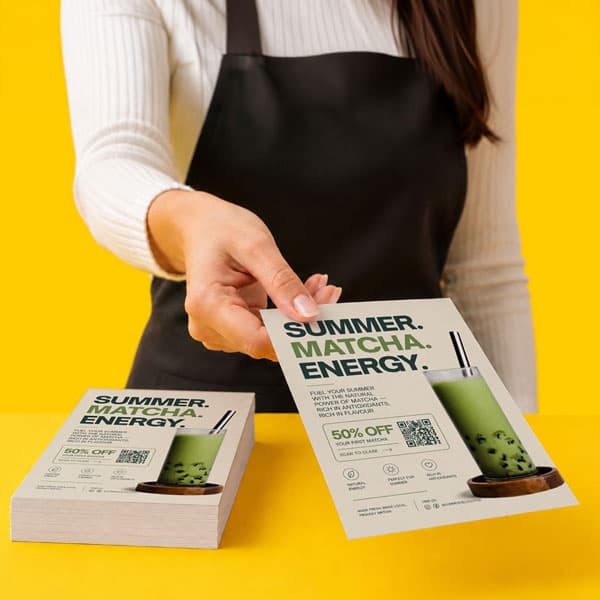
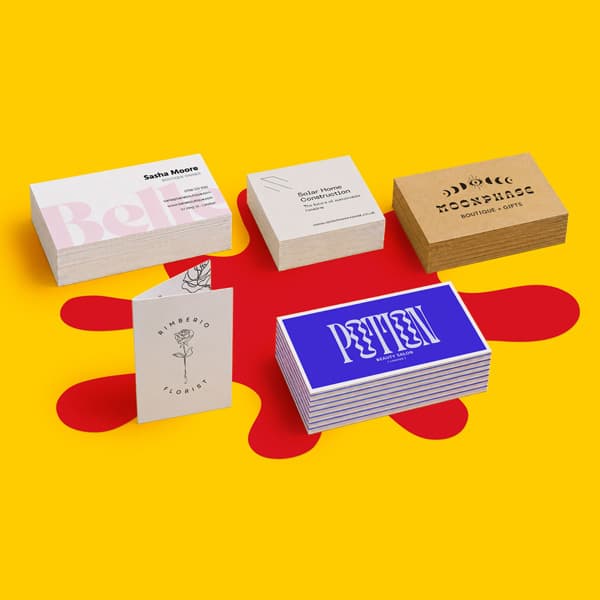
Loyalty cards can also work alongside Business Cards, Appointment Cards, flyers, menus, stickers, packaging inserts and thank you cards. The more consistent your printed materials feel, the easier it is for customers to recognise and remember your brand.
Before ordering loyalty cards, check that the reward is clear, the stamp boxes are big enough, the card includes your logo and brand name, and the terms are short and easy to understand.
You should also check that the QR code works, the artwork includes bleed and safe areas, the paper is suitable for stamping or writing, and the finish matches how the card will be used.
A few small checks before print can prevent wasted cards and help the finished piece feel more professional.
A loyalty card might be small, but it can have a useful role in how customers remember, revisit and reconnect with your business.
The strongest cards combine a clear reward with practical design, durable material and print ready artwork. Choose a format that’s easy to keep, a stock that works for stamping or writing, and a finish that suits your brand.
Explore WTTB’s Loyalty Cards to create printed cards for your business, or visit the Print Materials Hub and Support Guides for help choosing paper, finishes and artwork setup.
Posted on April 1, 2026 by Ben Riches
Related topics:
£17.26
£18.60
£16.71