Prices
Peak season can bring a welcome increase in marketplace orders, but it can also expose every slow process, missing packaging item and unprepared design in your online shop.
Christmas is the largest trading period for many marketplace sellers. In November 2025, online purchases accounted for 32.3 per cent of total retail sales in Great Britain, showing how much seasonal shopping now takes place away from physical stores.
However, Christmas isn’t the only peak worth preparing for. Personalised gift sellers may see demand rise around Valentine’s Day, Mother’s Day and Father’s Day, while wedding stationery businesses often become busier ahead of the spring and summer wedding season. Easter, graduation, back to school, Halloween and major events can all create valuable sales periods for different marketplace businesses.
Effective peak season planning isn’t about ordering as much stock as possible. It’s about understanding when your customers are likely to buy, deciding what can be prepared in advance and making sure every order can move smoothly from your marketplace listing to the customer.
A general retail calendar can be a useful starting point when planning the year ahead. Our guide to national awareness days and celebrations can help you identify key dates and seasonal opportunities that are relevant to your products, rather than trying to build campaigns around every event in the calendar.
Your own order history will usually be even more useful. Look back at when demand began to rise, rather than only focusing on your busiest week. If Christmas sales peaked in November, for example, customers may have started searching and ordering several weeks earlier.
It’s also worth reviewing which products performed well, which designs were frequently personalised and which items created the most work. A product that sold in high numbers but required constant artwork changes may need a different process from a standard design that could be prepared ahead of time.
A new season doesn’t always require an entirely new product range.
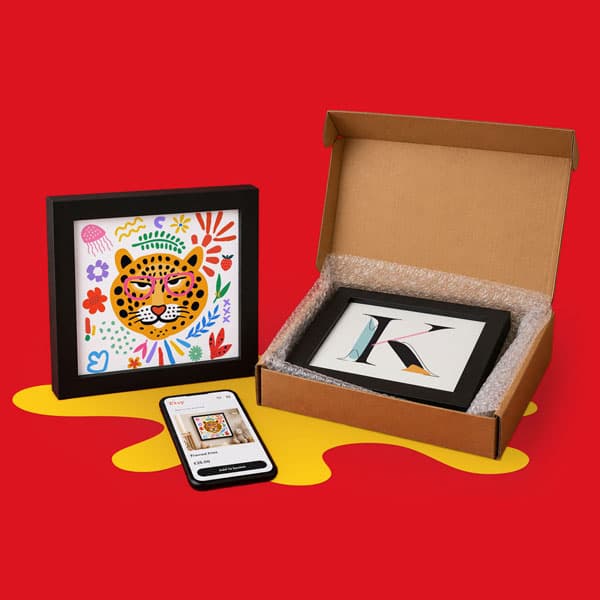
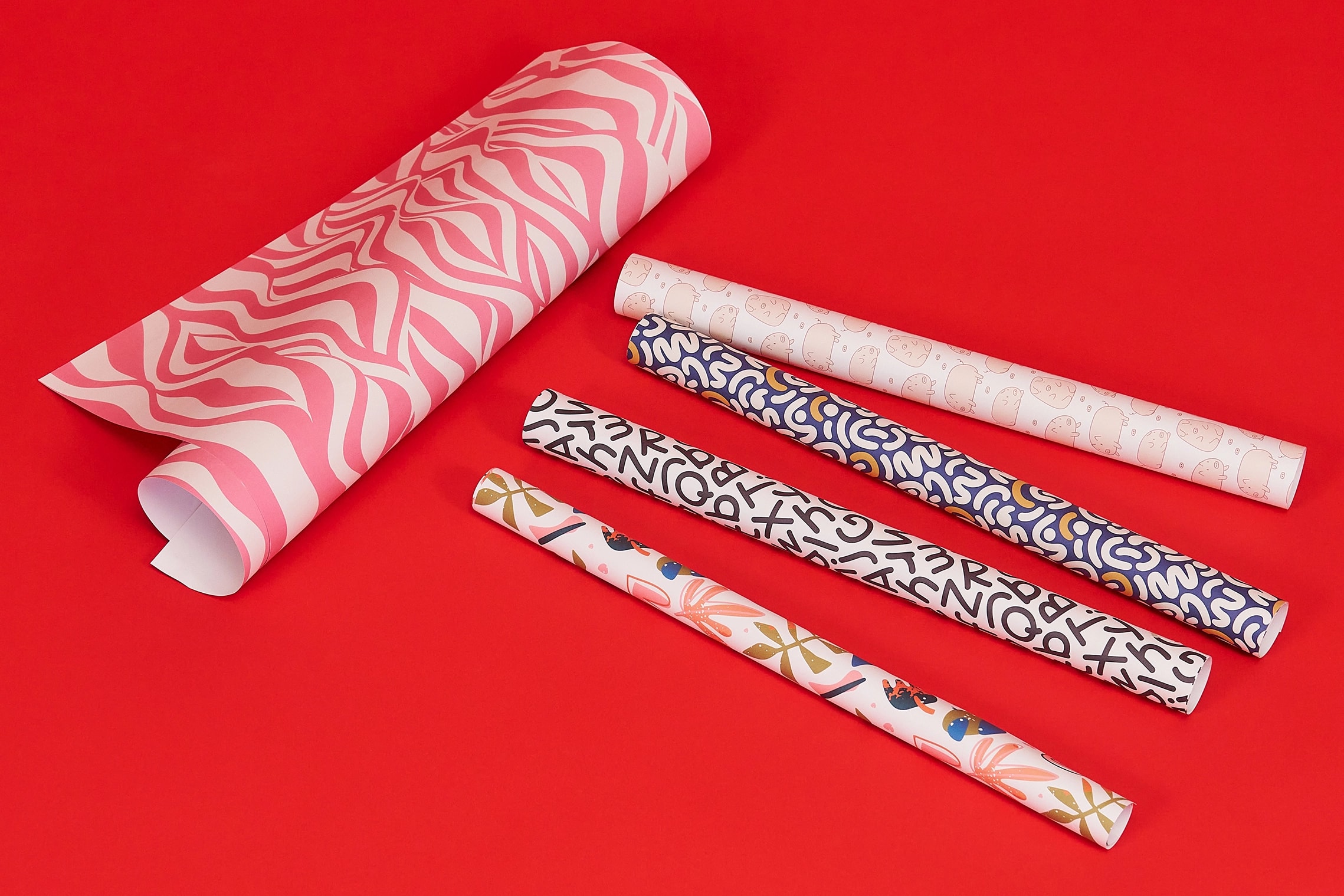
Your existing bestsellers can provide a stronger starting point than a large collection of untested ideas. A popular illustration might be adapted into a Christmas card, gift tag, sticker or wrapping paper design. An established notebook or print could be offered in a seasonal colour or personalised format.
This allows you to expand your range without starting from nothing. It can also create a more connected collection, making it easier to photograph, promote and package products together.
New ideas still have a place, but introducing them alongside proven products can help reduce the amount of stock and artwork you’re trying to manage at once.
Not every part of your operation needs to be handled in the same way. Some items can be finalised well ahead of the season, while others need to remain flexible.
Area | Prepare in advance | Keep flexible |
|---|---|---|
Printed products | Proven designs, standard products and frequently ordered sizes | Personalised, dated or experimental products |
Packaging | Logo stickers, thank you cards, care cards and standard labels | Seasonal stickers, campaign inserts and occasion specific gift tags |
Artwork | Approved files, product templates and clearly organised folders | Personalisation fields, customer details and seasonal variations |
Fulfilment | Your packing method, standard delivery route and reorder points | Extra capacity and alternative fulfilment arrangements |
Customer information | Product details, care instructions and standard dispatch messaging | Seasonal deadlines, availability updates and temporary announcements |
Thinking about your shop in these groups can help you concentrate your time and budget where they’ll make the greatest difference.
Preparing products in advance can make fulfilment faster, but it isn’t always the right approach for every item.
Standard designs with dependable demand may be suitable for ordering ahead. Personalised products, dated designs and new additions may be better produced as orders arrive, particularly when demand is difficult to predict.
Previous sales, available storage, production times and cash flow should all inform the decision. Rather than choosing one method for your entire shop, think about which route is most appropriate for each product.
Many WTTB products can be ordered in small quantities, with selected products available from a single copy. This gives marketplace sellers the flexibility to test ideas or fulfil individual orders without committing to large volumes of stock.
A mixed approach can often work well. You might prepare standard greeting cards and packaging materials in advance, while ordering personalised wall art or notebooks only when a customer completes their purchase.
Seasonal packaging doesn’t have to mean redesigning everything whenever a new occasion approaches.
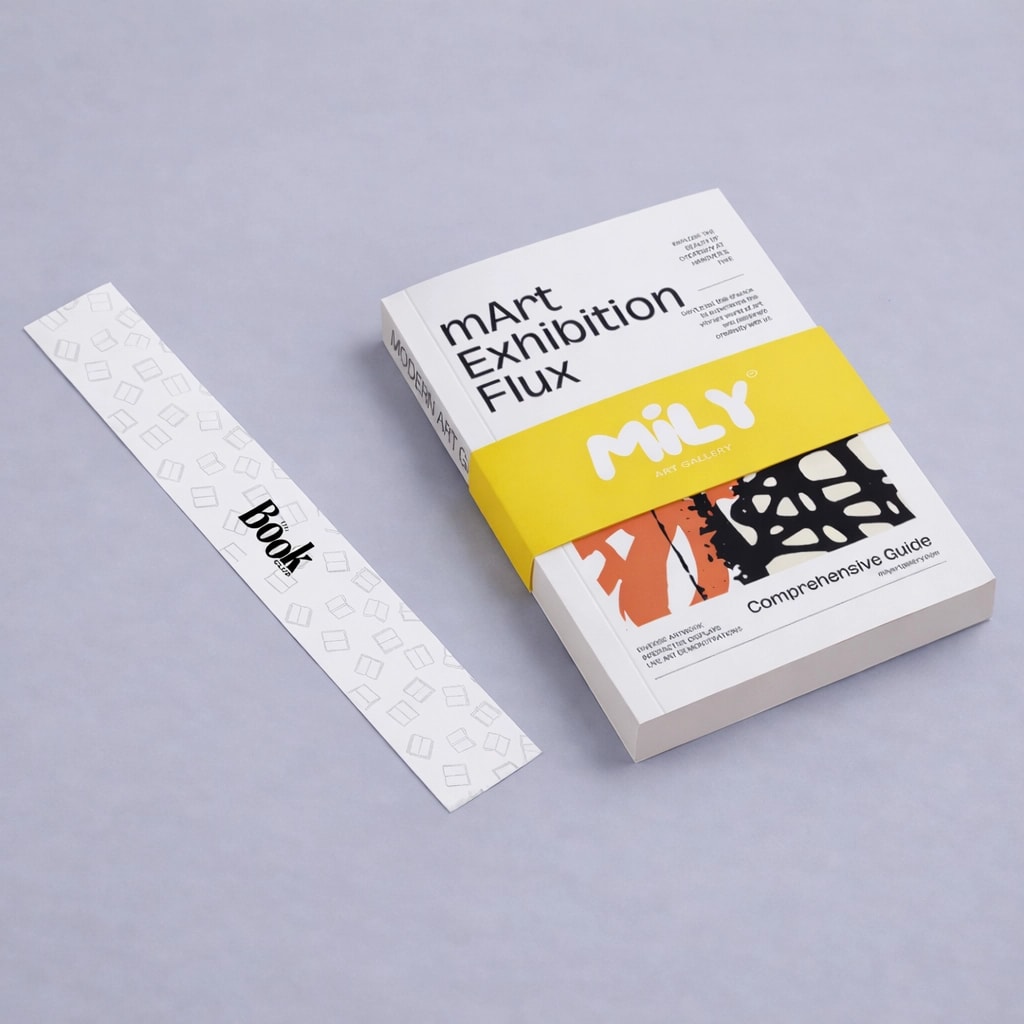
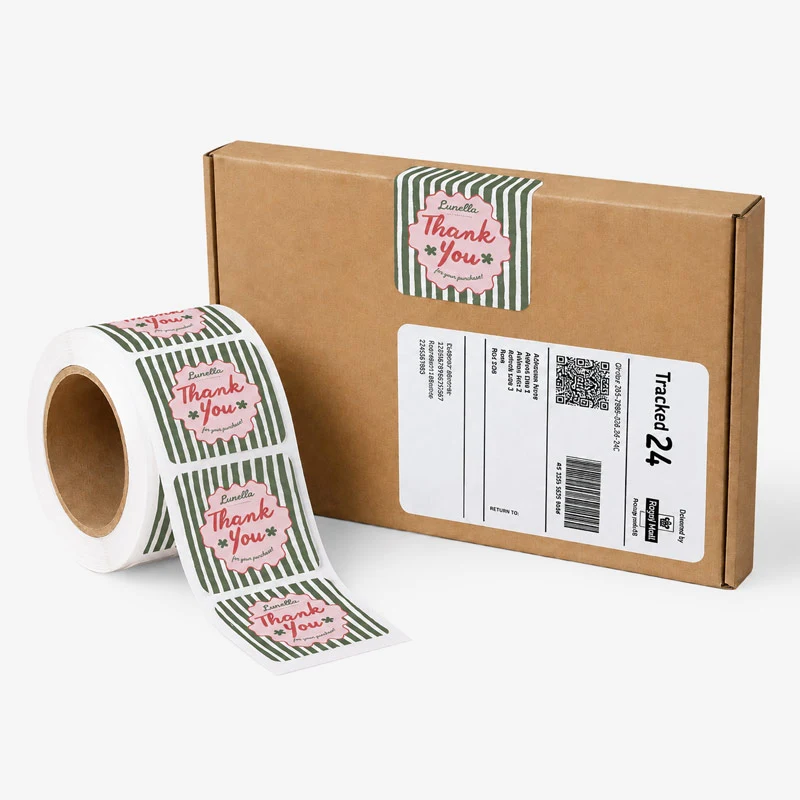
A more manageable system begins with a core set of branded materials that can be used throughout the year. This could include logo stickers, thank you cards, care cards and labels.
A smaller seasonal layer can then be added when needed. A Christmas sticker, Valentine’s Day gift tag or summer themed insert can change the feel of an order without replacing the rest of your packaging.
Product specific materials can form a third layer. These might include washing instructions, size labels, backing cards, storage guidance or information about how an item was made.
Separating packaging in this way makes it easier to update individual elements while keeping the overall customer experience consistent. It can also help prevent unused seasonal packaging from building up once a peak has passed.
Some marketplace sellers prefer to receive every product themselves so they can check, package and dispatch it. Others use direct fulfilment to reduce the time spent handling individual orders.
With WTTB white label delivery, products can be printed and sent directly to your customer in plain packaging. WTTB branding, invoices, marketing materials and pricing information aren’t included, and tracking details are provided so you can keep your customer informed.
This can be useful for standard products that don’t require additional assembly or branded presentation.
Seller packed fulfilment may be more suitable when you want to combine several products, add gift wrapping or include your own printed materials. Individual branded inserts and packaging slips can’t be added to automated white label orders at the production facility, so these orders would need to be delivered to you first.
You don’t need to use the same fulfilment method for every product. A standard poster might be sent directly to the customer, while a seasonal gift box containing several items could be assembled and dispatched by you.
Busy periods leave less time for correcting artwork, locating files or checking which version belongs to a particular product.
Prepare master files for each design and save them in folders that are easy to navigate. Product name, size, orientation and version should be clear from the file name without needing to open it.
Check that your artwork is set up at the correct dimensions and exported as a print ready PDF. Any personalised areas should be easy to find and edit without affecting the rest of the design.
It’s also worth keeping a clean master version separate from completed customer orders. This reduces the risk of sending a previous customer’s name, date or message to print.
Our Canva Print Hub includes templates and guidance to help sellers prepare artwork at the correct size, with margins and bleed already considered.
Ordering a sample isn’t only about checking print quality. It’s an opportunity to test the whole process before order numbers increase.
Place an order in the same way a customer would. Review the listing, check that personalisation instructions are clear and make sure the correct artwork can be prepared without unnecessary steps.
When the product arrives, pack it using your planned seasonal materials. Check whether the packaging protects the item, how long the process takes and whether the final order reflects the experience promised by your listing.
This test may reveal small issues that would become much more disruptive during a busy week. You may find that an insert doesn’t fit the parcel, a label takes too long to apply or a personalised design requires more customer information than the listing currently collects.
Fixing those details early can make every later order easier to manage.
You don’t want to discover you’ve used your final sticker, envelope or thank you card while preparing an order.
Decide how much of each essential item you normally use and set a point at which it needs to be reordered. Allow for both production time and a reasonable margin for unexpected demand.
Packaging materials will often need different reorder points from printed products. A personalised print may only be ordered once a customer buys it, while standard stickers, cards and labels could be used across almost every parcel.
You should also check stock more frequently as your busiest period approaches. The quantity that would usually last a month may disappear much sooner when order volumes rise.
Peak season planning should include a backup route for the parts of your process that are most vulnerable.
A bestseller might sell more quickly than expected. A packaging item could run out. Personalised artwork may arrive with missing information. A customer might order after your advertised deadline.
You won’t be able to prevent every problem, but you can decide how you’ll respond.
Keep an alternative packaging option available for essential orders. Prepare customer messages explaining what happens when information is missing. Decide whether a similar product could replace an unavailable item and make your final order dates clear before the busiest part of the season.
A simple backup plan can prevent one delayed product or missing material from disrupting the rest of your orders.
Once the peak has passed, make a record of what worked and what needs to change.
Note when orders began increasing, which products sold most frequently and which packaging materials ran low. Record the customer questions you received and any part of fulfilment that took longer than expected.
You may discover that one product generated strong sales but required too much manual work, while another could’ve been stocked in greater quantities. Those lessons can shape your next product range, packaging order and seasonal timetable.
This is what makes the process evergreen. Every busy period provides information that can make the next one easier.
Use this checklist before demand starts to rise:
☐ Identify the busiest periods for your shop
☐ Review your previous bestsellers and seasonal orders
☐ Decide which products can be prepared in advance
☐ Identify which products should remain made to order
☐ Finalise your standard packaging materials
☐ Prepare any seasonal stickers, tags or inserts
☐ Check that your artwork is print ready
☐ Organise master files and personalised templates
☐ Decide how each type of order will be fulfilled
☐ Place a test order and check the full customer journey
☐ Set reorder points for essential stock and packaging
☐ Review delivery wording and final order dates
☐ Prepare responses for missing customer information
☐ Create a backup plan for unexpected demand
☐ Record what worked once the season has finished
Christmas may be the largest opportunity for many marketplace sellers, but the same planning process can support every important period in your business calendar.
The WTTB Marketplace Print Hub brings together printed products, templates, samples and practical resources to help online sellers develop and fulfil their ranges.
With a little preparation, each busy period can feel more manageable. Taking time to organise your products, packaging and fulfilment now can help your shop stay ready for whatever comes next.
Posted on August 6, 2026 by Emma Thompson
Related topics: